Host: Reid Hoffman, Jeff Berman and Bob Safian
Business leaders discuss building companies, testing products, leading teams and growing brands. Episodes include conversations hosted by Reid Hoffman, Jeff Berman and Bob Safian.
Read structured takeaways and actionable insights from Masters of Scale
Masters of Scale
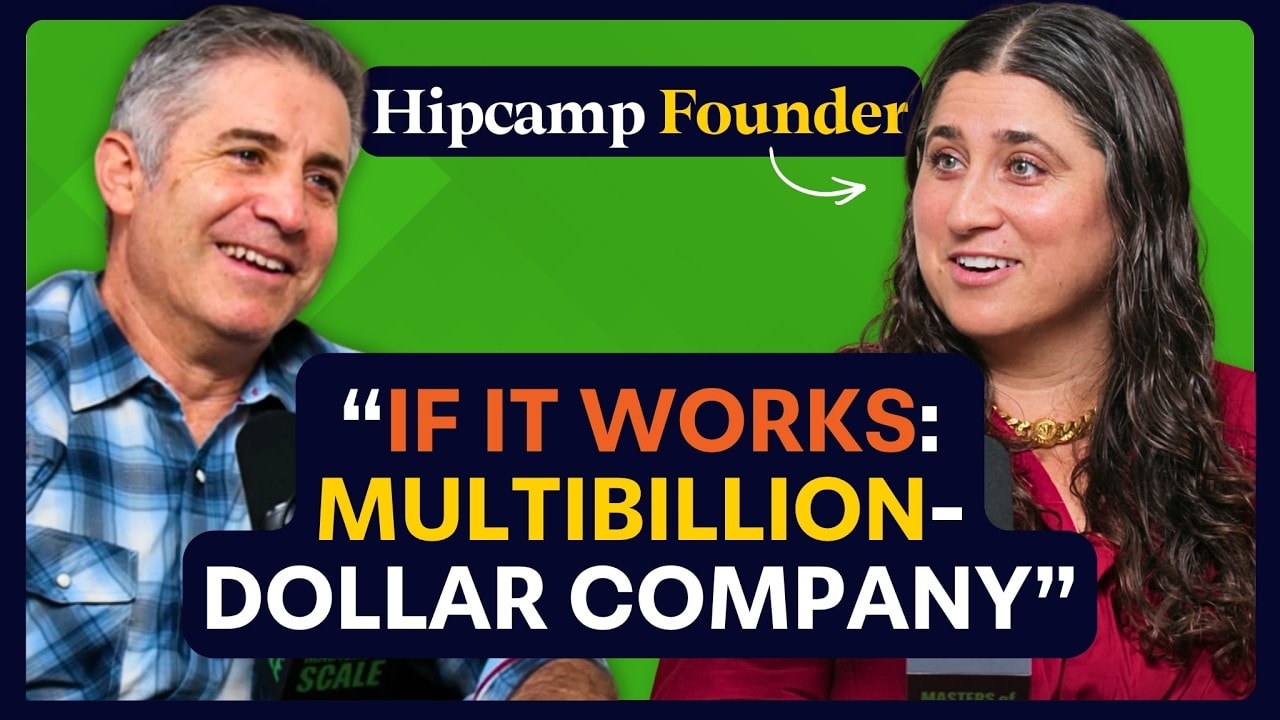
Alyssa Ravasio and Jeff Berman discuss Hipcamp evolving from campground information into a marketplace, identifying a supply shortage and helping landowners host campers. Company outcomes are her retrospective account. Selected business passages only; founder-health, policy and legal-detail discussions omitted. Do not treat the summary as current insurance or regulatory advice. Metadata follows the linked YouTube video. Official transcript is machine-generated; topics are untimed. Source: https://mastersofscale.com/building-a-marketplace-from-scratch/
Masters of Scale
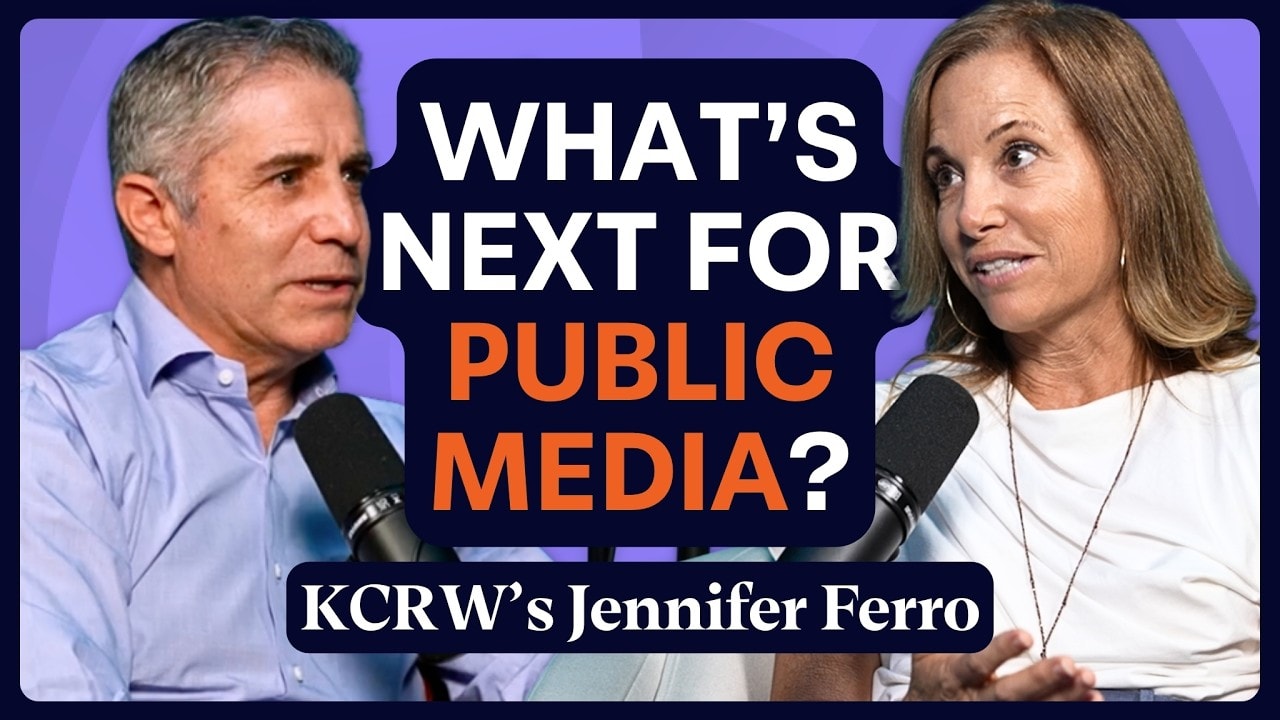
A Masters of Scale conversation, hosted by Jeff Berman, with Jennifer Ferro, president and general manager of KCRW, the Los Angeles public radio station. She talks about her path from paralegal to leading KCRW, what she learned from its founder Ruth Seymour, and why public media should not be boring. Sponsor: Creative Planning, which has a read at the start. The caption covers the whole episode. Part of the conversation covers federal funding for public media; those points are Ferro's views and opinions, summarised here without endorsement.

Masters of Scale
A Masters of Scale interview from August 2026 in which host Jeff Berman talks with MTV co-founder and former Viacom CEO Tom Freston about his memoir, Unplugged. They cover rule-breaking at MTV, his Hindu Kush apparel business and its collapse, hiring people with no television experience, keeping a creative culture as a company grows, Viacom's missed digital moves including a Facebook bid and YouTube, working with Oprah, relationships with talent, and diversity. The last part of the conversation includes Freston's views on current US politics, business culture and shareholder primacy, which are his own opinions and are not covered in detail here. A Masters of Scale Summit promotion plays mid-episode. All claims, figures and recollections are the speakers' own statements, not independently checked. Captions are automatic with errors. Topics are untimed; metadata follows YouTube. Source: https://youtubetotranscript.com/transcript?v=OGwCOOaoqY8
Masters of Scale
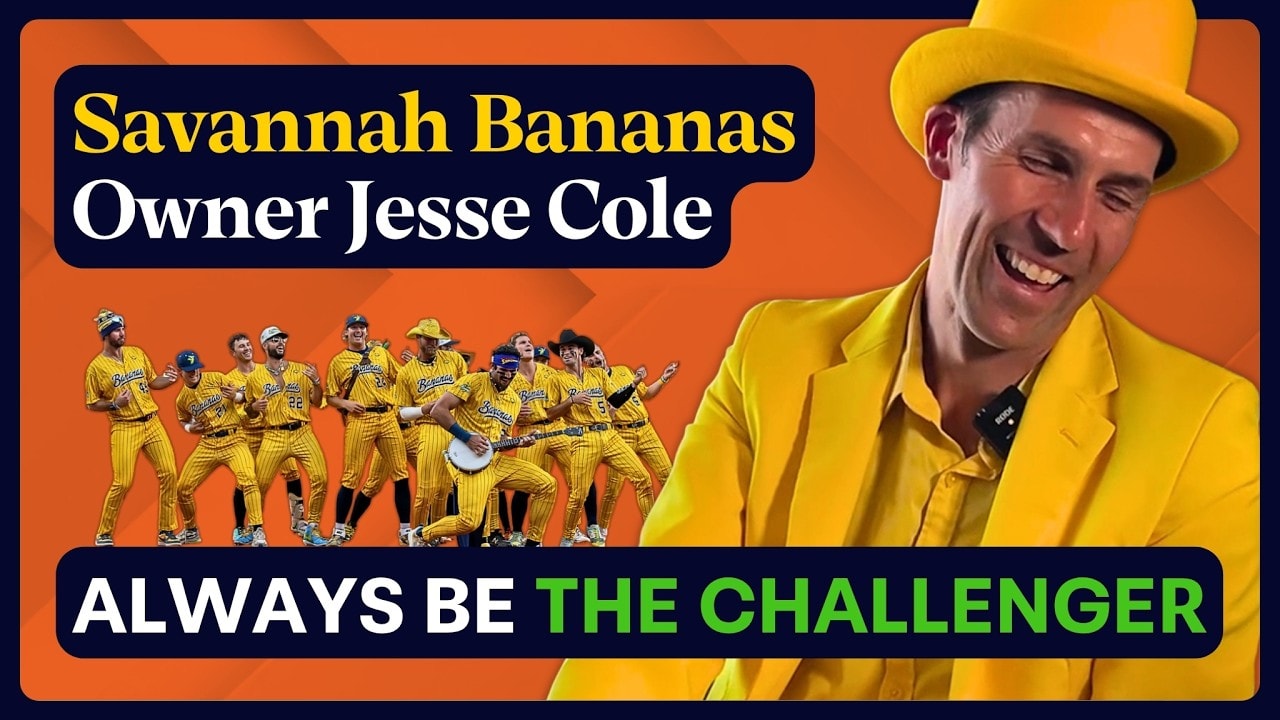
Jesse Cole and Jeff Berman discuss how the Savannah Bananas changed the game around fan behavior, developed new shows and protected long-term loyalty. Cole describes his own business results and marketing approach; these are not independently verified financial claims. Selected customer-experience passages only. Metadata follows the linked YouTube video. Official transcript is machine-generated; topics are untimed. Source: https://mastersofscale.com/always-be-the-challenger/
Masters of Scale
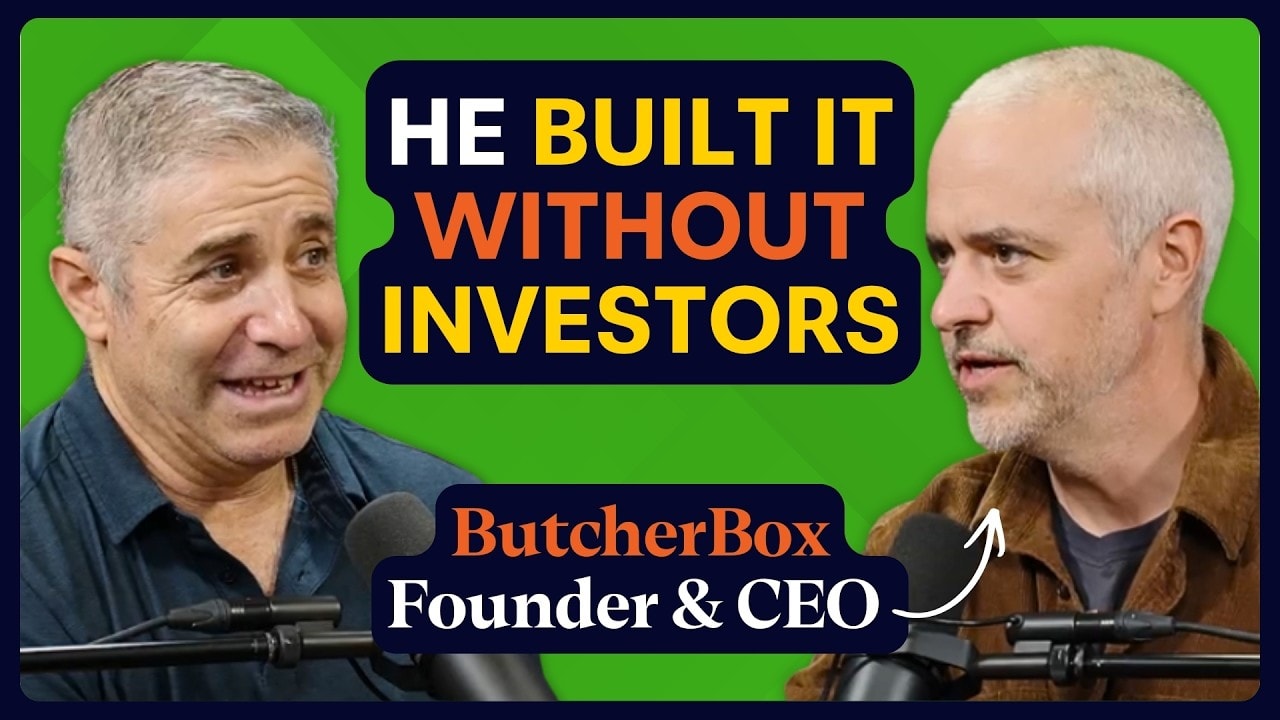
Mike Salguero and Jeff Berman discuss demand testing, team composition, a limited initial product range and customer acquisition at ButcherBox. Business outcomes and prices are his historical account, not current verified figures or investment advice. Selected operating passages only; health and incidental AI comparisons omitted. Metadata follows the linked YouTube video. Official transcript is machine-generated; topic sections are untimed. Source: https://mastersofscale.com/episode/how-to-beef-up-your-business/
Masters of Scale
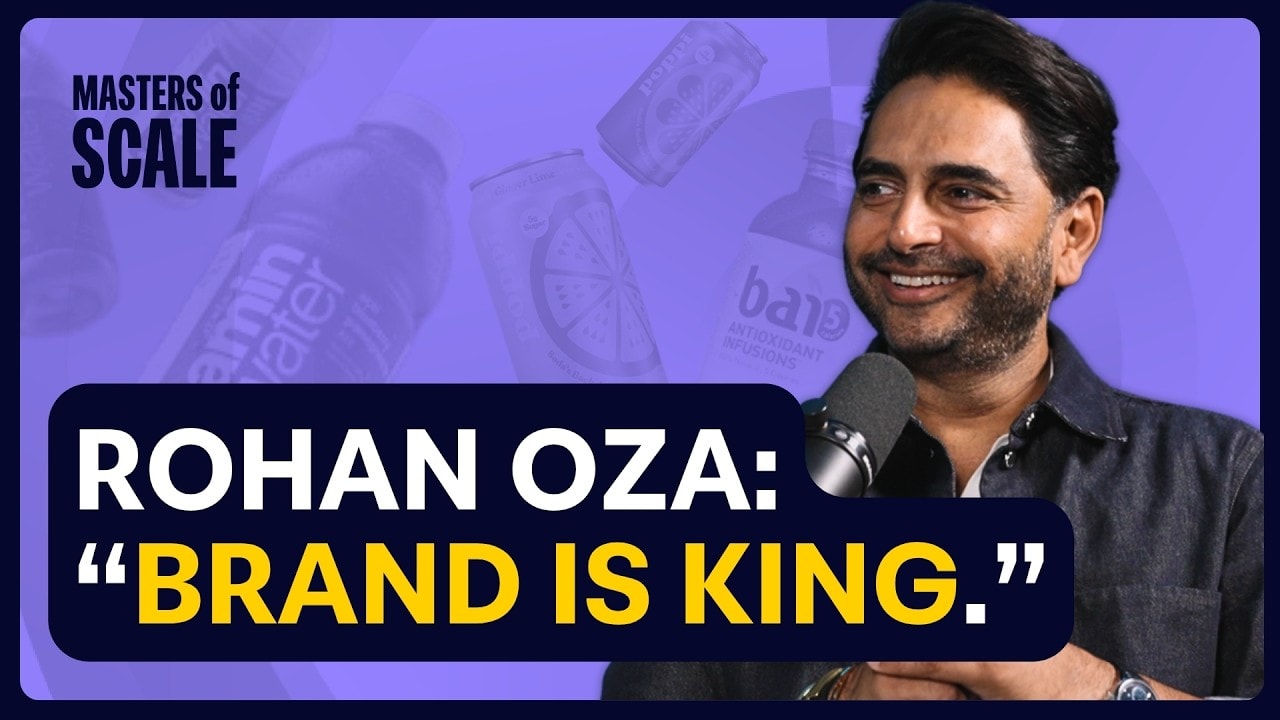
Rohan Oza and Jeff Berman discuss packaging, brand position, celebrity partnerships and hands-on support for consumer companies. Oza gives retrospective examples from Powerade and Vitaminwater. Historical business outcomes are his account, not independently verified investment claims. Selected brand-building passages only; health-product claims omitted. Metadata follows the linked YouTube video. Official transcript is machine-generated; topics are untimed. Source: https://mastersofscale.com/the-playbook-for-building-billion-dollar-consumer-brands/
Masters of Scale
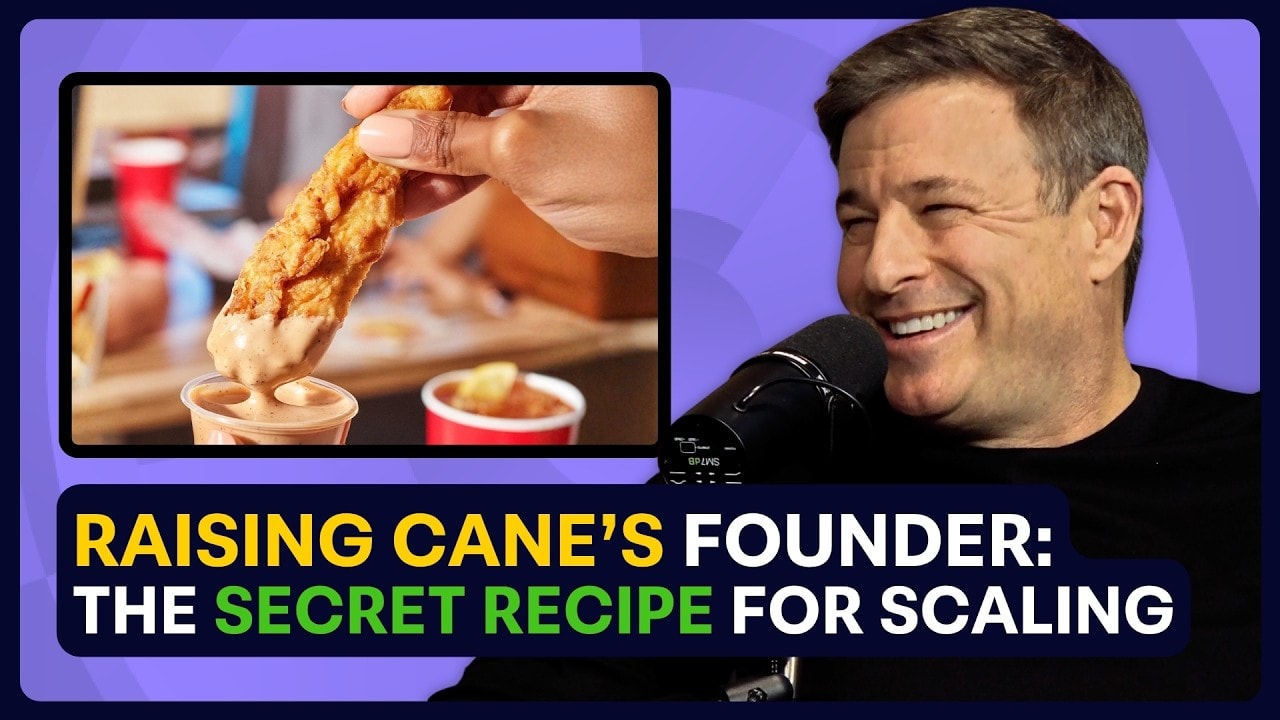
Todd Graves and Jeff Berman discuss Raising Cane's limited menu, restaurant culture, supplier redundancy and complementary leadership. Graves gives retrospective accounts of growth and operating decisions, not independently verified financial claims. Selected restaurant-business passages only; dangerous-work anecdotes, health claims and AI discussion omitted. Metadata follows the linked YouTube video. Official transcript is machine-generated; topics are untimed. Source: https://mastersofscale.com/raising-canes-secret-recipe-for-scaling/
Masters of Scale
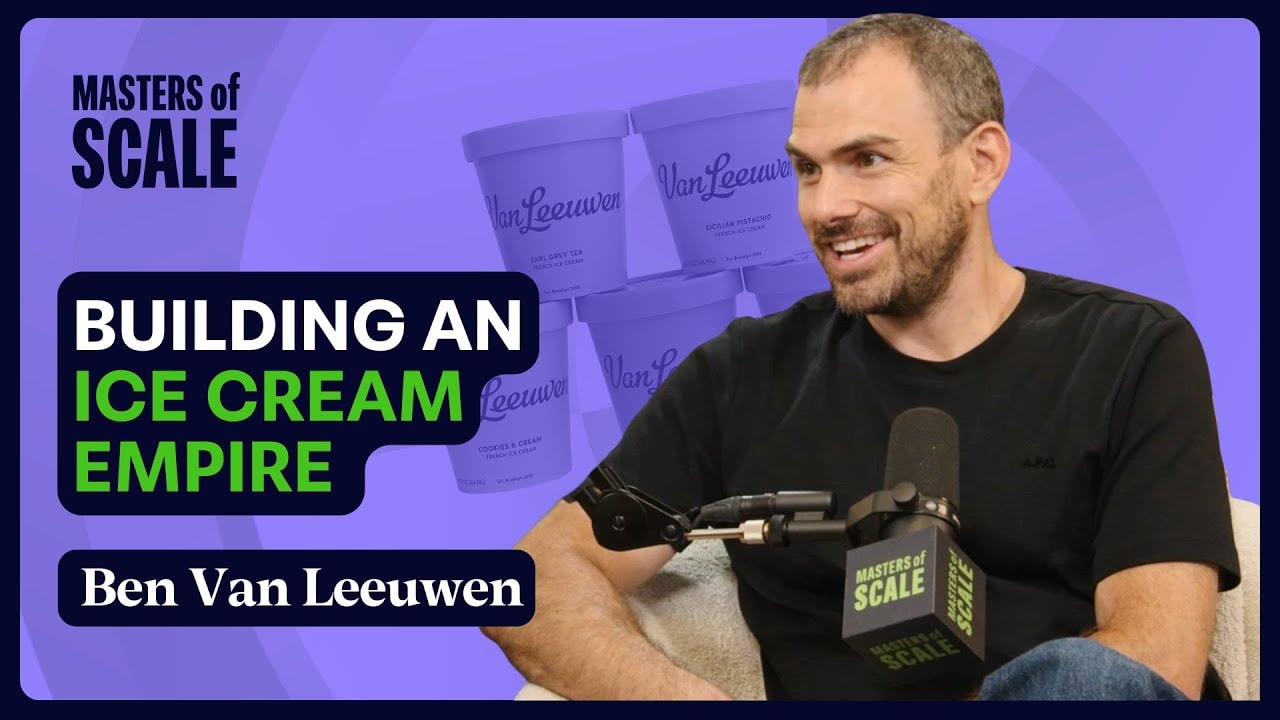
Ben Van Leeuwen traces the ice cream company from two used postal trucks and $60,000 to scoop shops and grocery distribution. He explains low-cost product testing, the economics that made stores more attractive than trucks, co-founder alignment and why viral collaborations do not replace excellent core products. TL;DR Build a product people love before you accelerate expansion, and judge each sales channel by its real economics. Details come from machine-generated captions and the guest's own claims; business figures are not independently checked. Topics are untimed; metadata follows YouTube. Source: https://youtubetotranscript.com/transcript?v=38TjGeYy_Q8
Masters of Scale
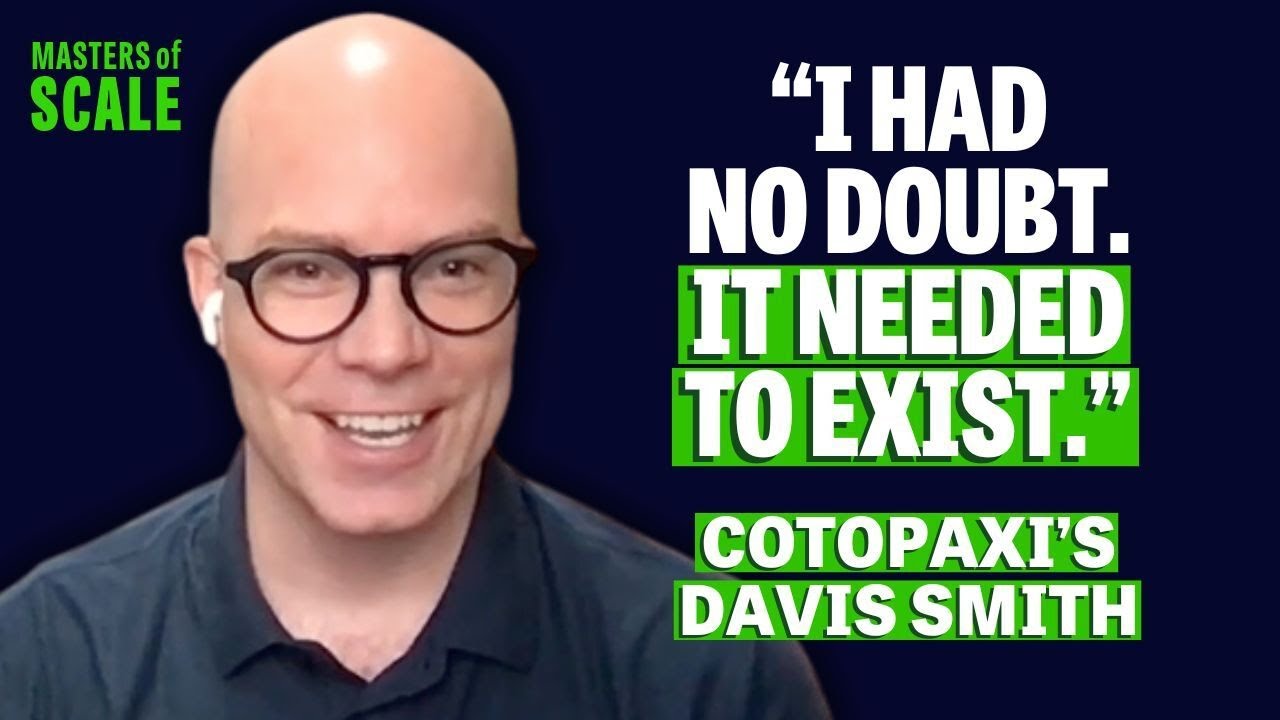
Cotopaxi founder Davis Smith discusses the lessons of an earlier Brazilian e-commerce business, the outdoor brand’s colorful identity and its revenue-based giving commitment. He explains choosing co-founders for the problem, launching with a 24-hour adventure event, measuring charitable impact and finding a successor CEO. TL;DR Build efficiency before growth, and make a brand’s purpose concrete in product, operations and leadership. Personal faith and a church mission are central to his motivation and succession story; the episode includes that discussion. Details come from machine-generated captions and the guest's own claims; business figures are not independently checked. Topics are untimed; metadata follows YouTube. Source: https://youtubetotranscript.com/transcript?v=WuT_gvSIs6Y

Masters of Scale
Emma Grede and Angela Ahrendts discuss founding consumer brands, choosing long-term partners, hiring and reaching customers through more than one channel. This is the Grede session from the 2024 Masters of Scale Summit, not the later Mellody Hobson conversation in the combined audio transcript. These notes select business-practice passages; social-policy discussion and incidental AI comments are not covered. Company results, valuations and retrospective claims are the speakers' accounts, not independently verified figures. Quotes follow the official automatically generated transcript, which warns that it is not fully corrected. Topics are untimed; metadata follows the linked YouTube session. Source: https://mastersofscale.com/emma-grede-mellody-hobson-angela-ahrendts-on-inclusive-leadership/
Masters of Scale
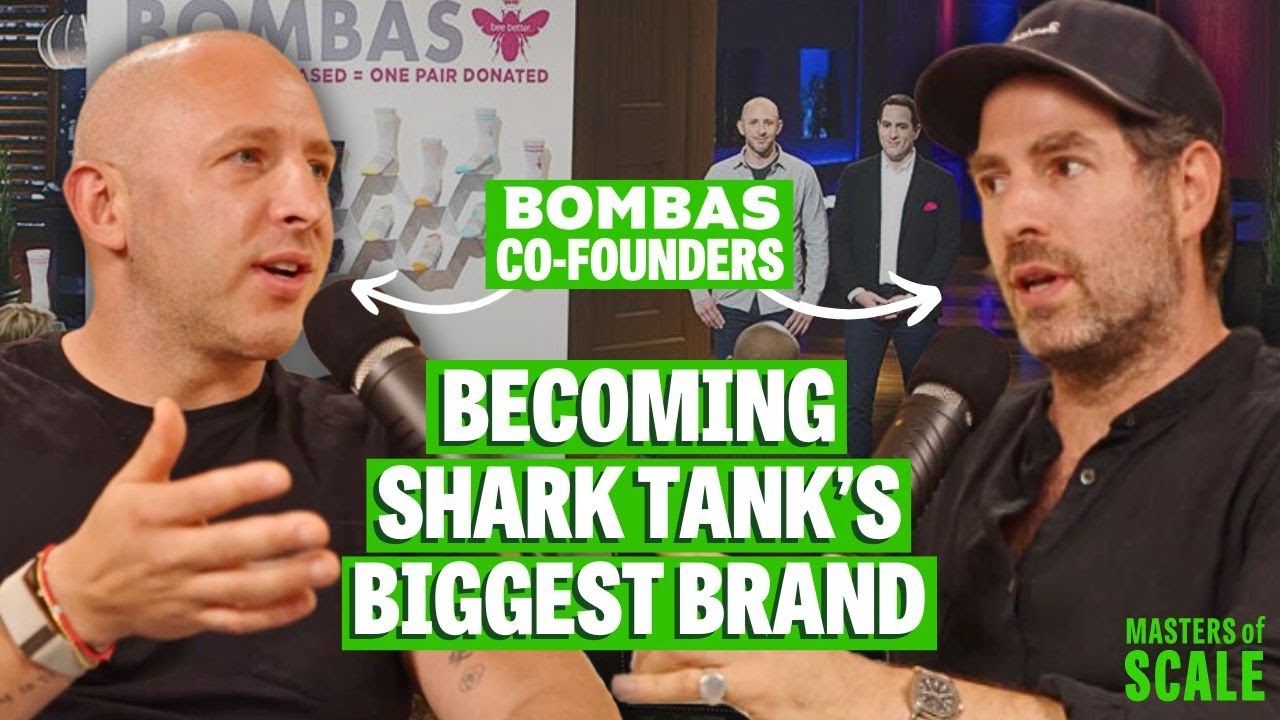
Bombas founders David Heath and Randy Goldberg discuss product testing, crowdfunding, Shark Tank preparation and building the logistics behind a giving mission. Host Jeff Berman explores how they handled sudden demand. Sales and donation totals are the speakers' 2024 accounts, not current verified figures. Selected product and operating passages only; personal health discussion omitted. Official transcript is machine-generated; metadata uses the linked YouTube version and topics are untimed. Source: https://mastersofscale.com/how-bombas-pairs-scaling-impact-and-profit/
Masters of Scale
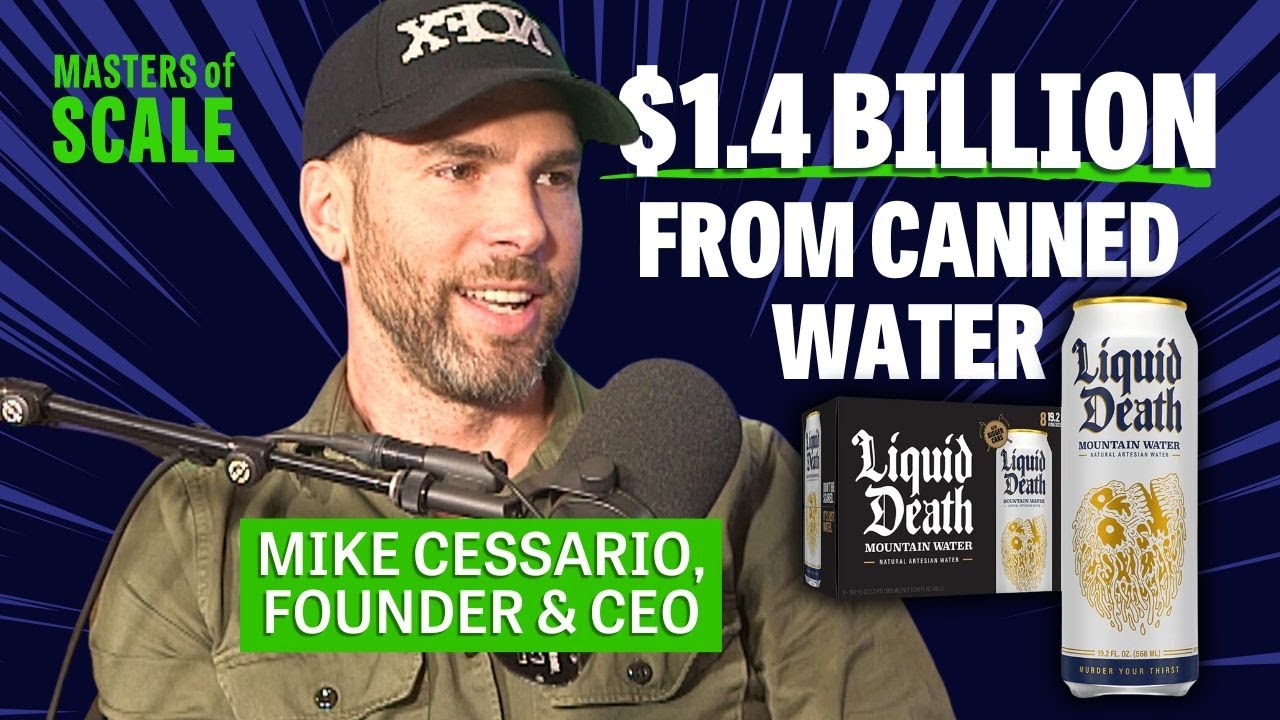
Mike Cessario and Jeff Berman discuss the creative work, early sourcing, demand tests and distribution behind Liquid Death. These notes draw on the official edited audio transcript, which is shorter than the linked full YouTube interview, so they are selected coverage rather than a full-video summary. The title's $1.4 billion valuation is a historical 2024 claim, not a current verified value. Sales, social metrics and cost comparisons are the speakers' retrospective accounts. Health, sustainability and regulatory claims and personal-distress passages are not covered. Topics are untimed; metadata follows the video. Source: https://mastersofscale.com/trust-your-taste/

Masters of Scale
Abrams describes how Bad Robot makes room for creative surprises while building the structure a growing company needs. Stories about the company logo, its workshop, the Lost pilot and feedback across teams show both the value and the limits of improvisation. Abrams describes collaboration, fast prototyping, internal feedback and the structure Katie McGrath brought to Bad Robot. Notes cover selected creative-business passages from the complete public auto-captions, which reach closing credits. December 29, 2023 is this YouTube upload date, not a claim about the first audio release; the conversation itself describes the earlier pandemic period. Anecdotes and sales figures are the speakers' accounts. Incidental fictional-scene, horror-prop and personal-strain remarks are not summarized.
Masters of Scale
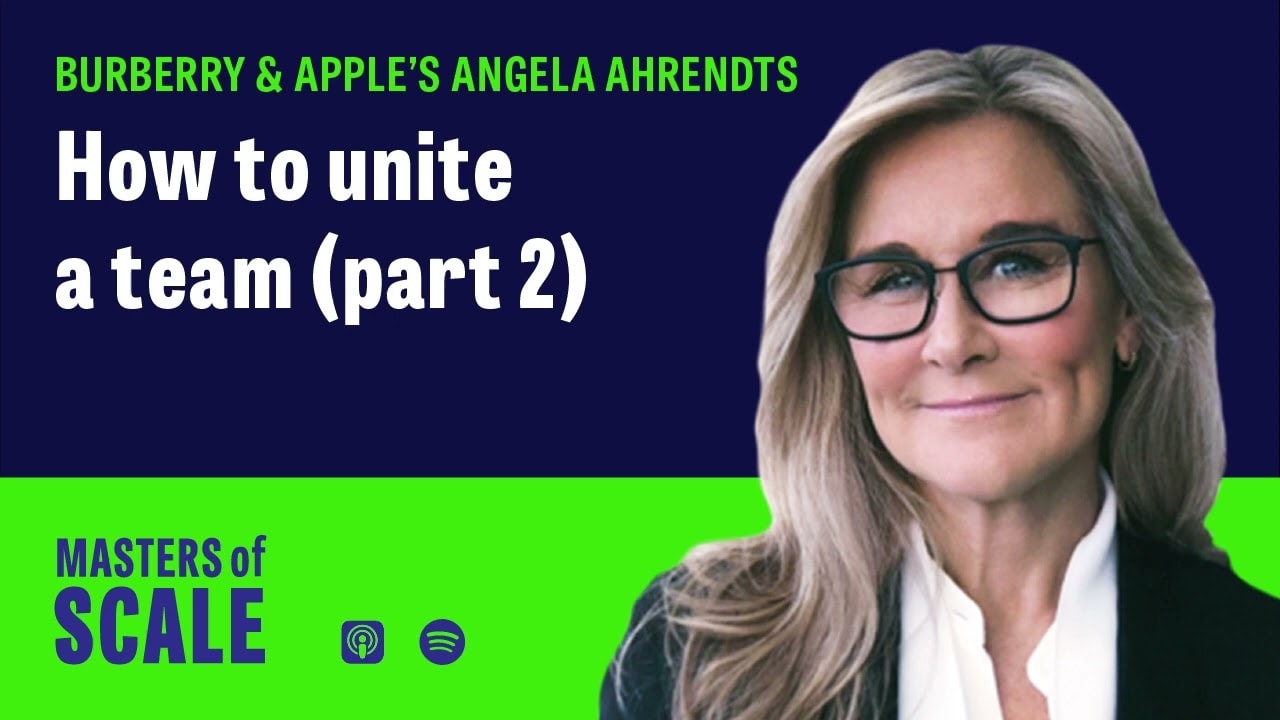
Ahrendts describes her difficult arrival at Apple and the work of turning a global retail organization into a connected community. She covers short video updates, store-to-store problem solving, translating retail into technology language and the creation of Today at Apple. TL;DR A mission becomes real when teams can communicate, solve problems and shape it themselves. Part 2 of a two-part interview with Angela Ahrendts; Part 1 covers her Burberry years. Details come from machine-generated captions and the guest's own claims; business figures are not independently checked. Topics are untimed; metadata follows YouTube. Source: https://youtubetotranscript.com/transcript?v=Rzo7HzC65w0
Masters of Scale
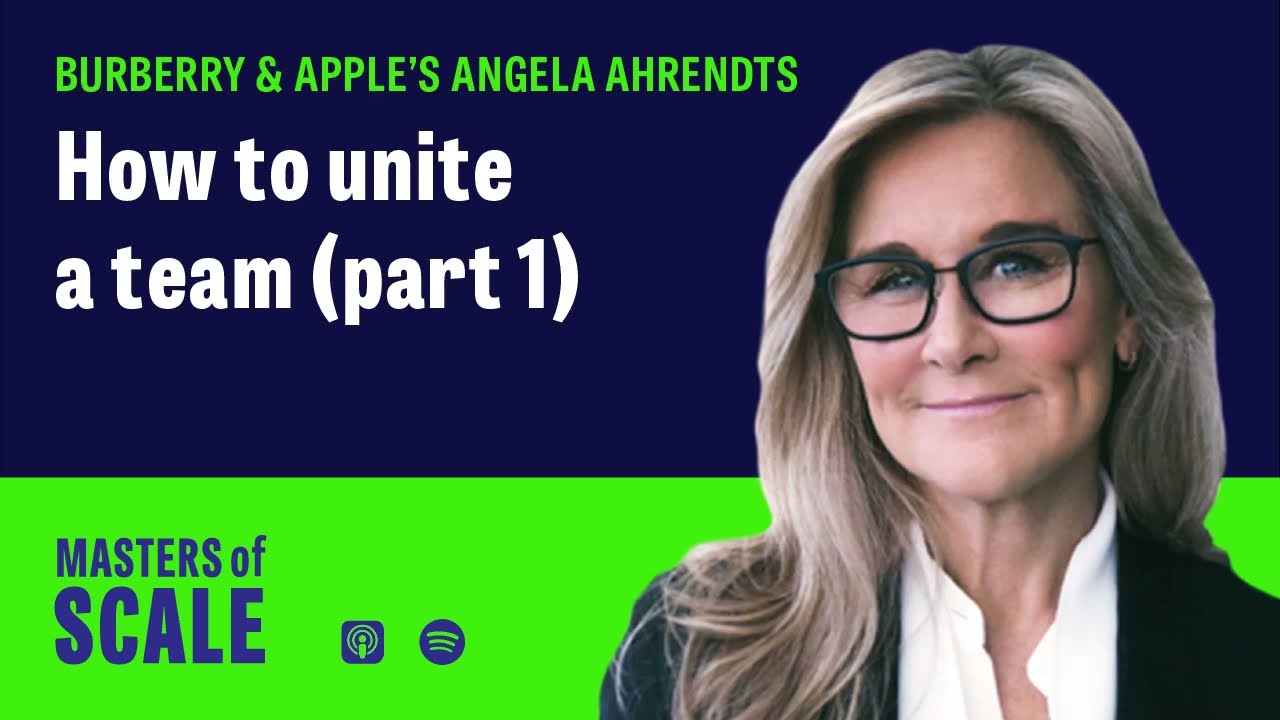
Angela Ahrendts explains how relationships and a clear mission powered her Burberry turnaround. The first of two interviews follows her fashion career, protection of acquired founders, restoration of Burberry identity and the leadership approach that attracted Apple. TL;DR A recognizable logo needs a shared mission and everyday personal connection behind it. Part 1 of a two-part interview; Part 2 focuses on Apple. Details come from machine-generated captions and the guest's own claims; business figures are not independently checked. Topics are untimed; metadata follows YouTube. Source: https://youtubetotranscript.com/transcript?v=r1RjVno31Fw
Masters of Scale
Eileen Fisher and Reid Hoffman discuss a clothing system built around simple shapes, learning from buyers and keeping a growing brand close to its original idea. Company and sales stories are retrospective accounts from the episode, not current verified figures. Selected design and business coverage only; policy advocacy omitted. Official site labels its transcript machine-generated. Metadata uses the YouTube upload date and exact player duration; topics are untimed. Source: https://mastersofscale.com/keep-it-simple-to-make-it-timeless-eileen-fisher/
Masters of Scale
Robert Reffkin and Reid Hoffman discuss learning from feedback, defining success and changing an early customer-service model at Compass. These notes focus on the operating lessons rather than the opening leveraged-stock-loss story. Historical outcomes are the speakers' account, not current financial claims or investment advice. The YouTube upload republishes an older conversation. Official transcript is machine-generated; topics are untimed. Source: https://mastersofscale.com/robert-reffkin-how-setbacks-create-momentum/
Masters of Scale
Sara Blakely describes how a clothing frustration became a prototype, how she checked for a market and how she found manufacturing help. Reid Hoffman connects the story with purposeful observation and action. Selected business passages from the original 2018 episode, uploaded to YouTube in 2023; metadata uses the upload date and exact video duration. Incidental AI and exploration passages omitted. Historical outcomes are the speakers' accounts, not a formula for success. Official transcript is machine-generated; topics are untimed. Source: https://mastersofscale.com/sara-blakely-how-to-find-your-big-idea/
Masters of Scale
Reid Hoffman explores bootstrapping through Ben Chestnut's Mailchimp story, with other founders offering different funding experiences. These notes focus on Chestnut's move from consulting to a repeatable software product. Historical revenue and business outcomes are the speakers' account, not current verified figures or investment advice. The YouTube upload republishes an older conversation. Official transcript is machine-generated; topics are untimed. Source: https://mastersofscale.com/ben-chestnut-the-case-for-bootstrapping/
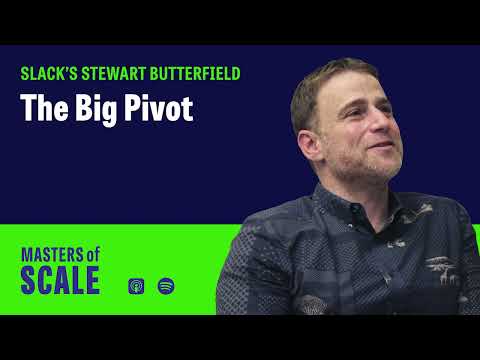
Masters of Scale
Butterfield recounts two failed games that produced Flickr and Slack. The interview covers choosing a single direction, supporting employees when a project closes, preserving money for the next attempt and turning an internal communication tool into a product. Notes cover selected business passages from the complete public captions, reaching the closing credits, and checked against the official show transcript. April 28, 2023 is this YouTube upload date; the official show page dates the original episode November 15, 2017. Roles, valuation and company figures refer to that earlier conversation, not current Slack. Illness, personal distress and violent business metaphors are not summarized.
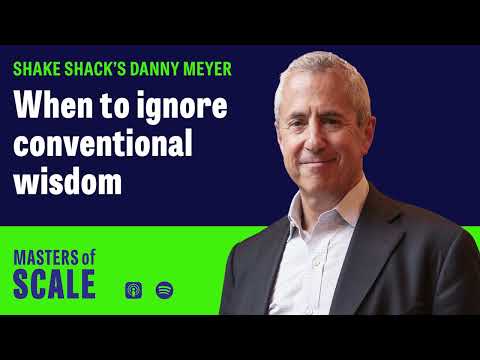
Masters of Scale
Danny Meyer explains how restaurant hospitality became a set of practices his teams could use as the business grew. The interview follows Union Square Cafe, the troubled first year of Gramercy Tavern and the small hot-dog experiment that became Shake Shack. Notes cover selected business passages from the complete captions, reaching closing credits, checked against the official show transcript. March 24, 2023 is this YouTube upload date, not the first audio-release date. Business roles and examples describe the earlier recorded conversation. Family bereavement, personal distress and the unrelated basketball segment are not summarized.
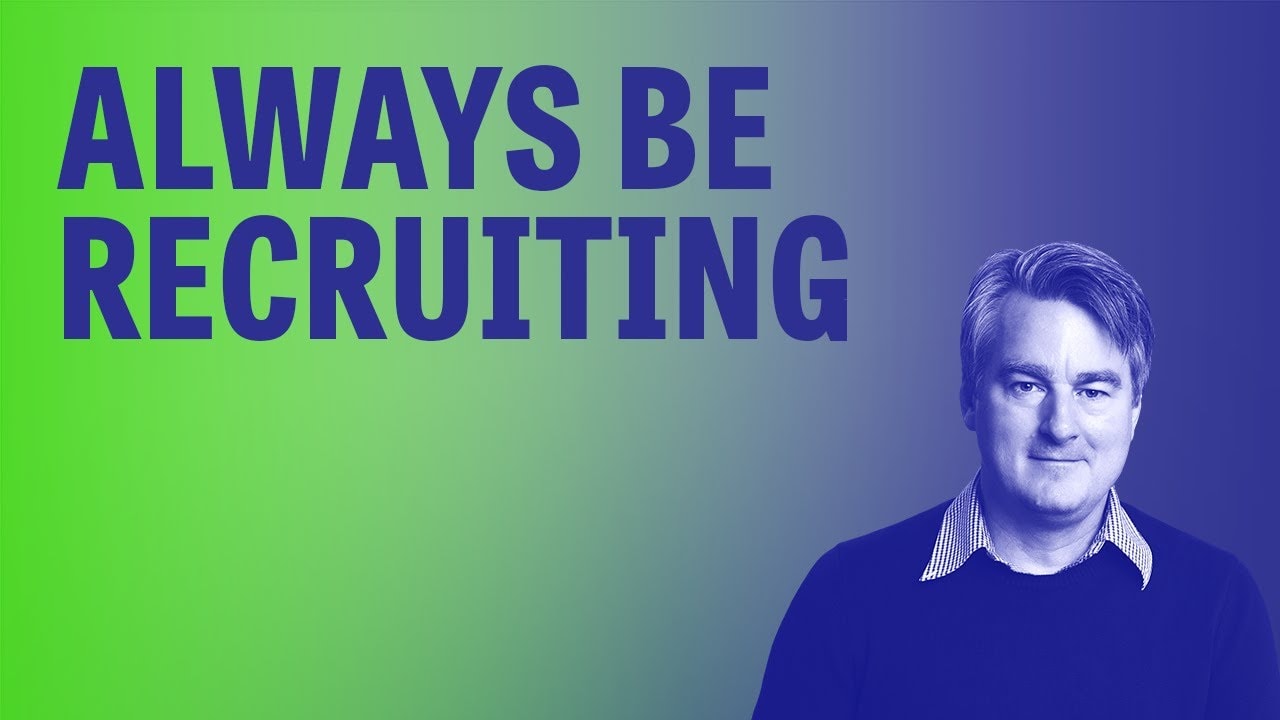
Masters of Scale
A Masters of Scale episode from January 2022 in which host Reid Hoffman and Kayak co-founder Paul English give a five-lesson masterclass on recruiting. It opens with the story of Arshay Cooper and a Chicago rowing team, then covers recruiting your inner circle, scouting constantly, hiring for your weaknesses, recruiting at speed with a seven-day offer clock, and recruiting your customers, including English's story of putting his cell number as a customer line and his Get Human project. The caption text covers the whole episode, including the cold open and credits. All claims, anecdotes and advice are the speakers' own statements, not independently checked, and this is not employment or legal advice. Captions are automatic with errors. Topics are untimed; metadata follows YouTube. Source: https://youtubetotranscript.com/transcript?v=oB7RRB9D6kg
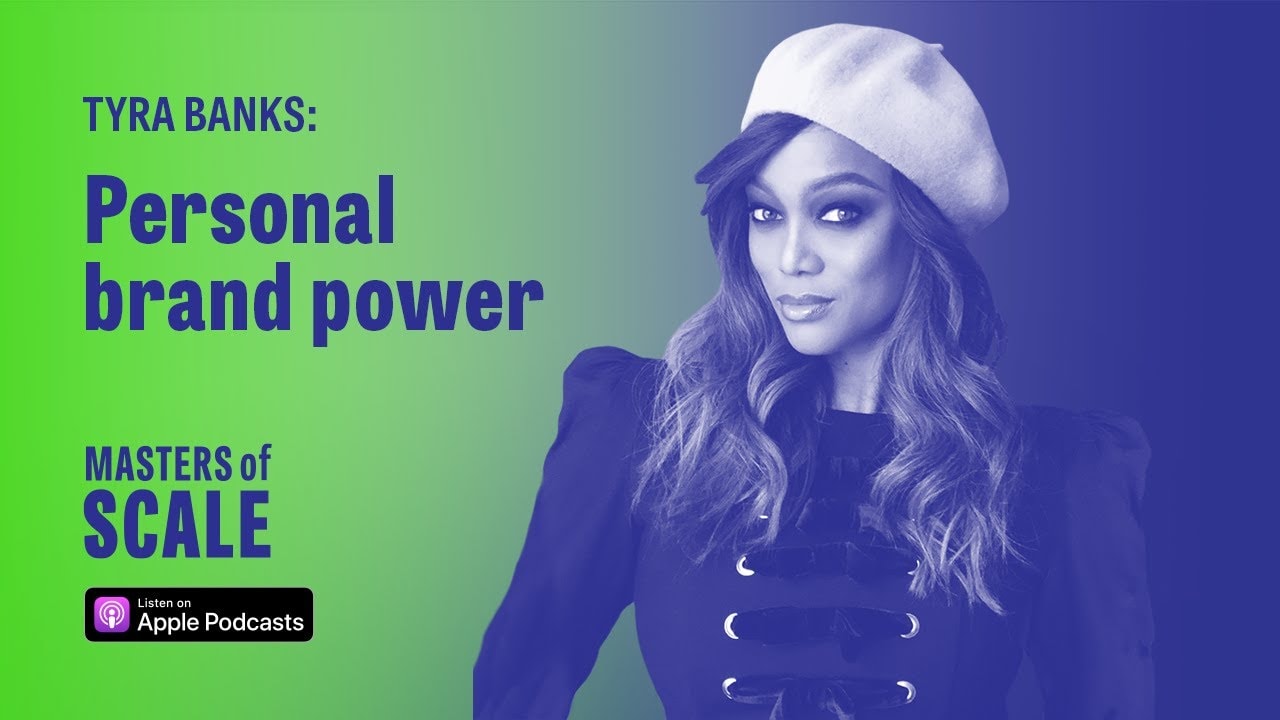
Masters of Scale
Tyra Banks and Reid Hoffman discuss research, career pivots, refusing poor-fit opportunities and learning new product skills. These notes select career and business passages; body-image discussion, racial controversy, health references and sponsor material are not covered. Career results and company history are their retrospective accounts, not current verified operating facts. Quotes retain the wording of third-party automated captions, which contain recognition errors and no speaker labels; attribution follows the conversation. Topics are untimed and metadata follows YouTube. Source: https://youtubetotranscript.com/transcript?v=CputK9Z_by8
Masters of Scale
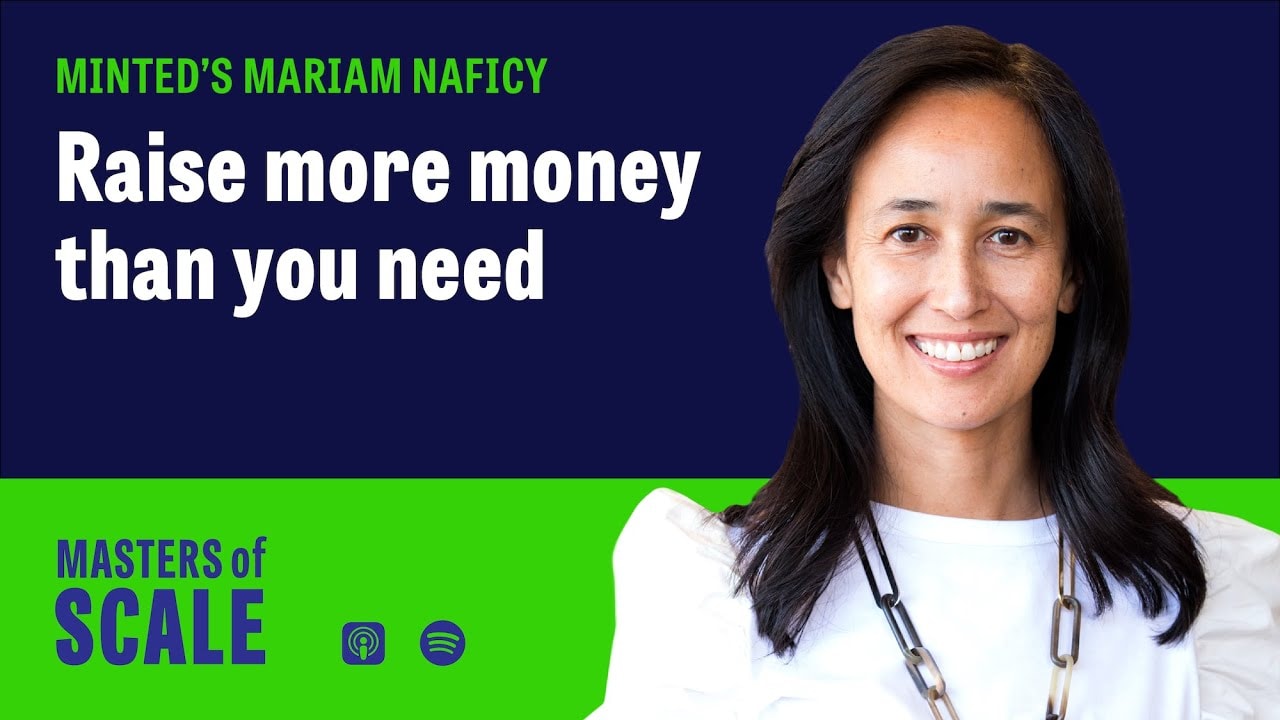
Mariam Naficy and Reid Hoffman discuss unexpected costs, the early sales signal that changed Minted and learning directly from customers. Funding and company figures are historical accounts from the 2017 episode, not current verified data or investment advice. Capital has trade-offs; the title is the show's argument, not a universal rule. Metadata uses the later YouTube upload date and exact player duration. Official transcript is machine-generated; topic sections are untimed. Source: https://mastersofscale.com/mariam-naficy-the-money-episode/