Find key takeaways from long-form podcast conversations.
Found 34 results across 30 episodes, 2 podcasts, 2 topics

Hosted by Mel Robbins
Mel Robbins talks with guests about work, relationships, habits and personal experience. Conversations offer perspectives and practical reflection rather than a substitute for professional care.

Hosted by Tim Ferriss
Tim Ferriss interviews guests about the habits, decisions and ideas behind their work and lives. Conversations cover entrepreneurship, creativity, learning and personal experiments.
The Knowledge Project
Shane Parrish talks with real-estate broker Ryan Serhant about follow-up, selling an outcome rather than a product, building competence and turning attention into a business. These notes cover selected sales and business passages from the first roughly 50,000 characters of the public YouTube auto-captions. The ending is not covered, sponsor reads and personal client anecdotes are omitted, and the captions may contain errors. These are Serhant's experiences, not promises of financial results.
Modern Wisdom
Spencer Greenberg joins Chris Williamson to discuss the recurring strategies behind self-help, the difference between intrinsic and instrumental values, habit reflection and fear. They also examine worry, productivity and activities people are glad they did. The summary attributes study results and self-improvement claims to Greenberg and does not offer mental-health treatment advice.
My First Million
A My First Million conversation (episode 865) in which Shaan Puri and Sam Parr talk about using the last 99 days of the year, Parkinson's law, building systems around your weaknesses, running events, and a bathtub analogy for warming up creative output. Sponsor: the description links a HubSpot resource; no HubSpot read appears in the parts covered. PARTIAL COVERAGE: this note covers the 99-days opening, the Parkinson's law and quarters discussion, the systems and events discussion, the bathtub analogy, and the closing, and does not cover every part of the roughly 60 minute episode, including the sections on jelly beans, thinking hats and notebooks. Personal stories and claims are the speakers' own and not independently checked. This is a business and habits conversation, not medical, legal or financial advice.
Figuring Out with Raj Shamani
David Sinclair joins Raj Shamani to discuss aging, the epigenome, exercise, body composition and daily habits. He presents his longevity theories and personal routines, including ideas that remain debated or preliminary. This is a summary of his views, not medical advice; animal findings and proposed treatments should not be read as proven human age reversal.
My First Million
A My First Million conversation (episode 861) with Sam Parr, Shaan Puri and investor David Rubenstein, co-founder of Carlyle. He talks about the entrepreneur's fear, a missed chance to take 20% of the company Jeff Bezos was about to build, working as a young White House adviser under President Carter, losing contacts after the election, and his frugal habits. Sponsor: the description links a HubSpot resource; no HubSpot read appears in the parts covered. PARTIAL COVERAGE: this note covers the opening, the Carter White House section, the post-election lesson, the frugal habits section, and the section on starting Carlyle, and does not cover every part of the roughly 62 minute conversation, and the video title's claim about the dollar was not in the parts covered. Figures and stories are the speaker's recollections and not independently checked. This is a summary, not financial or investment advice.

Figuring Out with Raj Shamani
Raj Shamani asks cognitive neuroscientist Dr Sahar Yousef about focus, habit change, cravings, chronotypes, recovery and digital habits. She links practical behavior changes with the emotions that drive them, while discussing her own struggles and the cost of ambition. Educational summary, not medical advice. Persistent addiction or burnout deserves qualified professional care.
Figuring Out with Raj Shamani
Andrew Huberman joins Raj Shamani to discuss stress regulation, morning routines, attention and the need for recovery. He connects mental strength with being able to shift between focused effort and rest without turning routines into another source of anxiety. Health claims and techniques are his educational views, not personal medical advice.

Figuring Out with Raj Shamani
Figuring Out episode FO549, sponsored by Asus ExpertBook, in which Raj Shamani speaks with Mark Bowden, body language expert and advisor to G7 leaders, about how behavior wins trust and credibility. Bowden demonstrates live why the brain rewards predictability, shows Raj his own stress adapters on camera, explains his four boxes of communication style, and breaks down influence and persuasion: accept first, float in the other person's river, then offer binary choices. He defends the genuine fake, recounts coaching a world leader to survive Donald Trump's handshake by approaching fast with a locked arm, and closes on targeting your scarce resource at the audience that matters. PARTIAL COVERAGE: this long conversation is summarized from its caption highlights; the quick-fire segments and full rapid rounds are not covered question by question. These are Bowden's own methods and opinions, not independently verified, and nothing here is professional advice.

My First Million
My First Million episode 815, in which Sam Parr talks with author Charles Duhigg about how to change your life through habits. Charles explains the habit loop and the idea of replacing part of a routine, argues for dealing with small tasks such as email right away to free up mental space, and discusses what he calls super communicators, including connection, trust and why he thinks authenticity is really the act of being willing to be vulnerable. He also describes his reporting method of mass outreach, saying only a few percent respond and that great work requires being willing to waste time. Sponsor named in the description: HubSpot. PARTIAL COVERAGE: this note draws on the opening, the inbox, communication, authenticity and cold outreach sections and the closing, and may miss parts of the roughly 58 minute video. Personal stories, including the host's past drinking, and all claims about brains and behavior are the speakers' own. Nothing here is medical, mental-health, legal or financial advice.
The Tim Ferriss Show
A Tim Ferriss Show conversation with country singer Tim McGraw about taking charge of a long career, what stays constant in songs, recovering from back surgery, his training habits and how he came to know his biological father. PARTIAL COVERAGE: the episode runs about 118 minutes and the available caption text is cut off, so this summary covers roughly the first 40 percent plus a stretch near the end of the caption, and not later topics. Sales figures and personal accounts are McGraw's own. This is a summary of his views, not medical or financial advice.
The Mel Robbins Podcast
James Clear on systems, smaller starting steps, failure pre-mortems and action that tests a result. Selected practical discussion, not health claims or full-episode coverage. Advice is his own; untimed editorial topics are not video chapters.
The Diary Of A CEO with Steven Bartlett
Chris Williamson joins Steven Bartlett on The Diary Of A CEO for a year-end conversation about choosing fewer goals, subtracting commitments and reviewing what actually matters. Recorded for planning2026, the ideas can be read as a historical goal-setting discussion. This summary excludes health claims and does not treat motivation advice as clinical guidance.
Figuring Out with Raj Shamani
Raj Shamani Figuring Out episode, in Hindi, in which Raj talks with businessman Keshav Inani about the Marwari formula for wealth and the business secrets nobody teaches. His three daily habits for dreamers: manifestation, shamelessly asking - because you always learn something - and basic hard work with discipline, because if you cannot be disciplined you cannot do business. On India's market he is contrarian: India is price-sensitive, so do not give a great product at a high cost - give an average product at low cost and people will buy. He warns that glamour is a businessman's biggest enemy, pointing to how Mukesh Ambani's white shirt and Mark Zuckerberg's uniform exist to kill irrational daily decisions, and names telecom, e-commerce and any consumerism-led market as India's big opportunities, alongside building businesses AI cannot replace. PARTIAL COVERAGE: this summary highlights the money and market lessons; community history and family segments are not covered. These are Inani's own views, not independently verified. This is not financial advice. No sponsor read was named in the episode.
The Diary Of A CEO with Steven Bartlett
James Clear on making the first action easy, the two-minute rule, systems, upstream habits and reflection. Selected habit-design coverage only, excluding weight-loss and health advice. Examples are his anecdotes, not verified outcomes.

My First Million
My First Million episode, sponsored by HubSpot, in which Sam Parr and Shaan Puri talk about why people do not change and what actually works. Sam shows his five-year diary, where each date stacks five years of entries, and admits he has complained about the same things for over a decade: how he spends time, where to live, losing his temper. His conclusion: inertia is the default, feelings are unreliable, and the only times he changed - fitness, business, habits - a system with accountability was in place, the same reason the jump from ten to a hundred million in business is systems. Shaan adds the James Clear line about falling to the level of our systems, argues you want the feeling you think the thing will give you, and makes the case for reminders over new strategies: coaches repeat the same two or three cues fifty times, and companies can absorb one new project a quarter, not five. PARTIAL COVERAGE: the captions cover most of the conversation, but this summary highlights the systems and change discussion only, so later segments are not covered. These are the hosts' own views and stories, not professional advice.
The Mel Robbins Podcast
Charles Duhigg on cues, routines, rewards and planning a manageable morning. Selected practical habit advice only, excluding exercise prescriptions, brain-science explanations and the full ending. Research claims remain his descriptions, not independently verified findings. Untimed editorial topics are not video chapters.
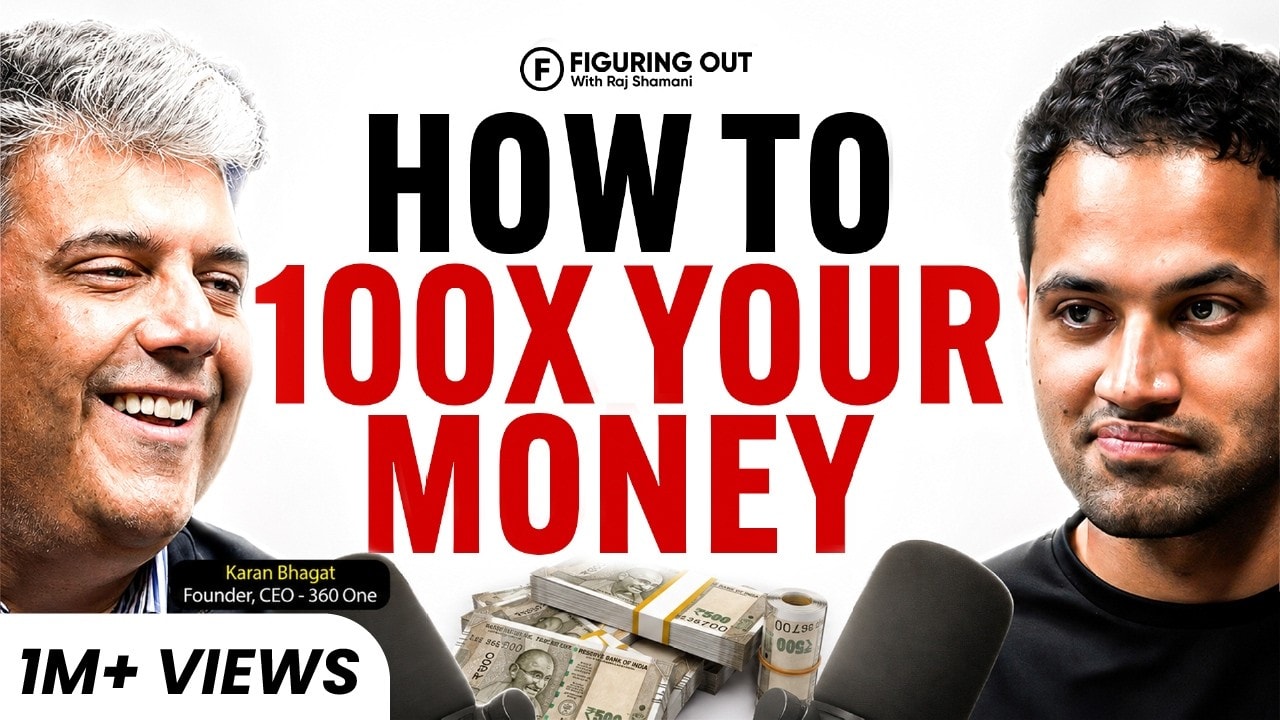
Figuring Out with Raj Shamani
Raj Shamani Figuring Out episode, in Hindi, in which Raj talks with Karan Bhagat, founder and CEO of one of India's top wealth management firms, about what the ninety-nine percent of rich people actually do. His definition of rich in India today: a good house and five crore is very, very rich. The difference between those who stall at one or two crore and those who build five thousand: a certain discipline to their process - doing slightly more every day than the day before. He maps where India's wealth gets made - financial services, consumer, technology services, industrials and defense, pharma and healthcare - and advises a twenty-year-old to pick one space, live with the people who know it, study them and prepare. He also gets into what money does not change: the fears people carry stay the same after the money arrives, and the old-money versus new-money mindset gap. PARTIAL COVERAGE: this summary highlights the wealth and mindset lessons; firm history and product talk are not covered. These are Bhagat's own figures and views, not independently verified. This is not financial advice. No sponsor read was named in the episode.
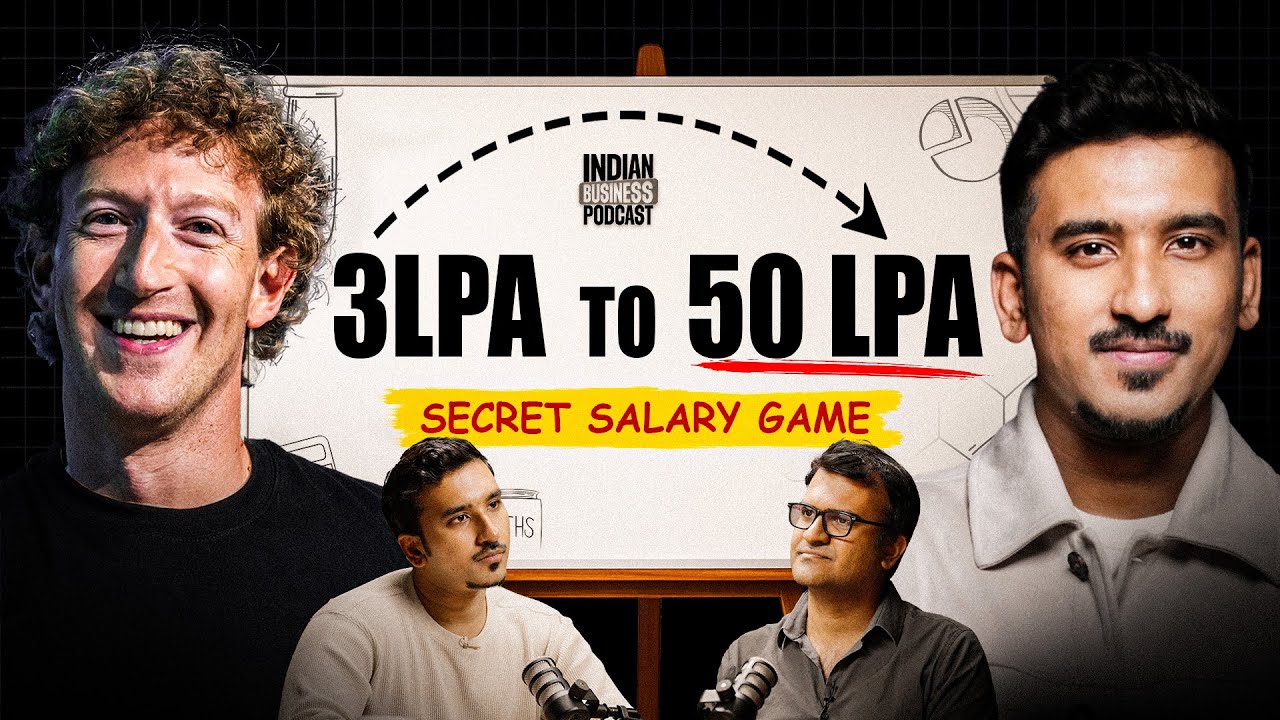
Think School: Indian Business Podcast
Anshuman Singh, Bhavik Rathod and Ganesh Prasad discuss investigating customer problems, showing evidence of initiative and hiring for measurable impact. Coverage comes from approximately the first 50,000 characters of third-party captions, not the full interview; the unseen ending is not summarized. School promotions, AI remarks and blanket firing or education-status prescriptions are omitted. Historical company practices are the guests' recollections, not current policies. The title's salary figure is not a promised outcome. Captions contain errors and no named speakers; quotations are attributed to the interview participants rather than assigned to an uncertain speaker. Topics are untimed; metadata follows YouTube. Source: https://youtubetotranscript.com/transcript?v=xwFgddaaBXs

The Ranveer Show
Jackson Wang - GOT7 member, solo artist and Team Wang founder - joins Ranveer Allahbadia in Mumbai on his fourth day in India for a loose, wholesome conversation. FULL COVERAGE: notes span the entire episode. Sponsor: none stated (Jackson's own album Magic Man 2 and his AI companion product Magic Eye come up as his projects, not paid reads; nothing here is medical advice - his diet and skincare routines are his personal habits as described on the show). Jackson explains K-pop in three sentences - Korean pop, deep artist-fan engagement, and dancing, singing and rapping as its three pillars - plus a fourth: every idol truly wants to make their own music. Inside the trainee system: no mercy, only results, easy to get in and easy to get cut, weekly evaluations and level gates - and Jackson spent two and a half years at the lowest grade before a six-month surge in dance and martial-arts tricking carried him to debut at 19. The twist: GOT7 trained for one genre and debuted in another - 'if you're prepped as a knife, you need to cut; why am I hammering?' He reflects on debuting at 19 without finishing high school, missing his youth, taking a year off after a decade of nonstop output, and turning a diary habit into Magic Man 2. On his current chapter: no team beyond himself and one collaborator, checking his own lyric uploads on TikTok and Instagram, and owning the insecurity as the cost of wanting to be great. On discipline after 30: asleep by 8 p.m., up at 4-5, green juice (garlic, ginger, lemon, celery, broccoli, banana, turmeric, blueberries, collagen, parsley, cucumber, coconut water), wearables, and the red-carpet protocol - no dinner the night before, gym, sauna, ice-bowl face dunks. The episode wanders happily: chicken wings as a last meal, the Chinese saying that bitter taste is good medicine, his friendship with RM, why he used to host every gathering, wanting action and crime roles over romantic comedies, his Hrithik Roshan friendship, learning the Indian head nod, Black Mirror theories, using AI as a coach and contract translator, why he built Magic Eye for lonely moments before sleep, speaking five languages by having no pride, starting music on GarageBand at 12, and Ranveer's favorite quote - the past is fiction.

The Ranveer Show
Ranveer Allahbadia flies to London and sits down with Manchester United legend Rio Ferdinand for the episode that kicks off TRS's international phase and reveals the show's new logo. FULL COVERAGE: notes span the entire conversation. Sponsor: none stated. All stories and claims are the speakers' own as told on the show. Rio opens up on why he still goes hard after retirement - his kids watch his habits, and a father lying in bed teaches them the wrong life. He traces his drive to a Peckham childhood with hardworking parents and a mother whose empathy held the neighborhood together, and explains why he wants to be remembered for something beyond football: if people only talk to him about United in ten years, he feels he will have failed his next phase. Inside the United dressing room: he and Nemanja Vidic each privately believed they were the best but competed to be the best pair; 95% of his toughest games were in training against Rooney, Tevez, Berbatov, Ronaldo, Nani and Saha; and everything - cards, table tennis, SOCOM and FIFA on team buses - was competition, because you cannot switch competitive energy off and expect it to come back at the same height. He admits he had no empathy as a player, mentally deleting injured teammates, and would change that now. On Sir Alex Ferguson: the great observer who almost never entered the training-ground changing room, let leaders govern standards, delegated every department, and recruited for culture - a management style Rio says the club has missed since he left, arguing great teams need underlying fear and real repercussions (he points to Pep's City and Klopp's Liverpool) and that accepting substandards has cost United. Ranveer shares his own matching lesson: branding his first agency a 'family culture' got taken advantage of until he rewrote it as a sports-team mentality. The conversation turns deep on grief: Rio's wife Rebecca and his mother died in quick succession, his BBC documentary forced him to talk, and his message to his younger self is that it is okay to be vulnerable and okay to cry - he argues schools teach everything except death, the one guaranteed thing. He chose his three children over a managerial career he was starting when Rebecca passed. On Cristiano Ronaldo: a deep, curious conversationalist who calls NASA for recovery margins and uses critics as fuel. On fatherhood: be the parent, not the coach; his kids are not 'Rio Ferdinand's kids', they just happen to have a dad who played football. It closes with India - his love for Delhi's energy, the smiles he saw amid poverty, watching a funeral procession in the street, a promise to bring his podcast to India, and Ranveer's vow that a 4 a.m. landing still earns a full Mumbai food tour.

The Tim Ferriss Show
Derek Sivers talks with Tim Ferriss about changing his mind, curiosity around disagreement, simplicity and travel as experiencing ways of life. His examples invite reflection on harmless preconceptions and personal motives, not ignoring real danger or turning his choices into universal advice.
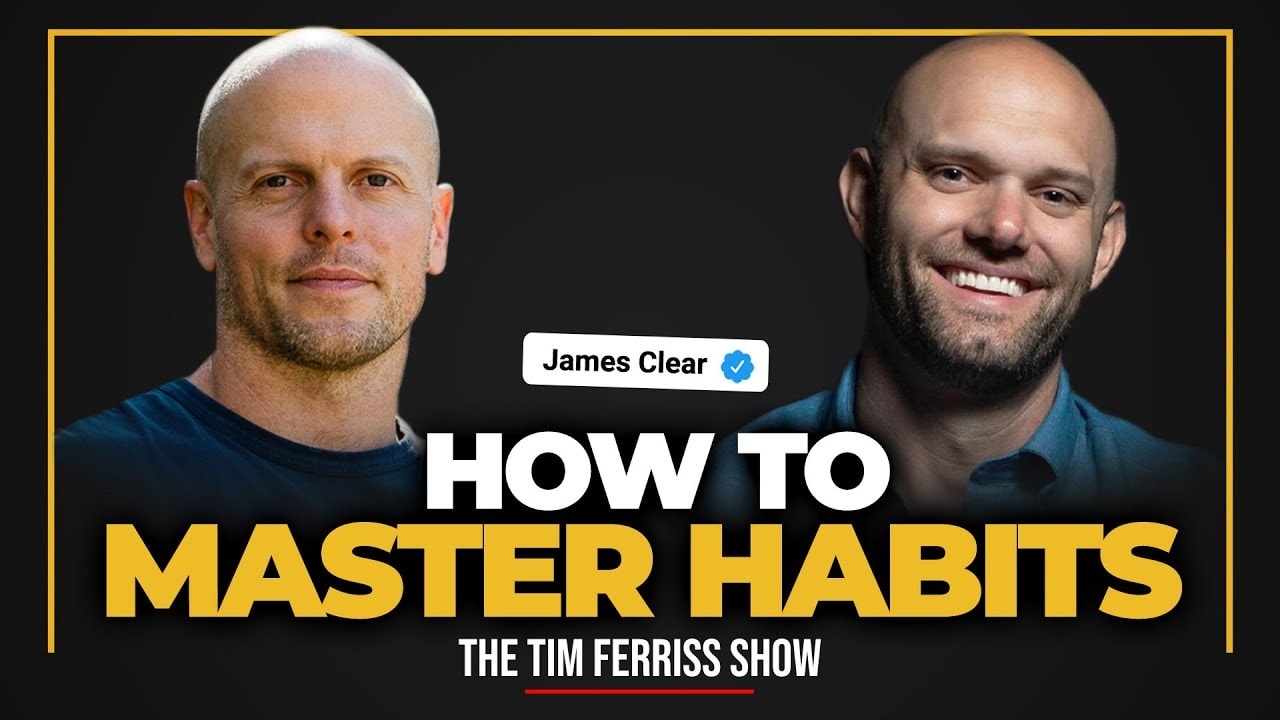
The Tim Ferriss Show
James Clear and Tim Ferriss discuss reflection, habit systems, identity, creative work and changing behavior. Clear describes ways to reduce friction and build small repeatable actions. These are his practical frameworks and personal examples, not guarantees of results; the source video notes technical difficulties and camera video beginning at31:00.
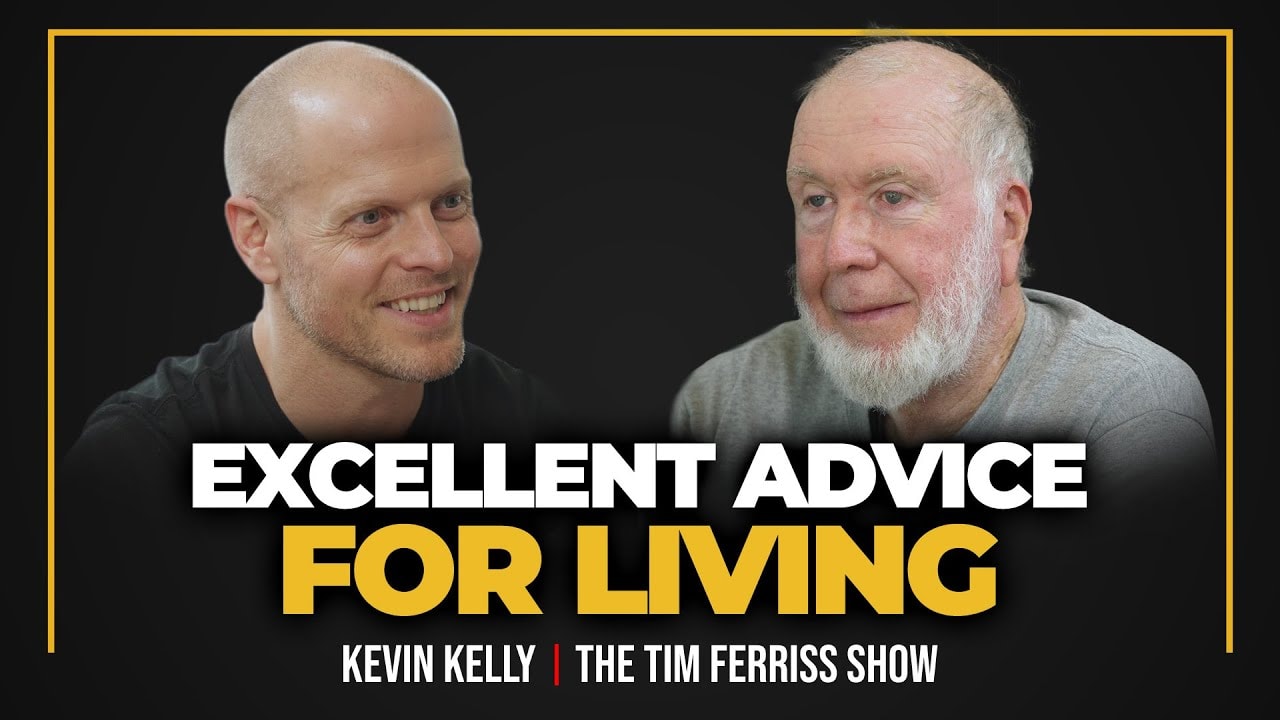
The Tim Ferriss Show
Kevin Kelly talks with Tim Ferriss about a niche audience, active optimism, creative rest and becoming yourself. He argues for finding a distinctive contribution instead of competing only to be the best. The discussion reflects his personal advice and technology outlook in April 2023.
The Tim Ferriss Show
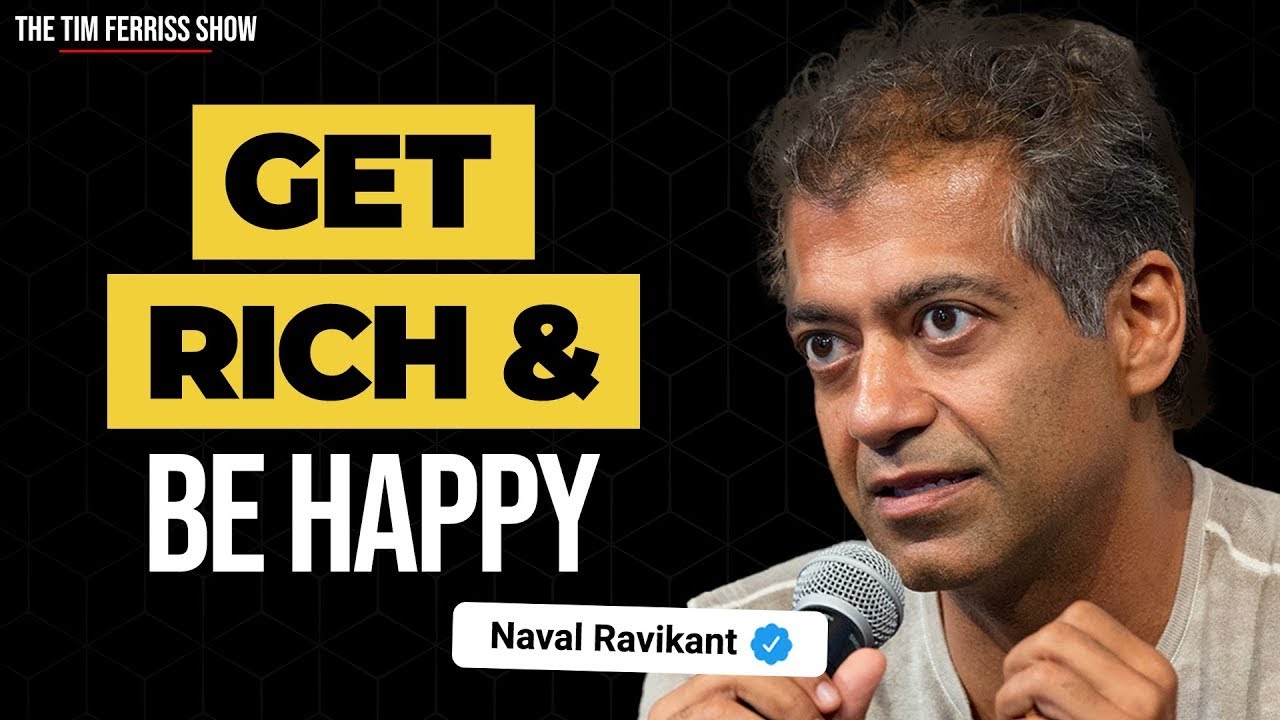
Naval Ravikant talks with Tim Ferriss about ownership, specific knowledge, self-examination and long-term thinking. Wealth-building and mental-health statements are his personal views from October 2020, not investment instructions, clinical explanations or promises of results.
The Tim Ferriss Show
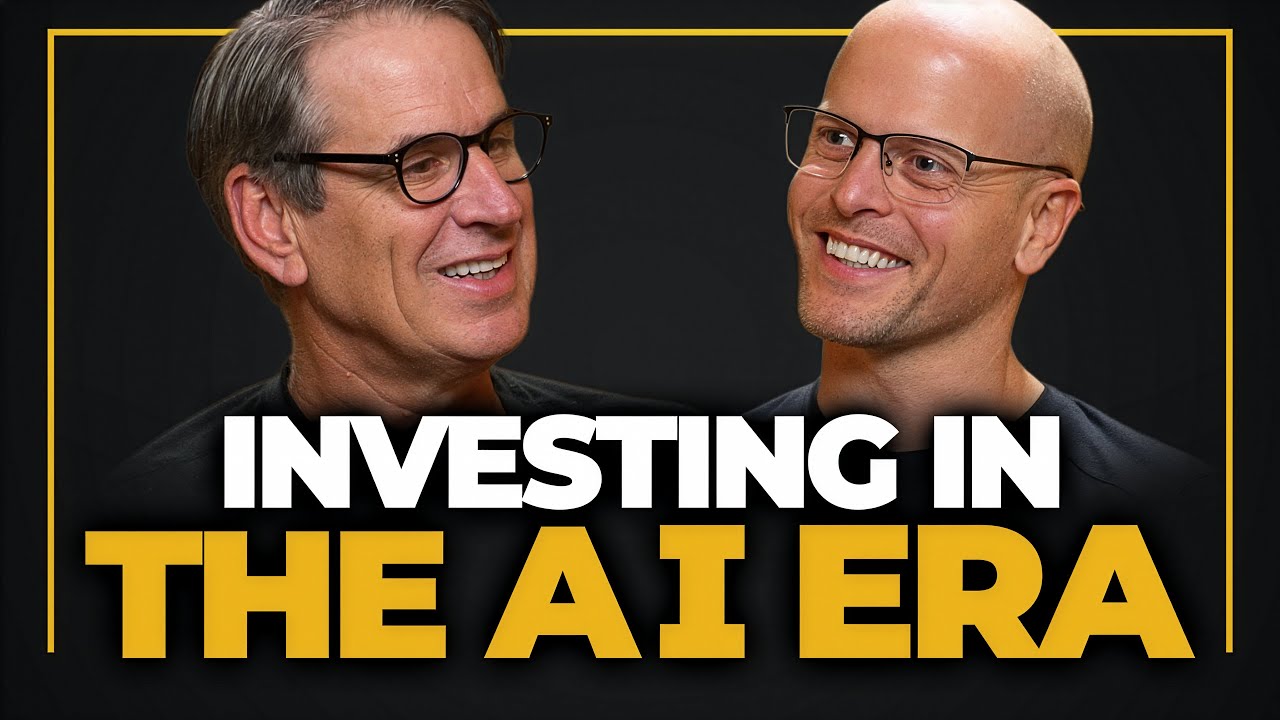
Bill Gurley discusses the permission to pursue a field, deep learning, proximity to active communities and relationships that emerge without a fixed agenda. He also offers a December 2025 interpretation of AI innovation and speculation. These career and investing perspectives are not guaranteed outcomes, verified deal analysis or investment advice.
The Tim Ferriss Show
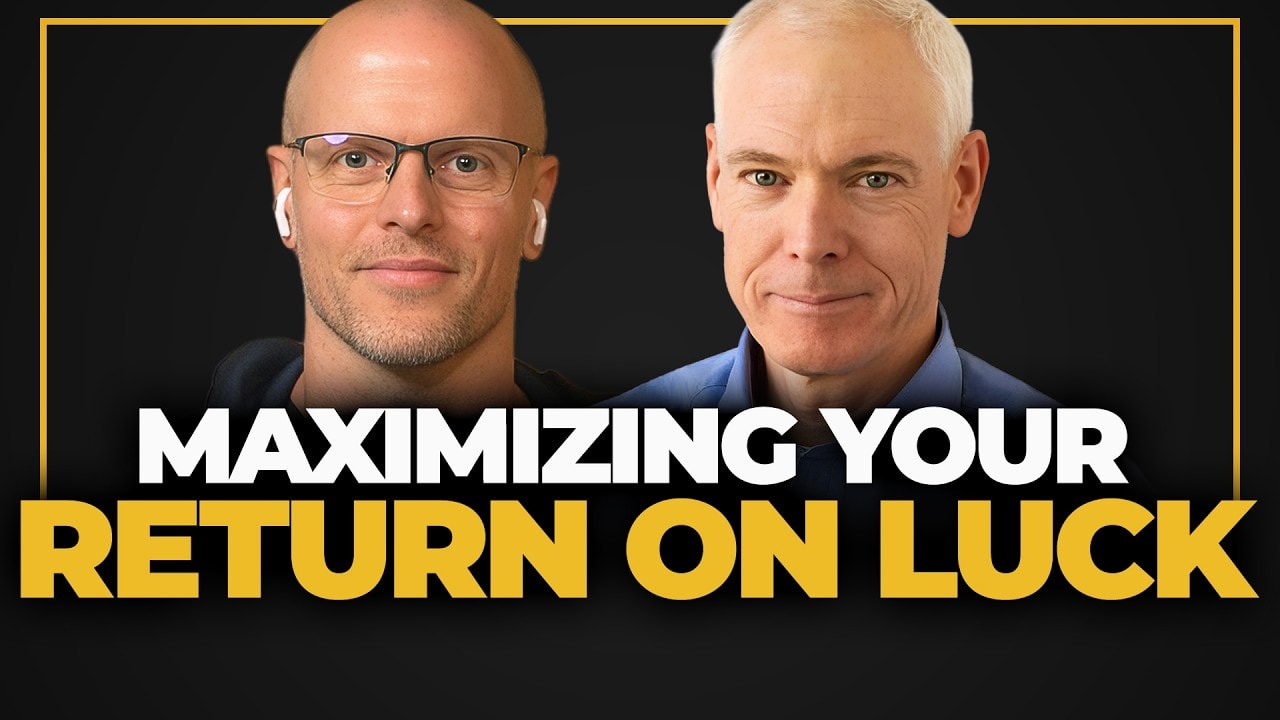
Jim Collins and Tim Ferriss discuss finding work that fits, trusting that fit, uncertainty and making use of lucky opportunities. Collins reflects on routines and choices across a life. These are personal and management perspectives, not guarantees of success, instructions to risk everything or a recommendation to copy his sleep schedule.
The Tim Ferriss Show
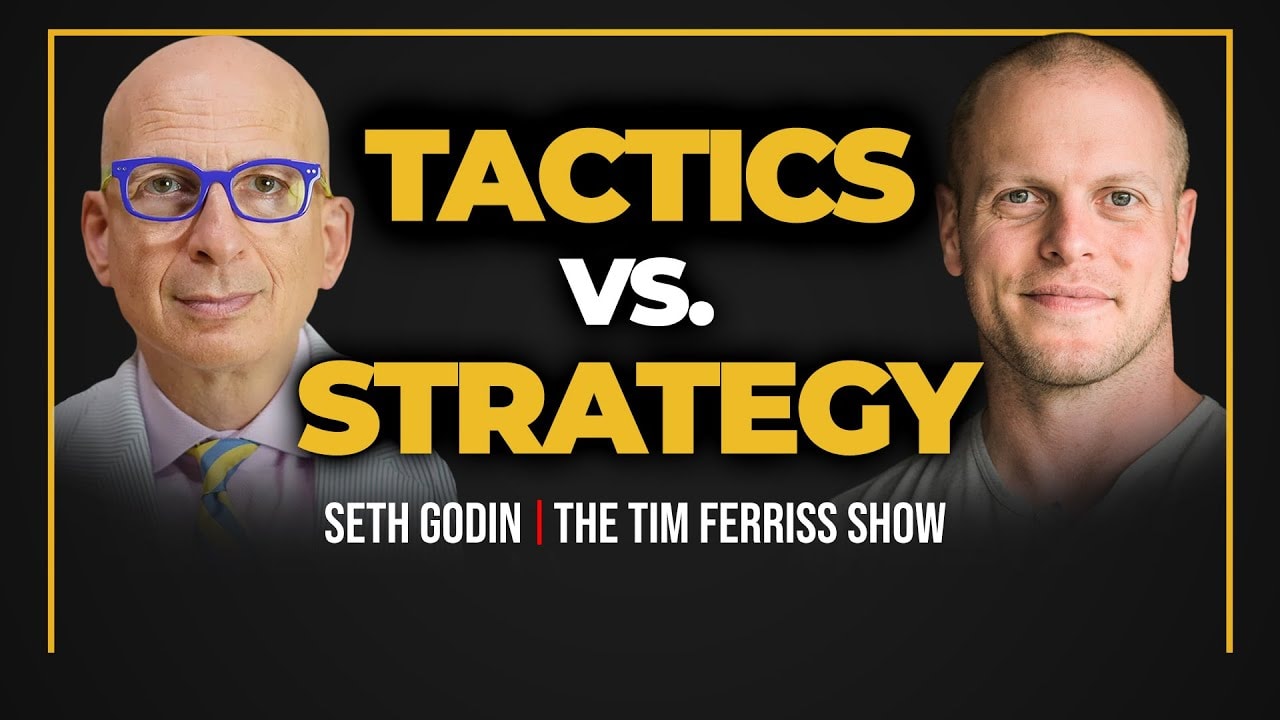
Seth Godin discusses strategy through systems, time, games, empathy and a clearly chosen audience. Selected official transcript coverage excludes political, climate-policy, financial and AI claims, clinical material and unrelated passages. Business examples are his views, not promised outcomes. Untimed editorial topics are not video chapters. Original transcript: https://tim.blog/2025/01/31/seth-godin-strategy-transcript/
The Tim Ferriss Show
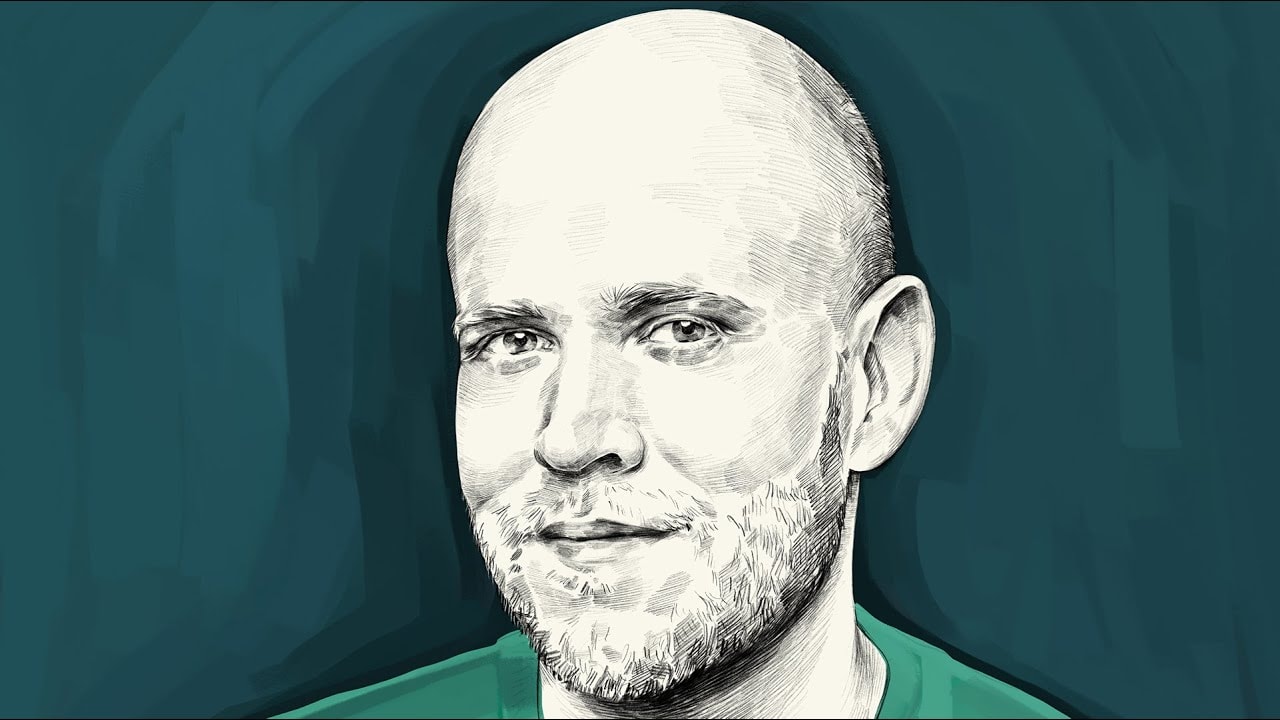
Daniel Ek discusses changing leadership responsibilities, protecting time, designing meetings and working backward from a learning goal. Selected work and organizational passages from the 2020 interview are not current Spotify policy. Health, spirituality, politics, financial and AI claims omitted. Date is this video's YouTube publication date. Untimed editorial topics are not video chapters. Original transcript: https://tim.blog/2020/12/06/daniel-ek-transcript/

The Tim Ferriss Show
Tish Rabe describes ending-first writing, educational goals, rhythm and researching simple explanations for children. Selected official transcript coverage excludes quoted song lyrics and book passages, unverified learning-effect claims, health topics, sales figures and availability advice. Creative accounts are her recollections. Untimed editorial topics are not video chapters.

The Tim Ferriss Show
Kevin Systrom discusses simpler product choices, observing real usage, complementary collaborators and learning through practice. Selected official transcript coverage excludes financial advice, technical implementation instructions, personal topics and current Instagram claims. Historical startup examples are his recollections. Untimed editorial topics are not video chapters. Original transcript: https://tim.blog/2019/04/30/the-tim-ferriss-show-transcripts-kevin-systrom-369/