Find key takeaways from long-form podcast conversations.
Found 21 results across 20 episodes, 1 topics
The Knowledge Project
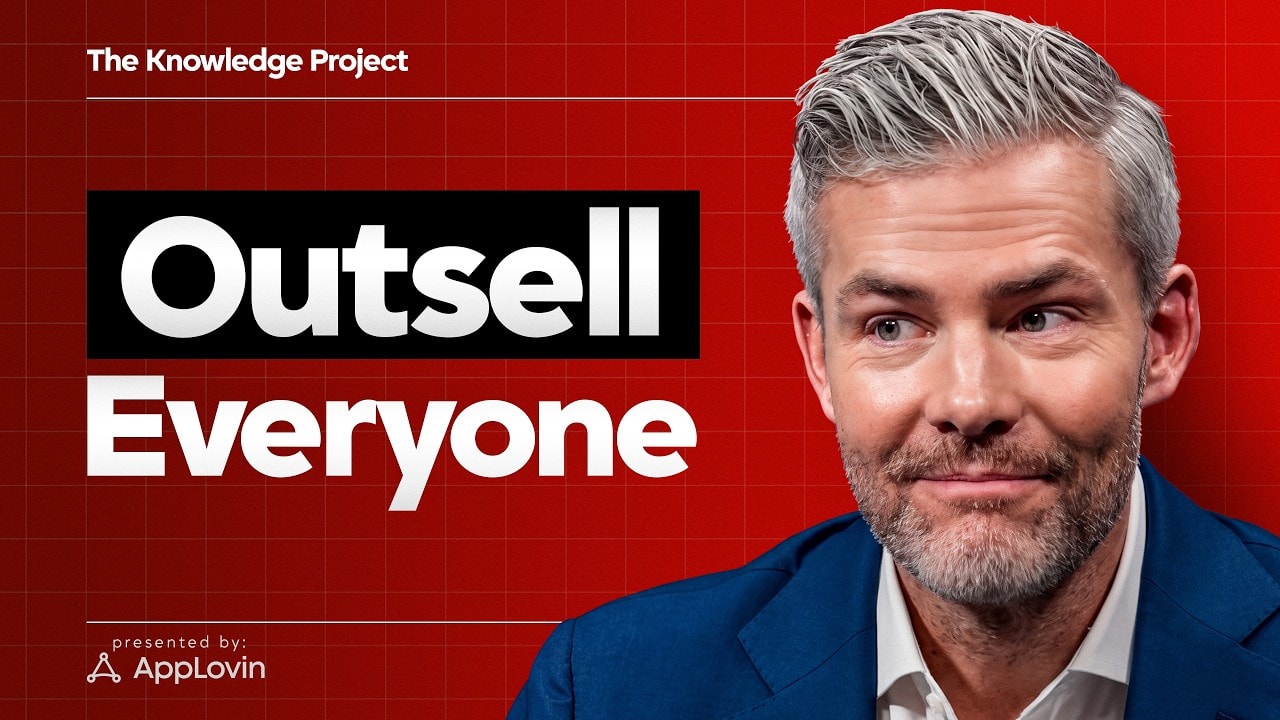
Shane Parrish talks with real-estate broker Ryan Serhant about follow-up, selling an outcome rather than a product, building competence and turning attention into a business. These notes cover selected sales and business passages from the first roughly 50,000 characters of the public YouTube auto-captions. The ending is not covered, sponsor reads and personal client anecdotes are omitted, and the captions may contain errors. These are Serhant's experiences, not promises of financial results.
Modern Wisdom
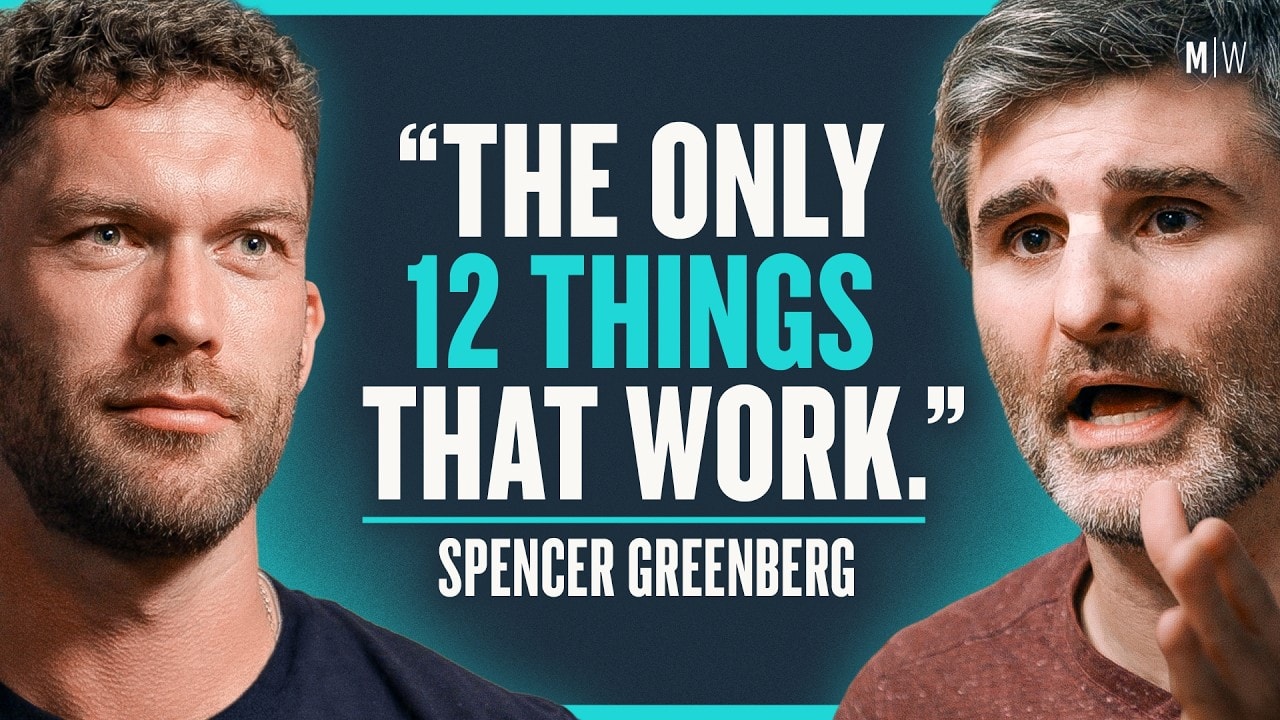
Spencer Greenberg joins Chris Williamson to discuss the recurring strategies behind self-help, the difference between intrinsic and instrumental values, habit reflection and fear. They also examine worry, productivity and activities people are glad they did. The summary attributes study results and self-improvement claims to Greenberg and does not offer mental-health treatment advice.
My First Million
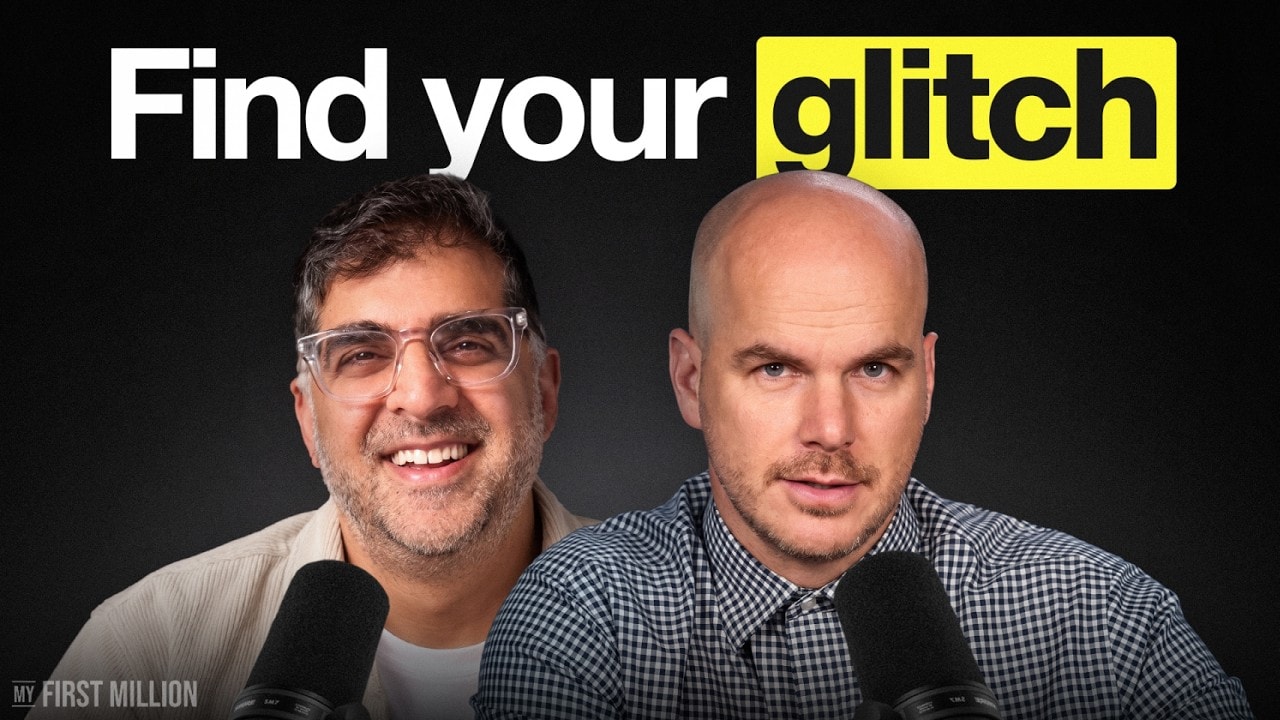
My First Million talks with marketer and Angel Studios co-founder Jeff Harmon about product-led campaigns, overlooked distribution channels and testing many video variations. Harmon describes the Orabrush and Poo-Pourri campaigns and a Kevin James promotion. These notes cover selected marketing passages from roughly 49,700 characters of the YouTube auto-captions, not a complete account of the 63-minute conversation. The ending and AI discussion are not covered. Captions may contain errors, and campaign results are the speakers' claims rather than independently audited figures.
Shopify Masters
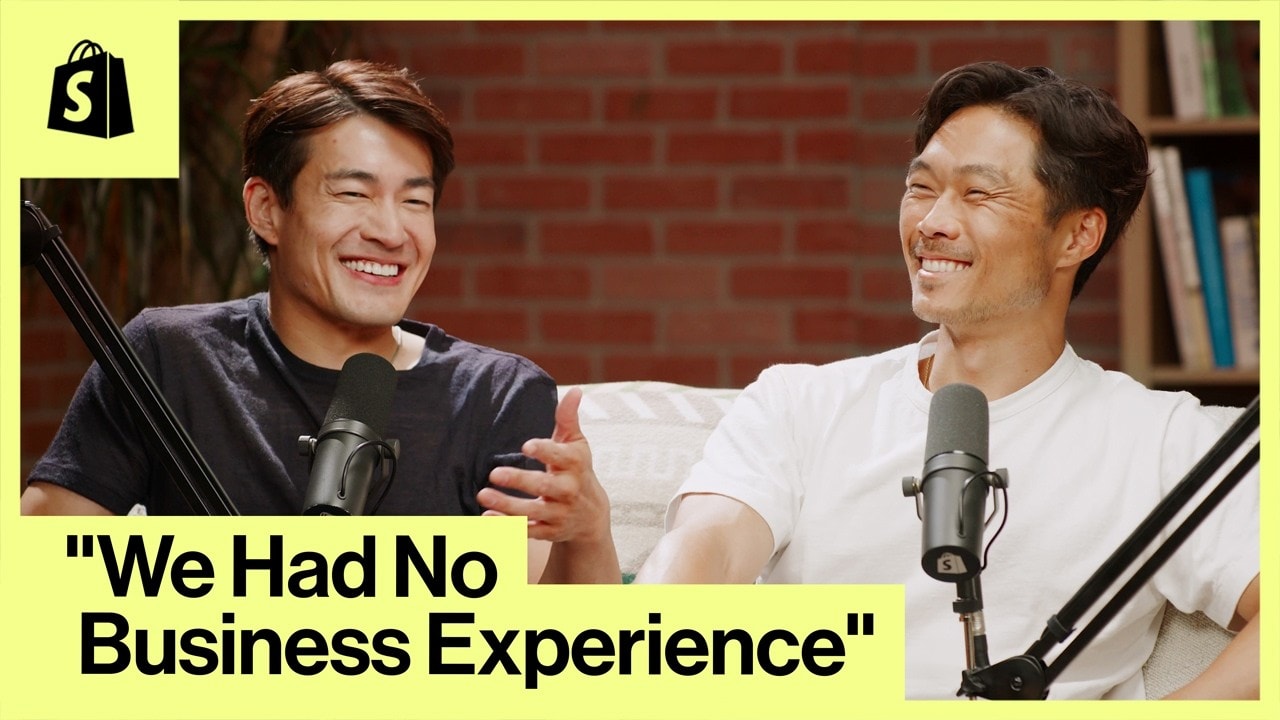
A Shopify Masters conversation with Kent Yoshimura and his co-founder Ryan, who built the Neuro brand of caffeine and L-theanine gum from a dorm-room supplement experiment into a brand sold at Walmart, Whole Foods and Costco. They cover starting a product to solve their own problem, the choice of simple ingredients, why timing and shelf placement mattered in retail, and the lawsuit the episode title refers to. Sponsor: Shopify, named in the show's trial message. PARTIAL COVERAGE: this note covers the opening, a middle section on retail partners such as Costco and Walmart, and parts of the description, and does not cover every part of the roughly 31 minute episode. All business claims are the founders' own account and are not independently checked. This is a summary of their views, not business, legal or health advice.
Shopify Masters
A Shopify Masters conversation hosted by Serena Smith with Bette Bentley, founder of Skimpies, a plastic-free, organic cotton liner for leggings and underwear. Bentley moved from comedy writing and independent film to product making. She talks about creating a new product category, selling live on TikTok for months, the moment that led her to commit to the company, and how she thinks about building community. Sponsor: Shopify, named in the show's trial message. PARTIAL COVERAGE: this note covers the opening, a middle section about her health scare and her decision to go all in, and the close, and does not cover every part of the roughly 39 minute episode. Sales figures and valuations are her own account and are not independently checked. This is a summary of her views, not business or health advice.
David Senra
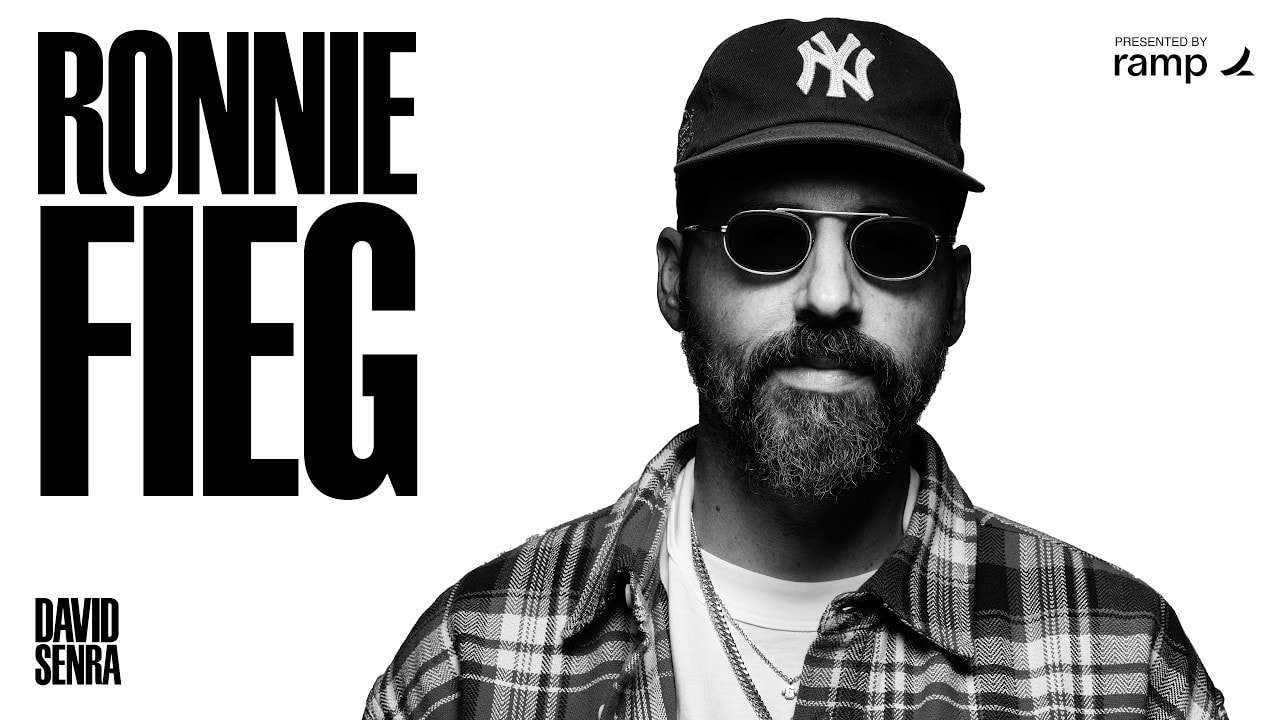
David Senra talks with Kith founder Ronnie Fieg about starting in a sneaker stockroom at 13, designing products he wants to wear himself, learning scarcity on the sales floor and balancing online sales with physical stores. These notes cover selected product, retail and brand-building passages from the official September 27, 2026 transcript, which was generated using speech recognition and may contain errors. Sponsor reads are not covered.
Lenny's Podcast: Product | Career | Growth
A Lenny's Podcast talk recorded live at the Lenny and Friends Summit on September 10, 2026 in San Francisco, in which product leader Marty Cagan shares ten regrets about his product advice since the first edition of his book Inspired in 2008. He says he understated business viability, product leadership and solution discovery, and that predictable roadmaps and process can stop teams learning what customers need. He also argues that outcomes and clear thinking matter even as AI makes building easier. Sponsor: no third-party sponsor is named in the description; the talk is presented by Lenny's Podcast and the Lenny and Friends Summit. PARTIAL COVERAGE: this note is based on the opening, the first regret on business viability, a middle section on why users churn and humility, and the description, and does not cover all ten regrets in the roughly 22 minute talk. All views are Cagan's own.
Lenny's Podcast: Product | Career | Growth
Lenny's Podcast episode in which Lenny Rachitsky speaks with Peter Sellis, the first product manager at Snapchat and later head of product at Discord, recorded while he is between roles. The episode is presented by season sponsor WorkOS. Sellis shares counterintuitive management lessons: designing teams with a clear ideology and decision rights rather than heavy collaboration, investing in top performers instead of average ones, and why he thinks the median product manager provides little value. He explains his view of why Snap struggled to build a bigger ads business despite a billion monthly users, talks about trust and ad formats, and praises SpaceX for cannibalizing its own success. PARTIAL COVERAGE: the captions cover most of the conversation, but this summary highlights the team-design lessons, the Snap ads analysis and the taste discussion only, so segments such as managing Nikita Bier and the lightning round are not summarized. These are Sellis's own opinions from his experience, not independently verified, and nothing here is career, hiring or investment advice.
David Senra
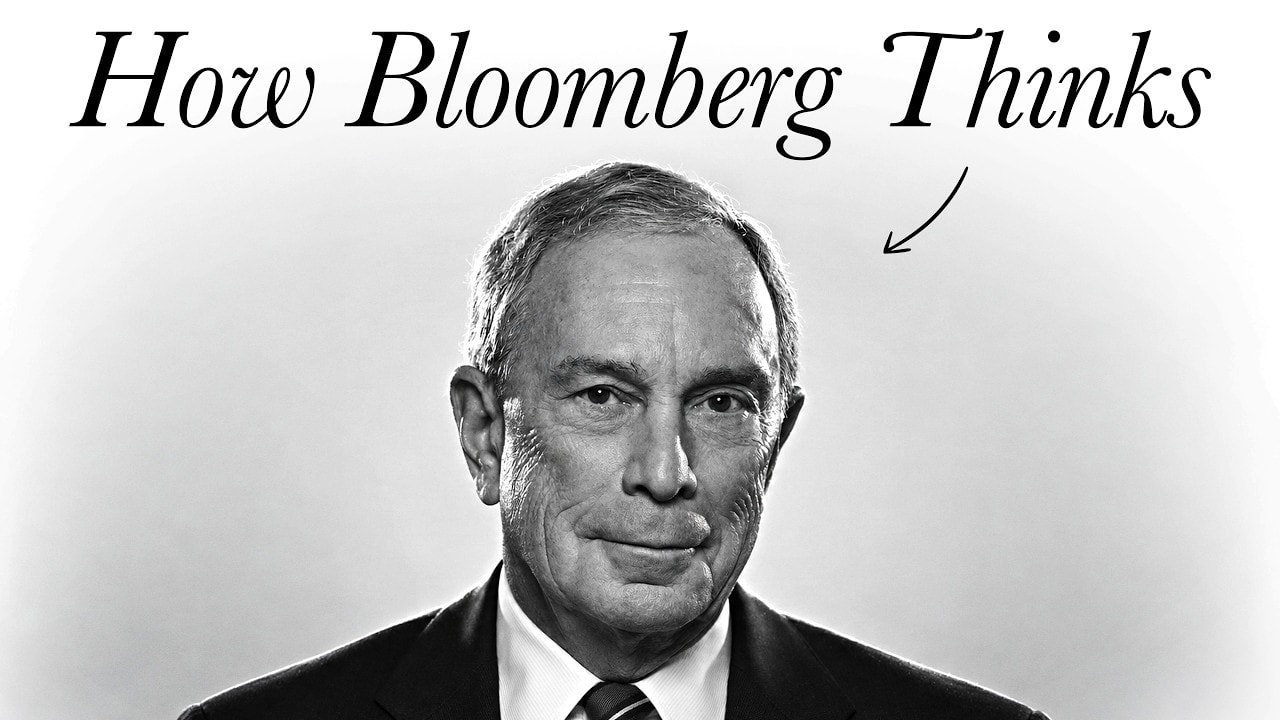
David Senra reads Michael Bloomberg's autobiography: fired from Salomon Brothers with $10 million, starting a company at 39, acting from day one while others planned, knowing the business was information rather than hardware, and why selling is everybody's job. TL;DR Bloomberg was pushed out of the only full-time job he had, started with his own money, and refused to cash in; he says real builders cannot sit still, and that Bloomberg's product was always content, never the terminal hardware. Coverage comes from the first ~49,800 characters, covering most of the 49-minute episode. Sponsor reads appear mid-episode. Details come from machine-generated captions and the guest's own claims; business figures are not independently checked. Topics are untimed; metadata follows YouTube. Source: https://youtubetotranscript.com/transcript?v=1iH5YpzPZi8
The Tim Ferriss Show
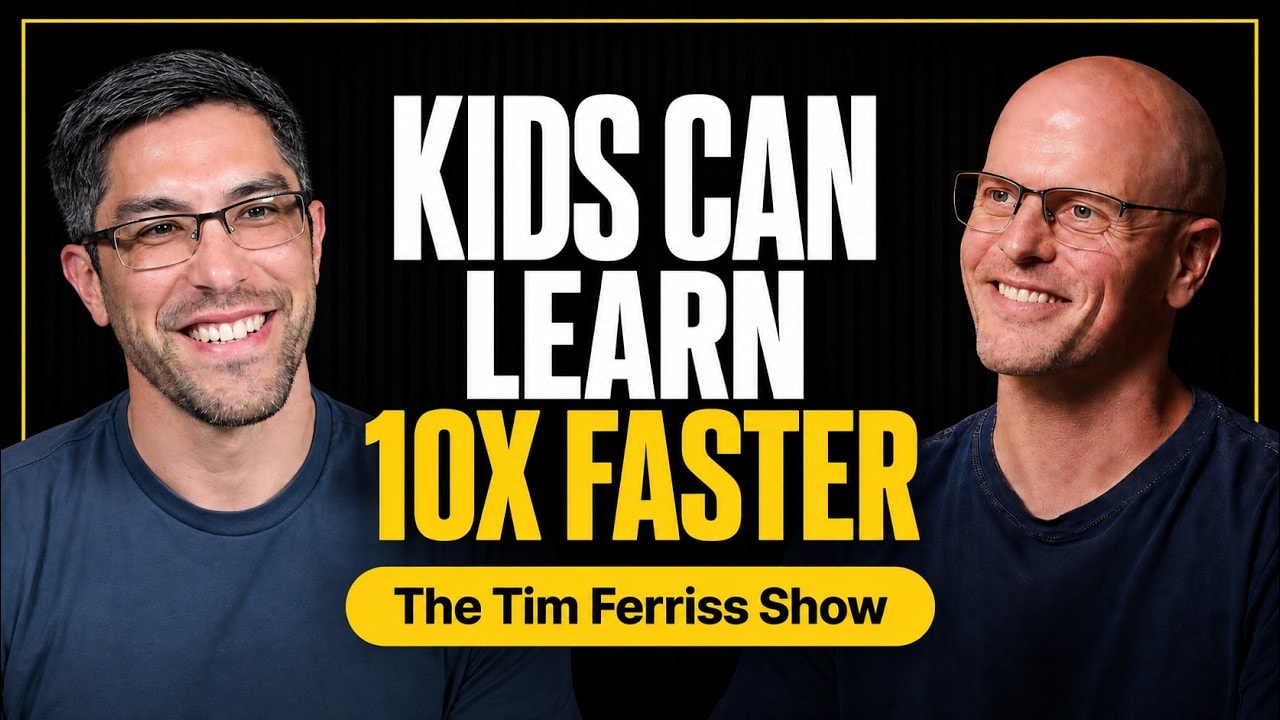
Tim Ferriss Show episode, brought to you by Fin, Shopify and Wealthfront, in which Tim coaches Niels Hoven, founder of Mentava, software designed to let young children learn to read as fast as they are capable of learning. Hoven explains that reading is a solved problem - phonics, well taught - and that Mentava's edge is optimized curriculum plus motivation design, with stories like two-year-old twins reading early-reader books and a kindergartener catching up in weeks. Most of the conversation is a working session: Ferriss advises putting investor asks at the top of updates, asks which channels actually convert (X and word of mouth, not Meta's cheap unqualified leads), critiques homepage mockups, pushes testimonials to do the heavy lifting, suggests a readiness check as a shareable artifact, and argues for congregating the already-converted instead of converting skeptics. PARTIAL COVERAGE: the captions cover most of the conversation, but this summary highlights the product logic and the marketing coaching only, so tangents and the lightning exchanges are not summarized. These are the participants' own views and claims, not independently verified, and nothing here is educational, developmental or investment advice for your child.
Think School: Indian Business Podcast
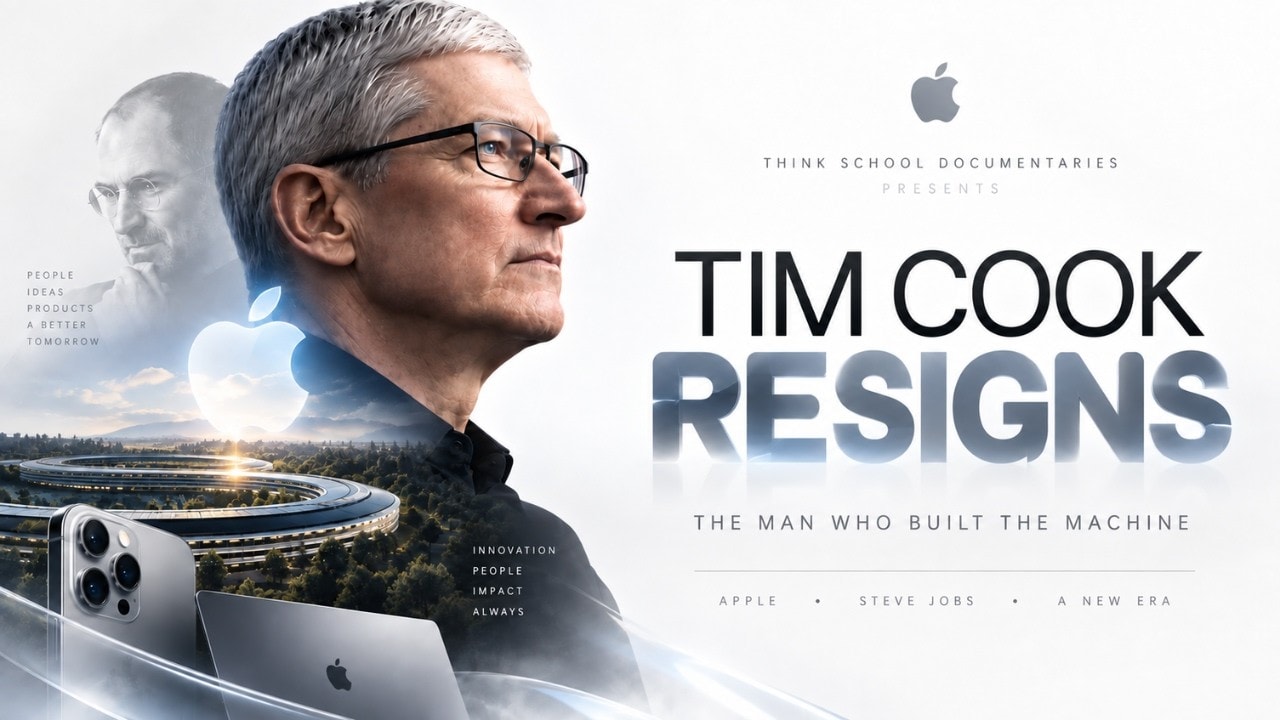
A Think School case study on how Tim Cook, a supply-chain executive seen as a boring replacement for Steve Jobs, grew Apple's market value from about $350 billion to a figure the narrator puts at $4.7 trillion. The narrator explains Apple's cash problem in the 1990s, why Cook joined, how cutting product families and parts rebuilt the supply chain, and the lesson about systems over genius. Sponsor: Vested, a platform for investing in US stocks from India, named in a mid-roll read and in the description. PARTIAL COVERAGE: this note covers the opening, the Vested read, Apple's cash problem and Cook's hiring, the product and component cuts, and the closing lesson, and does not cover every part of the roughly 21 minute video. Market value, revenue and return figures are the narrator's own and are not independently checked. This is a summary, not investment advice, and the sponsor read is an advertisement.
Shopify Masters
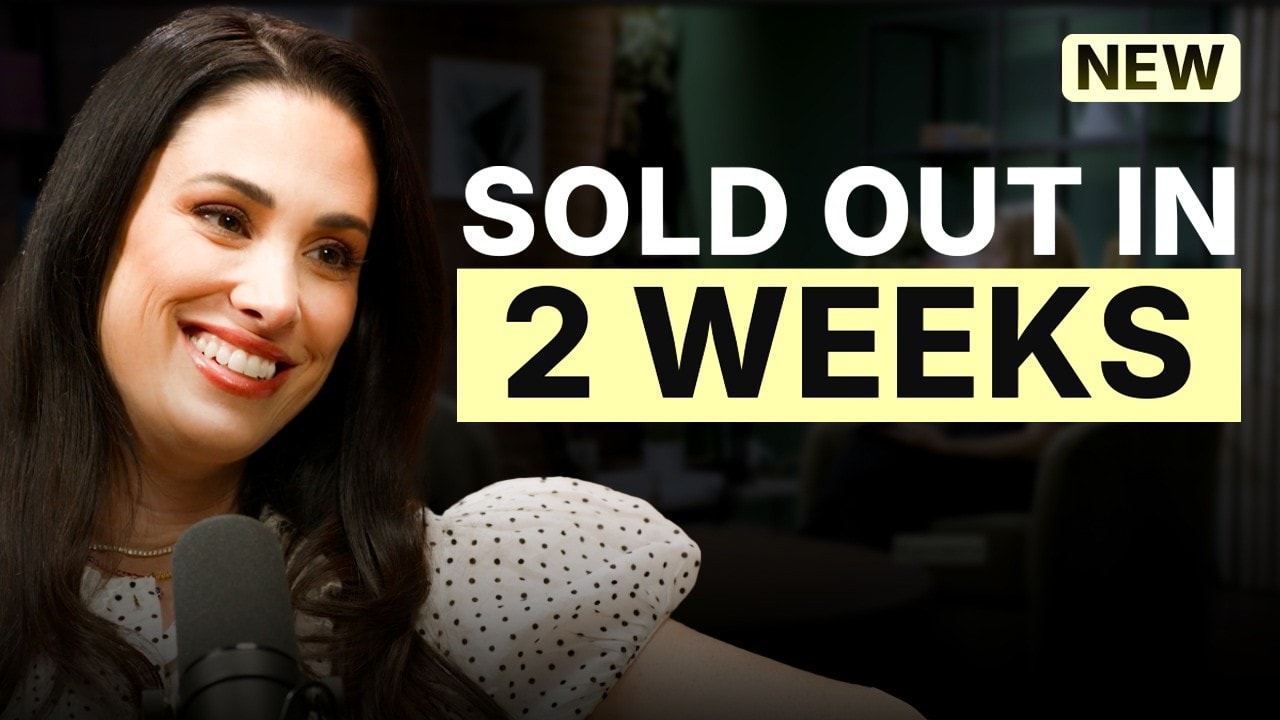
Little Sleepies founder Maradith Frenkel describes moving from film production into baby and kids sleepwear, testing a first production run for less than $20,000 and growing through customer recommendations before hiring for marketing. She discusses comparing factory samples, responding to defective inventory, a costly 2021 air-freight rescue and handing operations to a professional CEO. Notes cover selected business passages from the full public auto-captions, checked against official Shopify show notes. The episode date is the September 8, 2026 YouTube release; the official article followed on September 9. Names follow that official page. The $12 million figure describes the business before her first marketing hire, not current audited revenue. This is a founder-business account, not medical advice; the charter-flight story describes a risky exception, not a routine purchasing recommendation.
My First Million
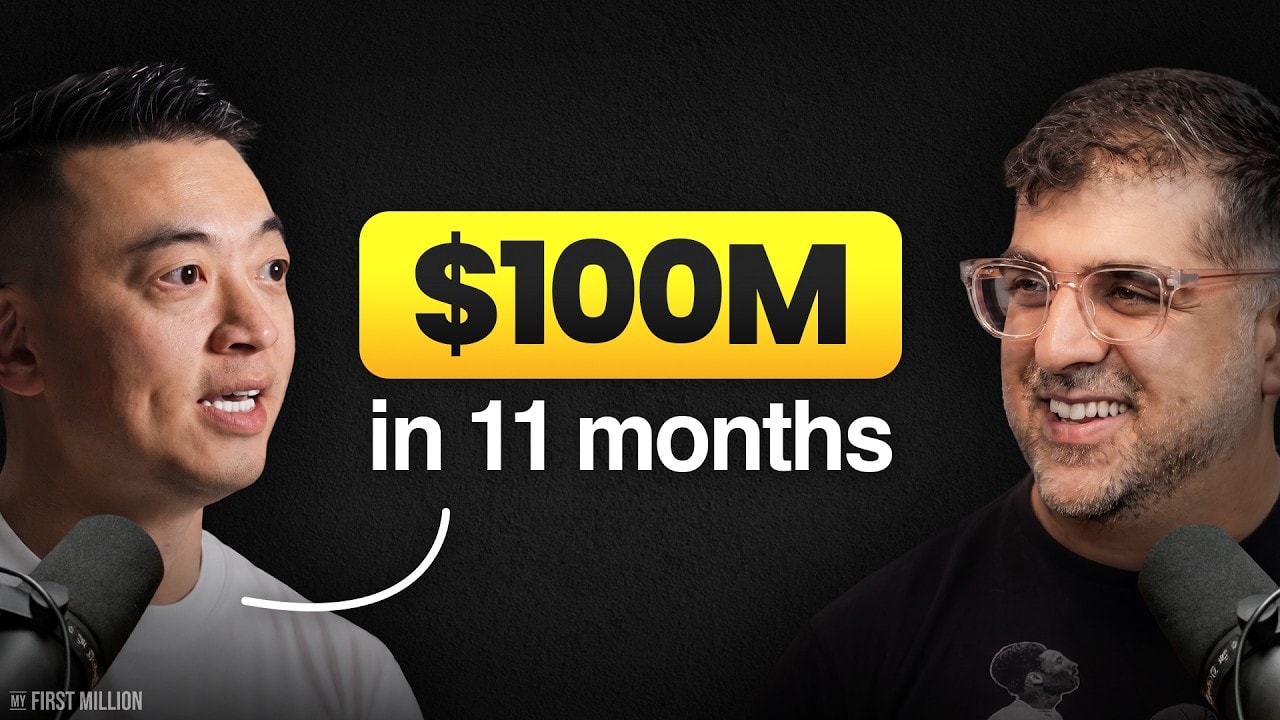
My First Million episode 859, where host Shaan Puri interviews Danny Yeung about building the supplement brand IM8 to what he says is a 200 million dollar run rate in 18 months. Yeung recounts a telemarketing start at 15, a restaurant, a hotel furniture import business, a Hong Kong group-buying company that Groupon part-acquired, the DNA and COVID testing company Prenetics, its NASDAQ listing and 95 percent revenue drop, and the launch of IM8. Sponsor: the description links HubSpot, with IM8 as the guest's own brand. PARTIAL COVERAGE: this note is based on the opening, the full career story up to the COVID crash, and the description, and does not cover the IM8 growth tactics, events, or the AI section in detail of the roughly 52 minute episode. All figures and product claims are the speakers' own and are not independently checked. Nothing here is medical or financial advice.
Figuring Out with Raj Shamani
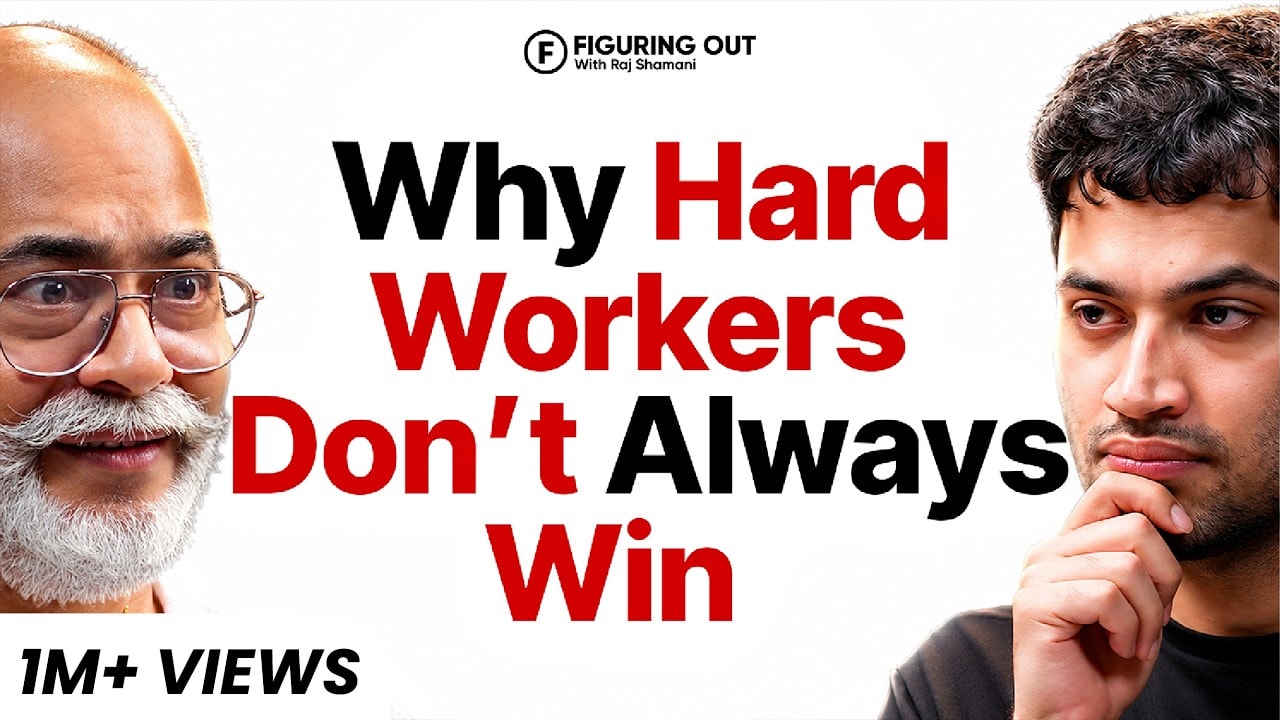
Sauvik Banerjjee discusses execution, accountable teams, dated commitments, clear product notes and respectful disagreement with leaders. Selected workplace coverage; AI demo, later AI discussion and personal-loss passages omitted. Auto-captions have recognition errors and no speaker labels; attribution follows the question-and-answer context. Advice and company examples are his views, not universal rules or verified current policies. Untimed topics are not video chapters. Source: https://www.youtube.com/watch?v=XwawXRaNfzM
Figuring Out with Raj Shamani
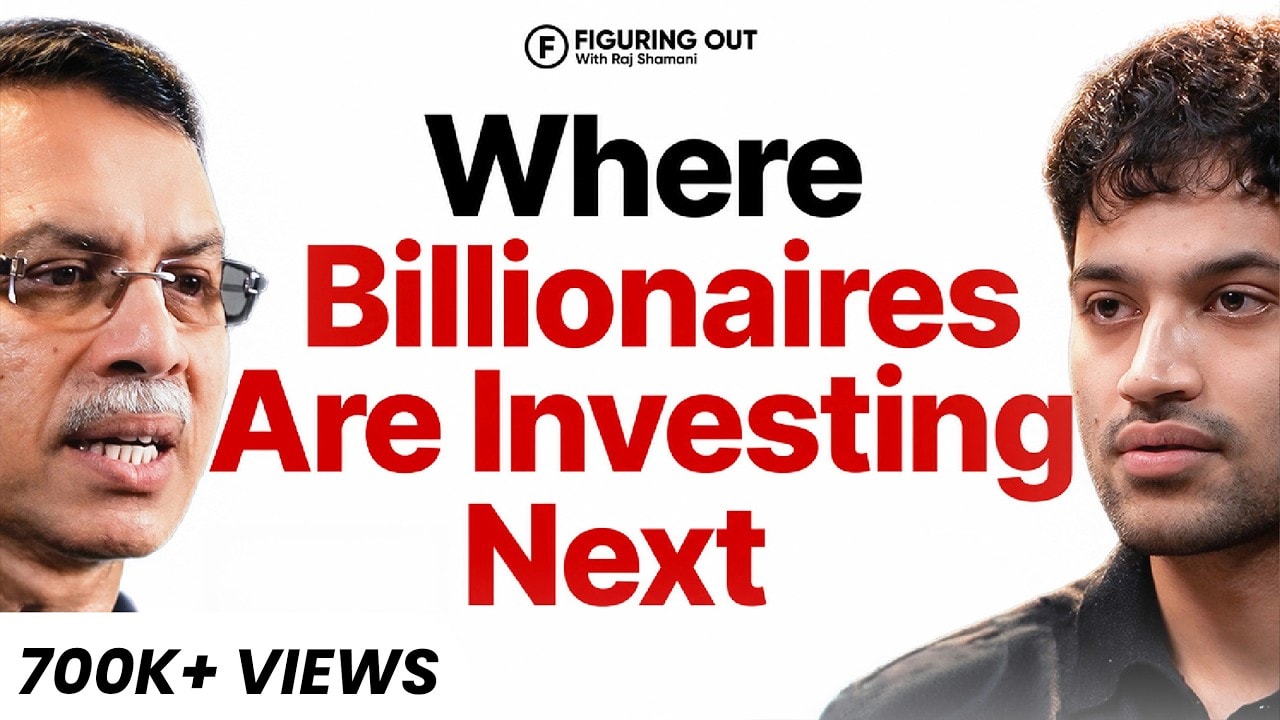
Sanjiv Goenka discusses finding business problems, filtering ideas, a path to profits, changing a team's belief and adapting a family business over time. Selected business passages only. Clinical-product claims, politics, legal disputes, personal loss and unrelated passages omitted. YouTube auto-captions have no speaker labels and recognition errors; attribution follows the question-and-answer context. Financial and company claims are his account, not investment advice. Untimed topics are not video chapters. Source: https://www.youtube.com/watch?v=JWPrgCbUwC8
Think School: Indian Business Podcast
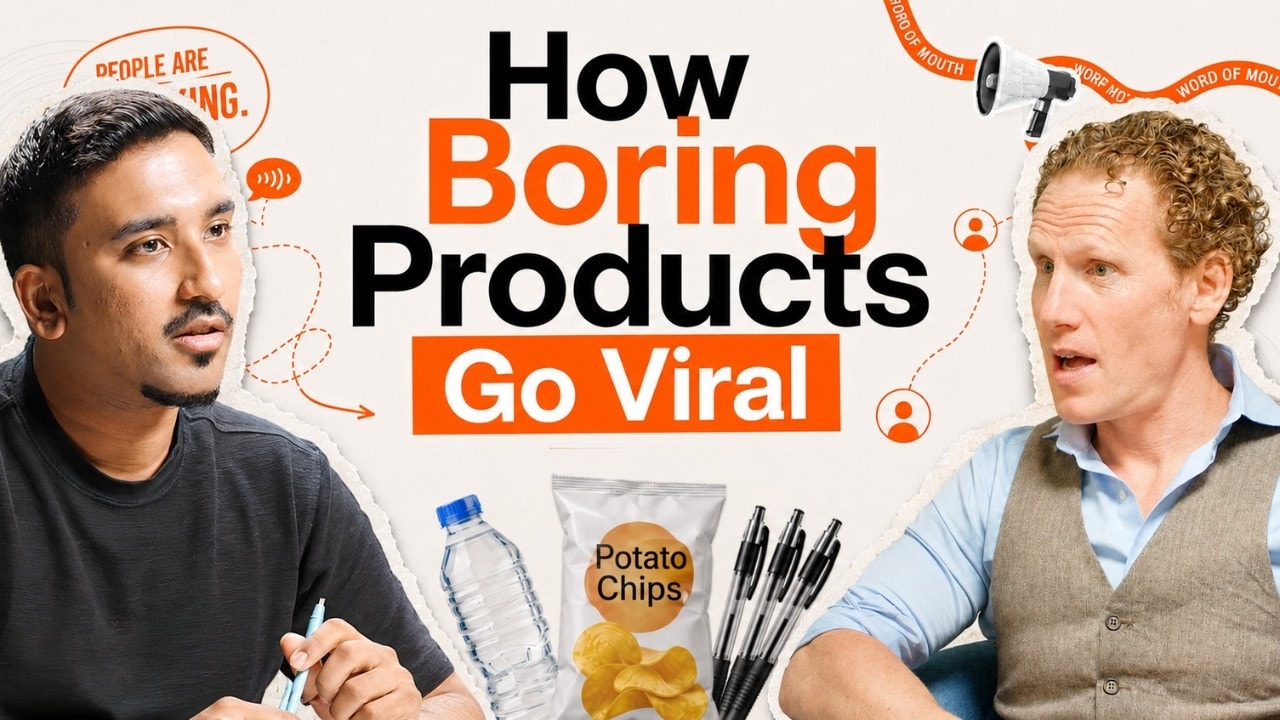
Jonah Berger and Ganesh Prasad discuss word of mouth, visible product benefits and everyday reminders that help customers share and remember a brand. Selected coverage from approximately the first 50,000 characters of third-party English captions, not the full episode; the unseen ending is not summarized. Historical campaign results are interview claims, not independently verified figures or guarantees of virality. Unsafe demonstrations and health-product efficacy examples are not recommendations. Captions contain errors and no named speakers; attribution follows the exchange. Topics are untimed; metadata follows YouTube. Source: https://youtubetotranscript.com/transcript?v=wPQez8ft91g
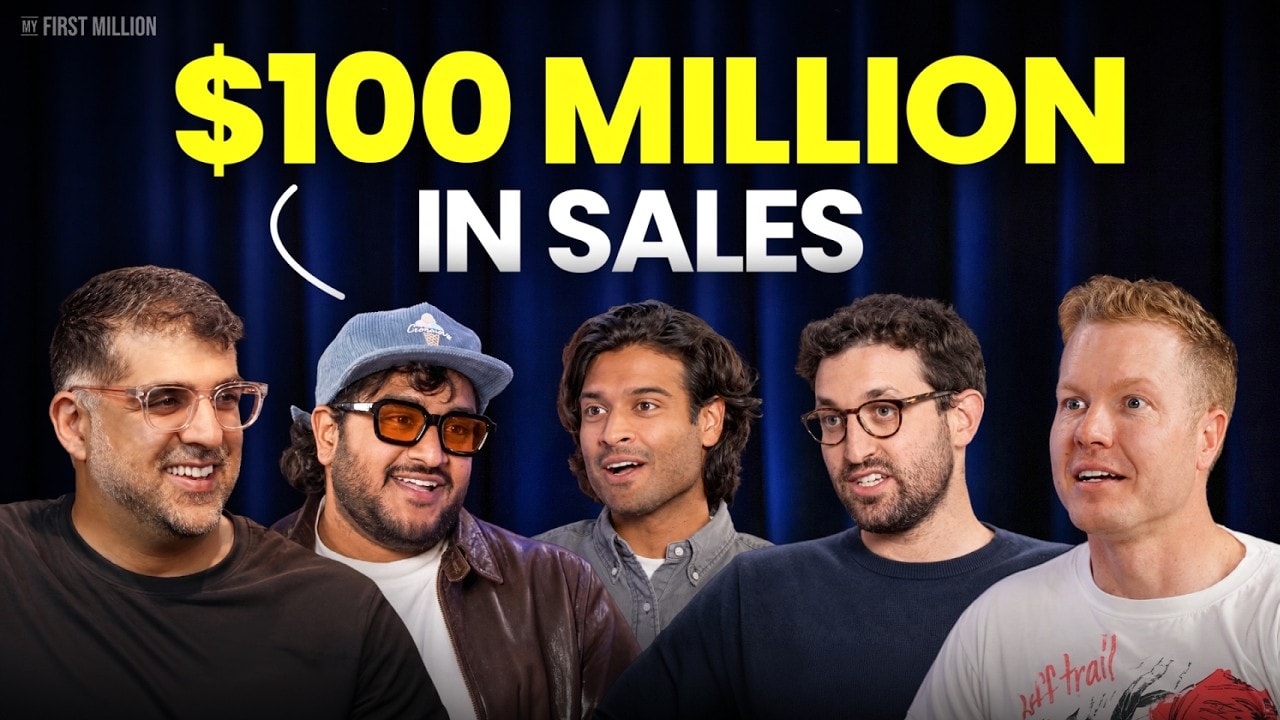
My First Million
My First Million episode 854, where hosts Sam Parr and Shaan Puri hear three founders pitch their juiciest number and give live advice. The video description lists Rishi Talati of Hot Plate, Ajay Mehta of Tolan and Jonathan Baer of Overlap. This note covers mainly the Hot Plate segment: a platform that lets independent food sellers take pre-orders from their Instagram audience, which the founder says has powered over 100 million dollars of sales, plus the hosts' advice in a later section about selling a feeling rather than a product. Sponsor: the description links HubSpot and promotes Hampton, Somewhere and Mercury. PARTIAL COVERAGE: this note is based on the opening Hot Plate pitch, one middle section of advice and the description, and does not cover the Tolan or Overlap segments or the full 58 minute episode. All business figures are the speakers' own claims and are not independently checked.
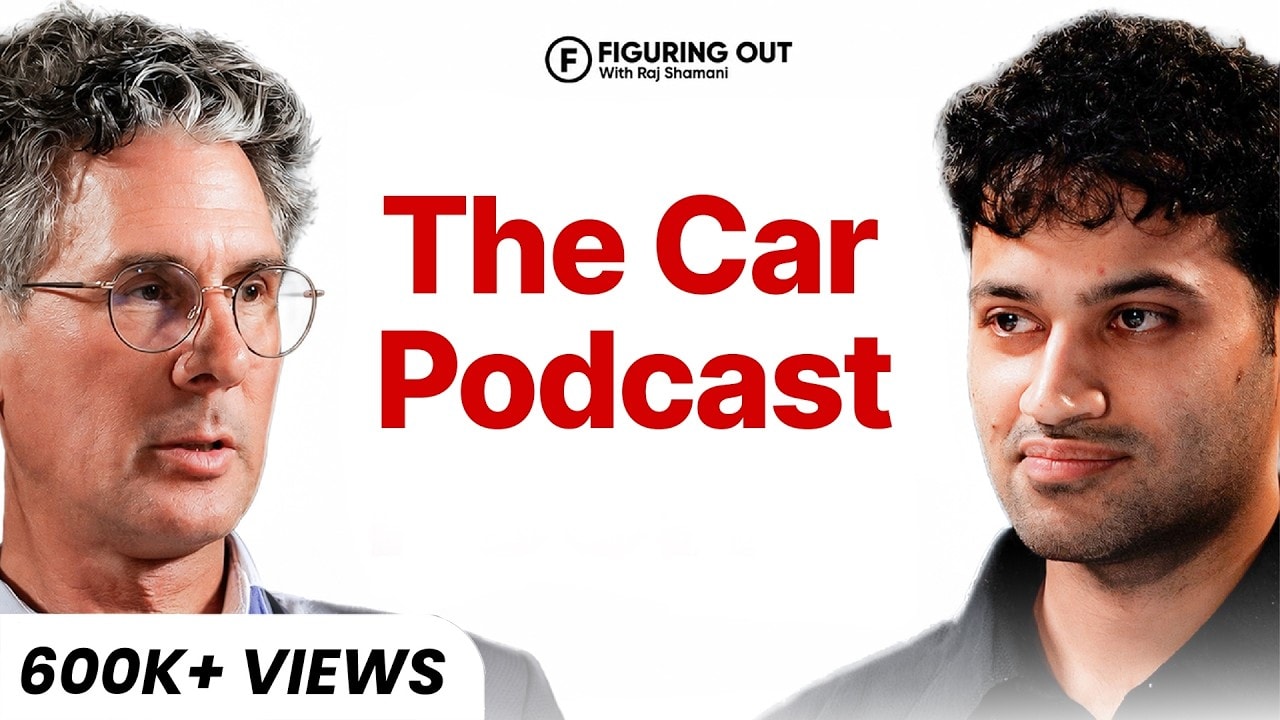
Figuring Out with Raj Shamani
Frank-Steffen Walliser talks with Raj Shamani about car design, clay prototypes, sensory details, door acoustics and brand heritage. The Bentley executive offers a commercial and personal perspective on craftsmanship and emotion, not an independent product comparison or verified safety assessment.
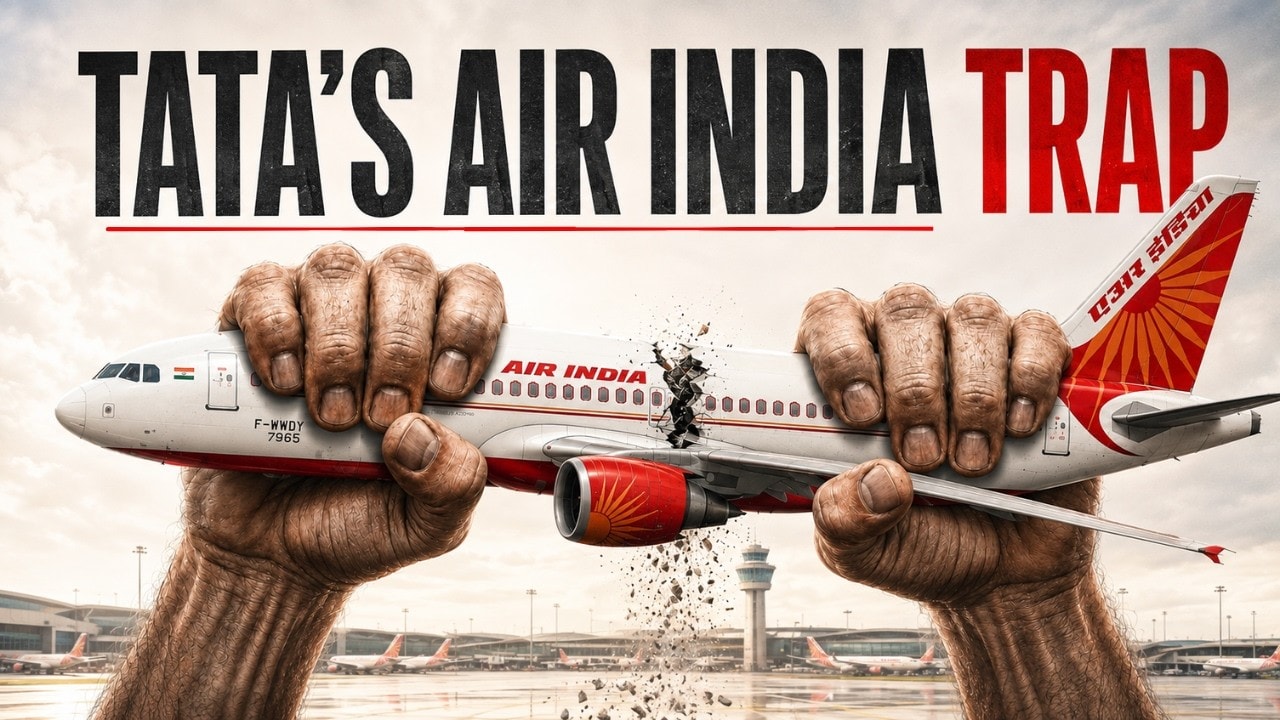
Think School: Indian Business Podcast
Think School investigates how Air India, bought back by the Tata Group, went from losing 19.2 crores a day under government ownership in FY21 to losing 42 crores a day in FY26 - despite Tata and Singapore Airlines infusing 9,558 crores, a 3,300 crore aircraft refit program, and the largest aircraft order in aviation history (470 aircraft). The video traces four traps: the Pakistan airspace closure after Operation Sindoor, which adds 2,500 km and 4.5 hours to Delhi-Chicago and has cost an estimated 4,000 to 5,000 crores; the product lottery created by merging Vistara into Air India; a hardware trap in which certified business-class seats come from a handful of suppliers and the $400 million retrofit is running two years late; and a 69-year-old inherited operating system, with Lok Sabha data showing 137 of 166 Air India aircraft having recurring defects. It closes with new CEO Tewolde GebreMariam's plan to turn Delhi into a sixth-freedom global hub on the Emirates model. FULL COVERAGE: the captions appear to cover the entire episode. All figures are as stated by the channel, not independently verified. Sponsor: Odoo. Nothing here is investment advice.

Shopify Masters
A Shopify Masters conversation with Tessa Cohen and Sarah Sebastian, co-founders of Benji, a bandage brand that launched at Coachella and sold out in its first week. They talk about how a wedding-day blister led to the idea, why launch took far longer than planned, the product formula, personalised influencer boxes and co-founder chemistry. Sponsor: Shopify, which presents the show. PARTIAL COVERAGE: this note covers the intro, the origin story, launch timing, and the personalised influencer box section, and does not cover every part of the roughly 35 minute conversation, including most of the Coachella and co-founder sections. Claims about the product, sales and ingredients are the founders' own and not independently checked. This is a business summary, not medical advice.