Find key takeaways from long-form podcast conversations.
Found 33 results across 30 episodes, 2 podcasts, 1 topics

Hosted by Steven Bartlett
The Diary Of A CEO is a long-form interview podcast hosted by Steven Bartlett. Candid conversations with entrepreneurs, authors, scientists, leaders and cultural figures explore business, psychology, health, relationships, personal growth and the ideas shaping modern life.

Hosted by Chris Williamson
Chris Williamson hosts conversations about self-improvement, psychology, culture and the ideas that shape everyday life.
My First Million
My First Million episode 870, in which host Shaan Puri tells three stories of embarrassment and what he took from each: a personality test result after he sold a company, a failed pitch to a restaurant-industry figure that left him feeling pitied, and a personal story that led to starting his podcast. Sponsor: HubSpot, named in the episode description. PARTIAL COVERAGE: this note covers the first story in detail, part of the second story about a failed pitch, and the closing, and does not cover every part of the roughly 22 minute episode, including most of the third story. Puri's account of the test and of his own traits is his personal view and is not a psychological assessment. This is a summary of his storytelling, not medical, mental-health or business advice.
Figuring Out with Raj Shamani
Raj Shamani asks author Robert Greene how presence, restraint and absence shape influence. Greene discusses the psychology of attraction, the difference between loving a fantasy and knowing a real person, and the years of effort behind his books. These notes describe his ideas about power and human behavior, not universal rules or a license to manipulate others.
Figuring Out with Raj Shamani
Figuring Out episode FO543 in which Raj Shamani speaks with Sunil Bajpai, chief trust officer of Tanla Platforms and a 30-year Government of India veteran who wrote the anti-spam rules at TRAI, about why fraud calls work on smart people. Walking a board of real cases, Bajpai shows the same elements every time: a friendly authority figure, a problem, urgency, and an irreversible action, from the 7-crore digital arrest of a Padma Bhushan textile owner to the fake emergency that cost a mother her life. He explains the scam industry's supply chain - data procurement for a rupee or two per number, toolkits, voice cloning, distribution by SMS and social media - the sunk-cost psychology that keeps victims paying, and the perverse incentives, from toll-booth telecoms to inaction having no consequence, that let the industry reach about 1 trillion dollars a year. His defense advice is simple: hang up. This episode features the guest's own company and carries no separate sponsor read. PARTIAL COVERAGE: the captions cover most of the conversation, but this summary highlights the scam mechanics and defenses only. These are the guest's figures and views, not independently verified; consult official channels if you receive such a call.

Figuring Out with Raj Shamani
A Figuring Out with Raj Shamani conversation with Chris Williamson, host of the Modern Wisdom podcast, about the mindset of champions, vulnerability, status, strategically managing suffering and why outsiders often win. Sponsor: Gobo, a travel partner named at the start. PARTIAL COVERAGE: the episode runs about 144 minutes and the available caption text is cut off, so this summary covers roughly the first third and the opening teaser, with some jumps within it, and not the rest. Williamson's views on attraction and on his drink business are his own and are not summarised here as fact. This is a summary of his views, not medical, psychological or financial advice.
Think School: Indian Business Podcast
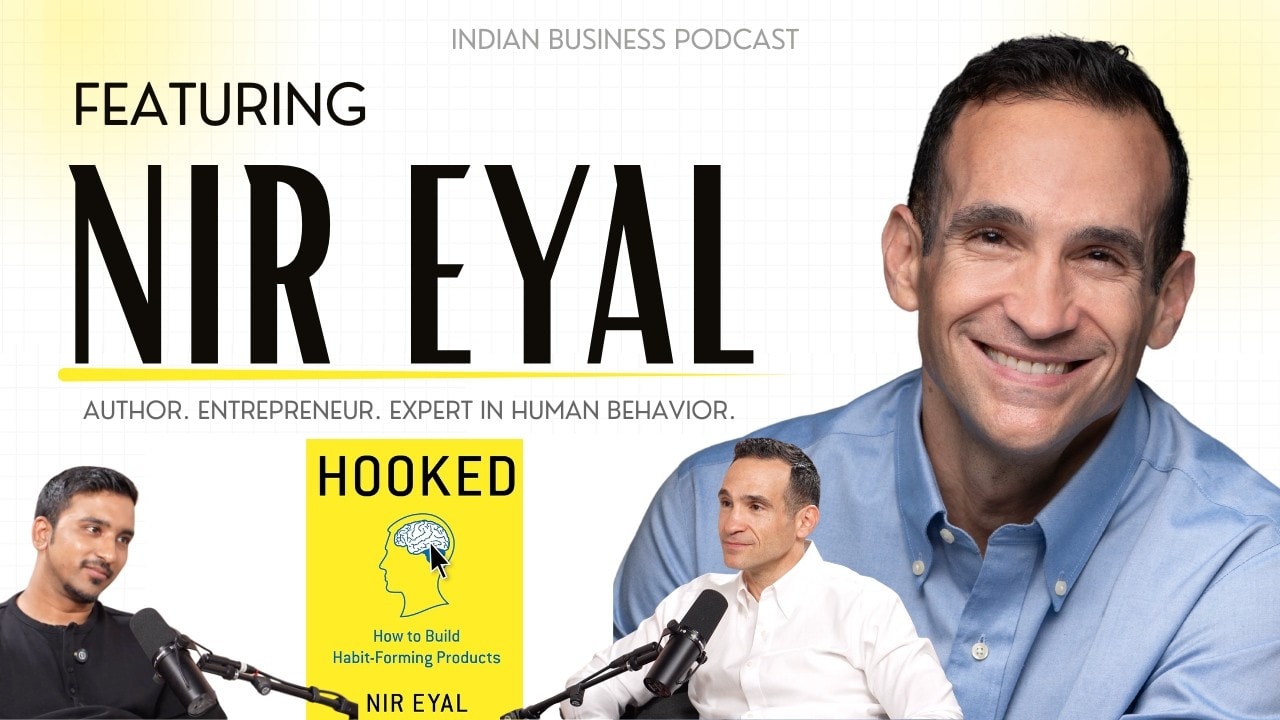
A Think School conversation with Nir Eyal, author of Hooked, on why consumer startups with good products fail and how to build products people come back to using the Hook model (trigger, action, variable reward, investment). PARTIAL COVERAGE: the episode runs about 69 minutes and the available caption text is cut off, so this summary covers the first part, including the Fitbod case study, and not the final section. Examples and figures are the speakers' own claims and are unverified. This is a summary of Eyal's views, not advice.
Lenny's Podcast: Product | Career | Growth
Lenny's Podcast episode, presented by season sponsor WorkOS, in which Lenny Rachitsky speaks with Nikhyl Singhal, former Meta and Google executive, four-time founder and leader of the Skip communities for product leaders, about the changing product manager career. Singhal describes the old PM role as moving information with responsibility without authority, and says builders are now having the time of their lives while the information mover becomes a dinosaur. He cites his job market report showing the most open PM roles globally in over three years, predicts companies shedding and rehiring smaller builder-heavy staffs, and explains why mid-career people in their power years find reinvention hardest - the exhaustion, the moving target, and the shadow superpower of having mastered the old game. His core advice: cross the mental threshold, find the joy of building by solving your own problems with agents, and stay modern. PARTIAL COVERAGE: the captions cover most of the conversation, but this summary highlights the job market read, the reinvention psychology and the tactics only, so the lightning round is not summarized. These are Singhal's own views and survey observations, not independently verified, and nothing here is career or financial advice.

My First Million
My First Million episode 799, in which Sam Parr and Shaan Puri talk with Starter Story founder Pat Walls about selling his company to HubSpot and about business ideas he has seen lately. Pat says the deal had not yet closed at recording, describes the psychology of waiting for it to be signed, closed and wired, and says that of 12 founders he talks to each week, about six are doing well with iPhone apps, such as one that blocks scrolling until you do push-ups. He explains how Starter Story builds each video around one big idea, why he built his company around asynchronous systems rather than urgency culture, and tells the story of a think week where he concluded that he is his own greatest obstacle. Sponsor named in the description: HubSpot, which was buying the guest's company. PARTIAL COVERAGE: this note draws on the opening, app ideas, video format, systems and think week sections, and may miss parts of the roughly 47 minute video. Revenue figures and deal details are the speakers' own claims and not independently checked. Nothing here is financial, investment or legal advice.
Modern Wisdom
Morgan Housel on spending, identity, independence, purpose and the comparison trap. Selected early discussion, not the later inheritance, housing, parenting or storytelling sections. Anecdotes and generalizations are his perspective, unverified here; not investment advice. Untimed editorial topics are not video chapters.
My First Million
My First Million episode 775 in which hosts Sam Parr and Shaan Puri talk with Ryan Deiss about building systems so a business runs without its founder. Ryan says the more valuable you are, the less valuable the company is, and describes a four step process: establish defaults, identify constraints, map business processes, and use a high output team canvas. He says every business makes, sells and fulfills, and that problems are either supply or demand constraints. Sponsors and promotions named in the description: Somewhere and Mercury, plus Ryan's Scalable operating system link. PARTIAL COVERAGE: the captions cover the conversation, but this summary highlights the four step process and common ideas only, so the later segments on mistakes, Scalable and the psychology of money are not fully summarized. All views are the speakers' own and are not independently verified. Nothing here is financial, legal or investment advice.
The Diary Of A CEO with Steven Bartlett
Alison Wood Brooks on the conversational compass, everyday nerves, apologies and kindness. Selected coverage only, not the full TALK framework, neuroscience or negotiation sections. Research claims are her unchecked account. Untimed editorial sections are not video chapters.
Think School: Indian Business Podcast
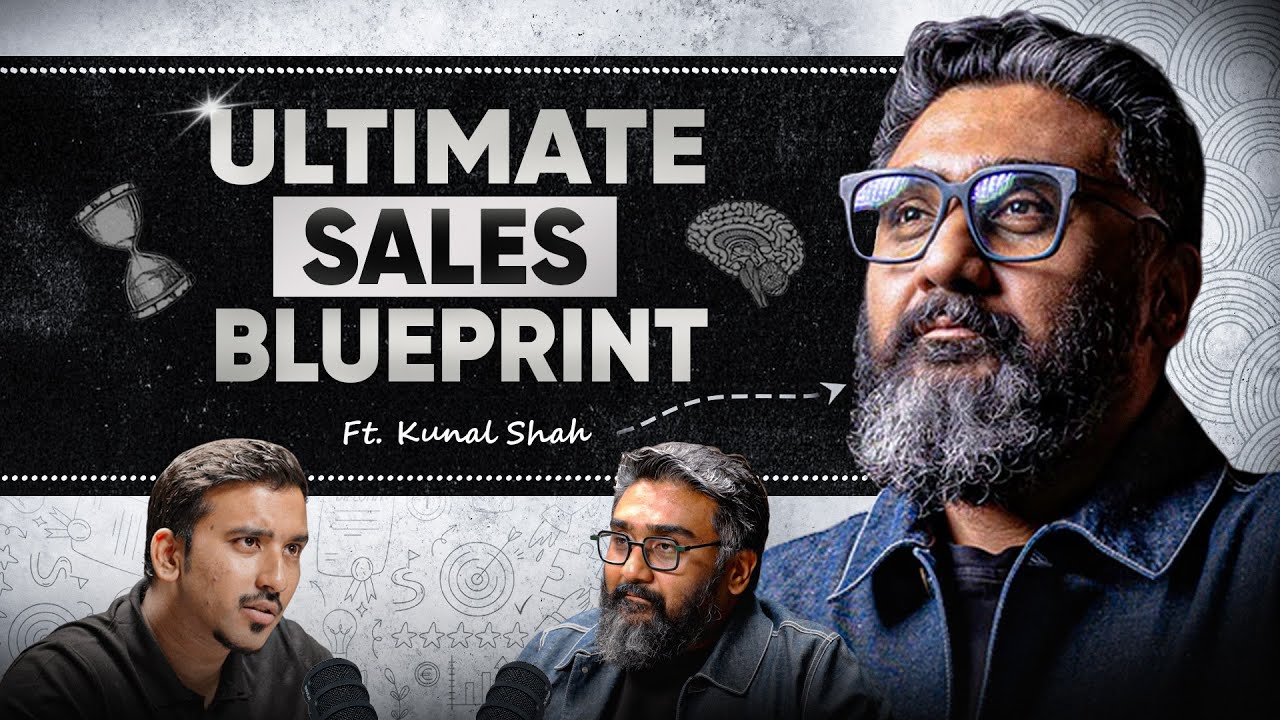
Kunal Shah and Ganesh Prasad discuss sales learning, useful feedback and making company values visible in hiring and everyday decisions. Selected business coverage from approximately the first 50,000 characters of third-party captions, not the full interview; the unseen ending is not summarized. Later AI remarks, broad psychological generalizations, manipulative sales tactics and promotional pitches are omitted. Commercial anecdotes are guest accounts, not independently checked. Captions contain errors and no named speakers; attribution follows the exchange. Topics are untimed; metadata follows YouTube. Source: https://youtubetotranscript.com/transcript?v=gLeMTK3PeC8
Modern Wisdom
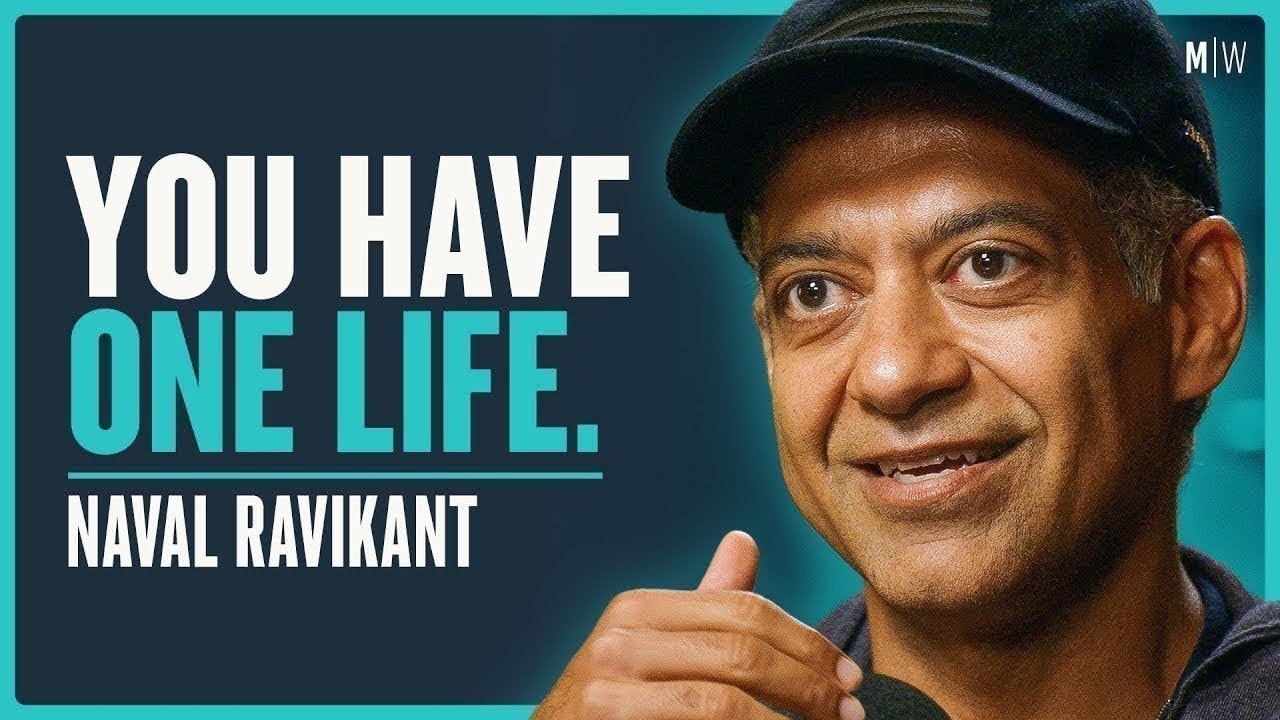
Naval Ravikant and Chris Williamson discuss happiness, desire, fame, changing one’s mind and cooperation. These notes cover the early part of the conversation, not its later parenting and culture-war sections. Ravikant’s reflections are personal philosophy, not established psychological findings or guarantees of fulfillment.
Dwarkesh Podcast
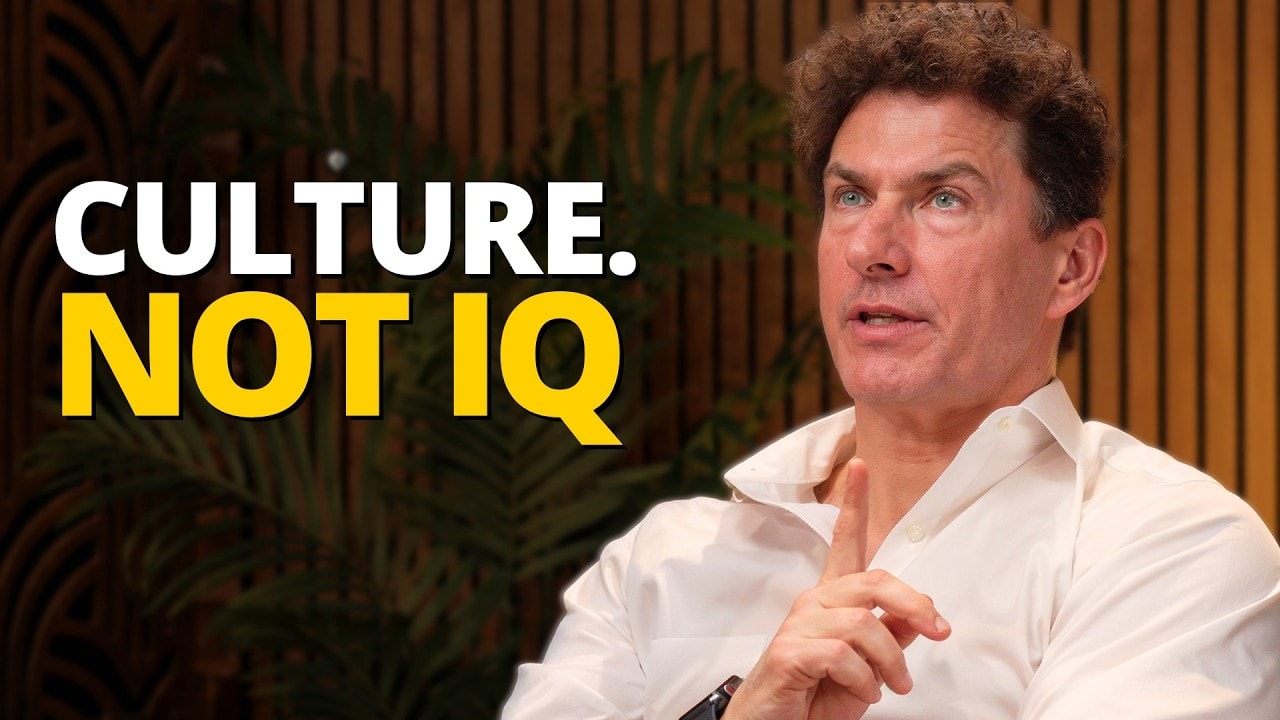
A Dwarkesh Podcast conversation with Joseph Henrich, professor of evolutionary biology at Harvard and author of The Secret of Our Success and The Weirdest People in the World, on how cultural evolution let humans out-compete smarter species, how brain size changed, and why some societies became so psychologically distinctive. PARTIAL COVERAGE: the episode runs about 113 minutes and the available caption text is cut off partway through the Weirdest People thesis, so later topics are not covered. These are Henrich's research arguments and opinions, summarised here without endorsement.
Think School: Indian Business Podcast
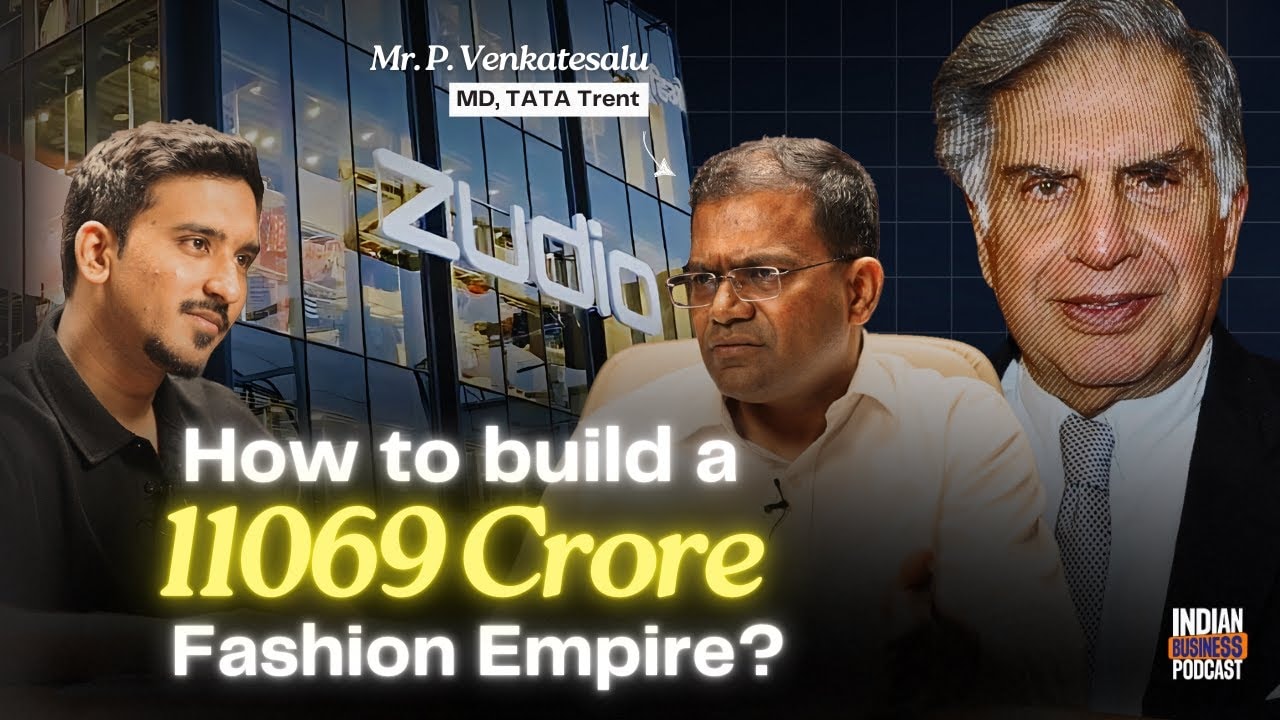
A Think School Indian Business Podcast interview, hosted by Ganesh, with a senior executive of Trent (the Tata group retail company behind Westside, Zudio and the Zara joint venture); the guest's name is not clear in the captions. The guest traces Trent's history from an exit from cosmetics in the late 1990s to a private-label Westside, then explains how stores are chosen using three filters: a relevant micromarket and catchment, a workable building scheme, and economics with long leases. He says Zudio grew from about seven stores to roughly 640, and explains why Zudio stays offline, with the host's example that a 300 rupee item loses about 60 rupees to last-mile delivery. They also discuss customer relevance, age as a psychological window, and the three variables of product, channel and experience. Sponsor: Odoo, thanked mid-episode and linked in the description. PARTIAL COVERAGE: this note is based on the opening, the Trent history, the store location section, the online choice section, the customer behaviour section and the closing recap, and may not cover every point in the roughly 62 minute video. Store counts, margins and claims are the speakers' own, were current at the time of recording, and are not independently checked. Nothing here is financial advice.
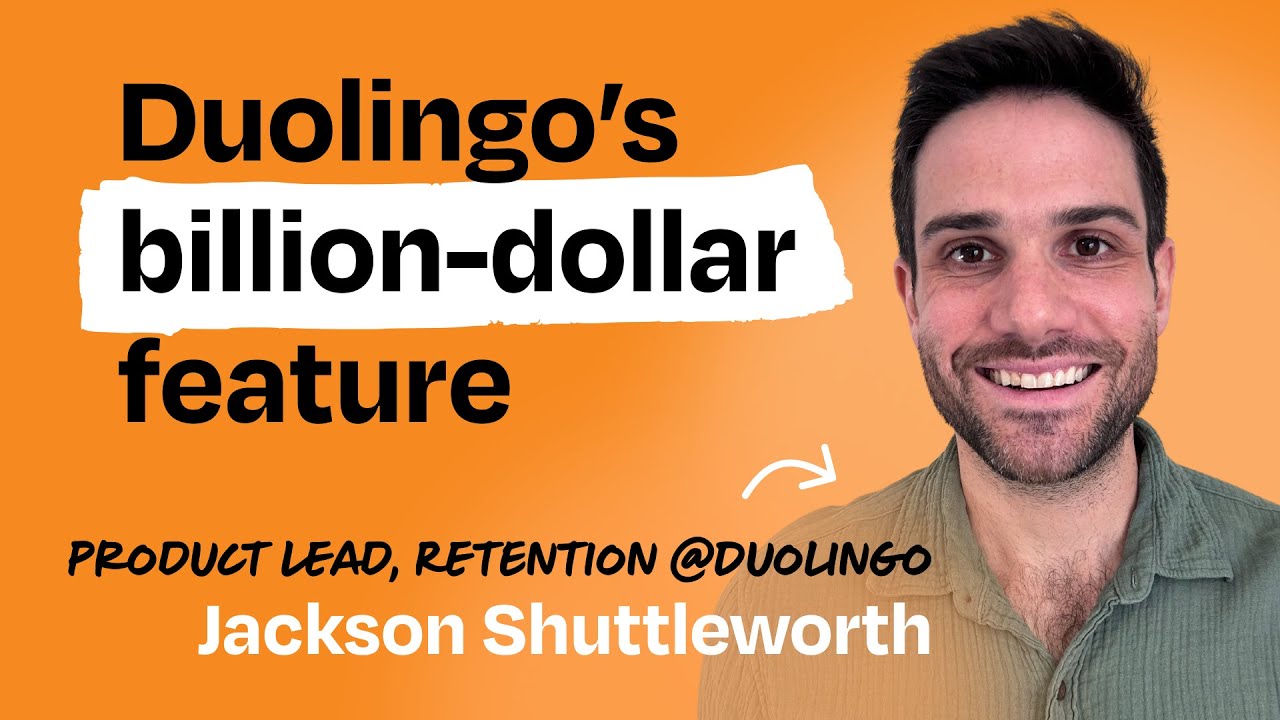
Lenny's Podcast: Product | Career | Growth
Jackson Shuttleworth on experiment learning, complexity and cross-functional iteration planning. Selected third-party transcript coverage excludes psychology and loss-aversion claims, notification tactics, streak protection and monetization, learning-effectiveness claims and closing advice. Duolingo figures and outcomes are his accounts, unverified here. Untimed editorial topics are not video chapters.
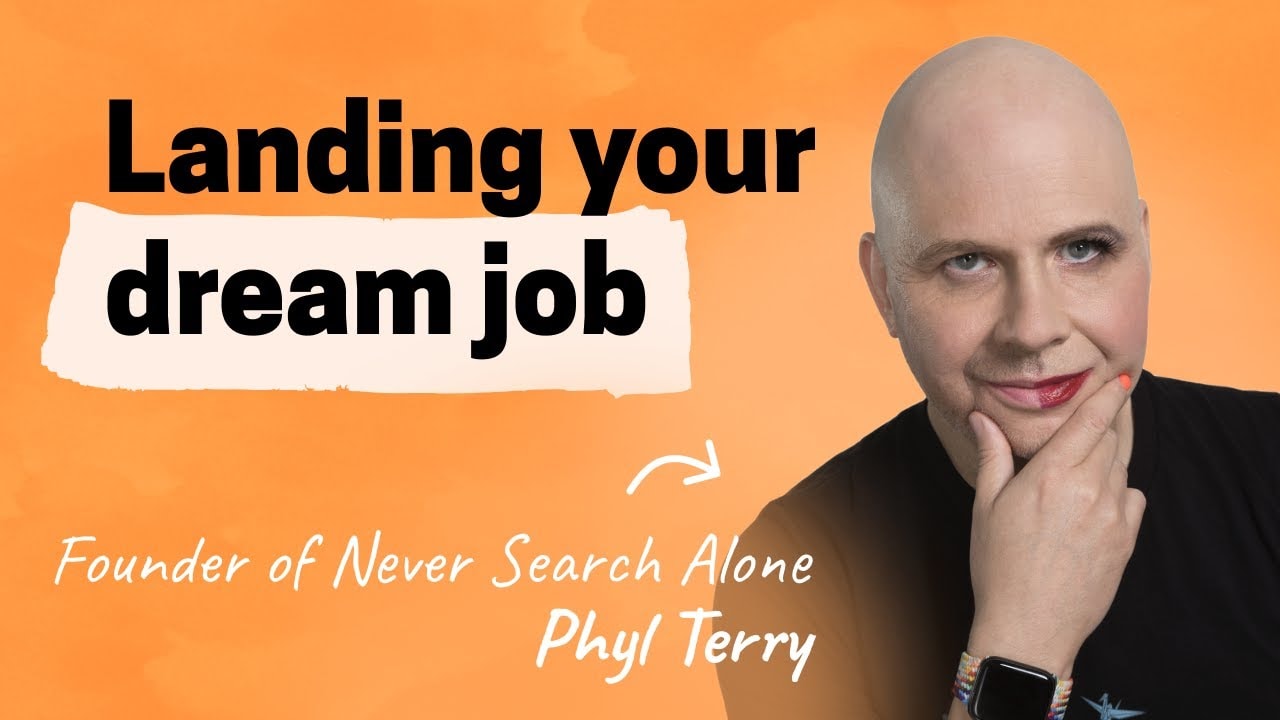
Lenny's Podcast: Product | Career | Growth
Lenny's Podcast episode, sponsored by Dovetail and Sprig, in which Lenny Rachitsky talks with Phyl Terry, author of Never Search Alone and longtime CEO of the consulting firm Creative Good, about landing a job you love by treating the search like product work. Terry's core metaphor: job seekers need a spear, not a net - the spray-and-pray approach fails for the same reason a product for everyone fails, so the first step is candidate market fit, built by honestly listing what you want and what you do not. Terry's second invention is the Job Search Council, a support group of six to eight seekers, grounded in a psychological hack: everyone, even public-company CEOs, feels insecure and anxious in a job search, and putting anxious people together in vulnerability defuses it. And when interviewing and negotiating, play to win, not not to lose - the candidate has to be in charge. PARTIAL COVERAGE: this summary highlights the framework; the negotiation tactics are not covered. These are Terry's own views and methods, not independently verified.
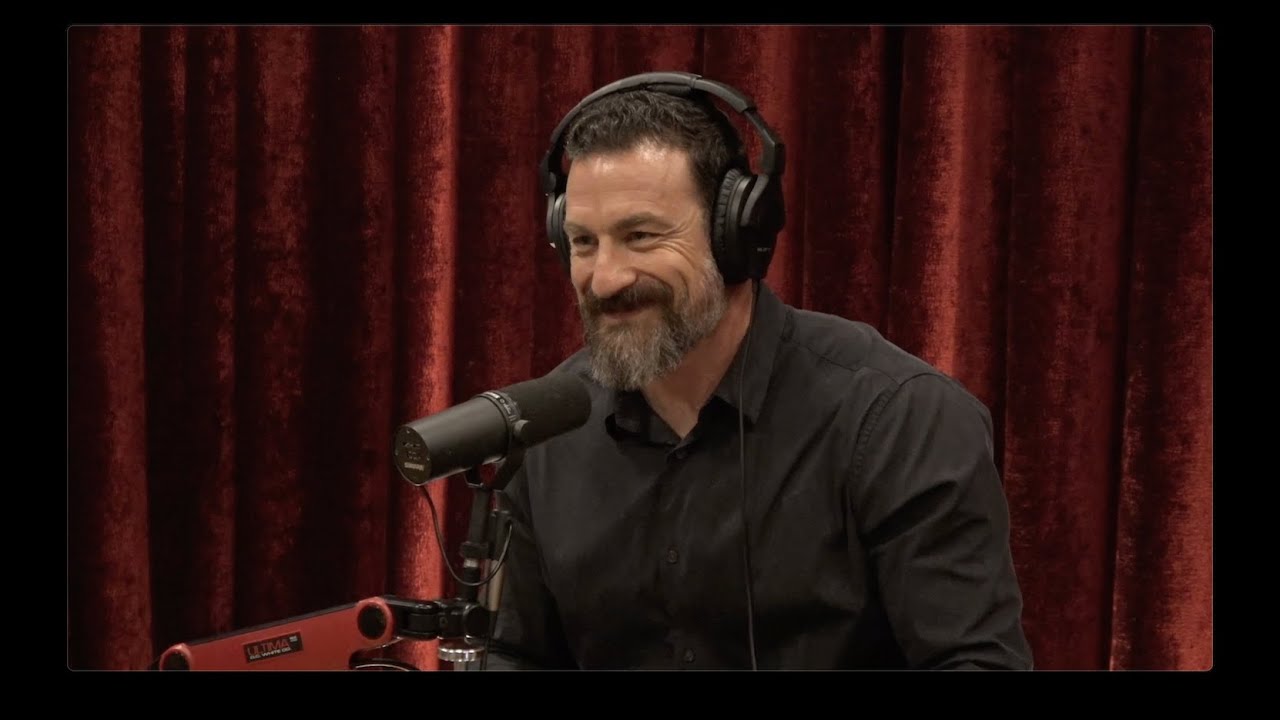
The Joe Rogan Experience
Andrew Huberman and Joe Rogan discuss animal breeding, smell, sensory processing and relationship patterns. Selected opening-caption coverage; medical and psychological claims are attributed to the speakers and are not advice.
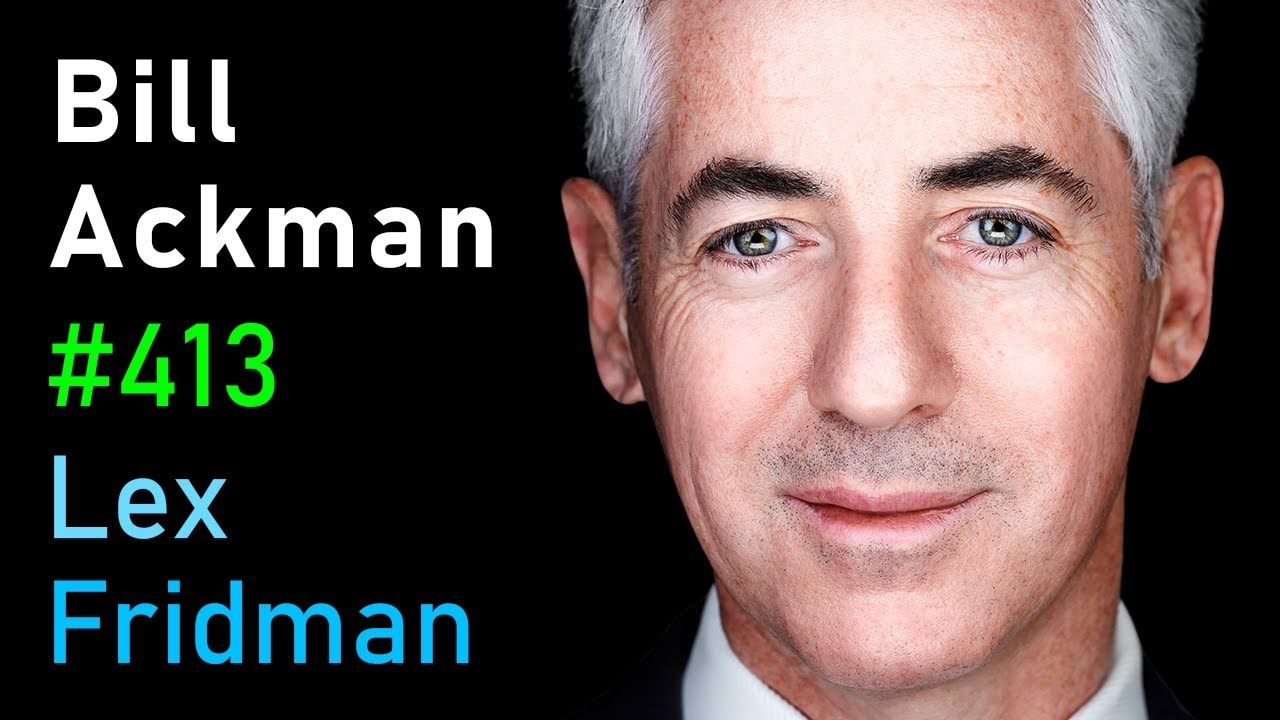
Lex Fridman Podcast
Bill Ackman and Lex Fridman discuss valuation, research, market psychology and activist investing. These notes focus on the investing passages; later political and university debates are part of the full episode but are not analyzed here. His approach and historical accounts are not individualized financial advice.
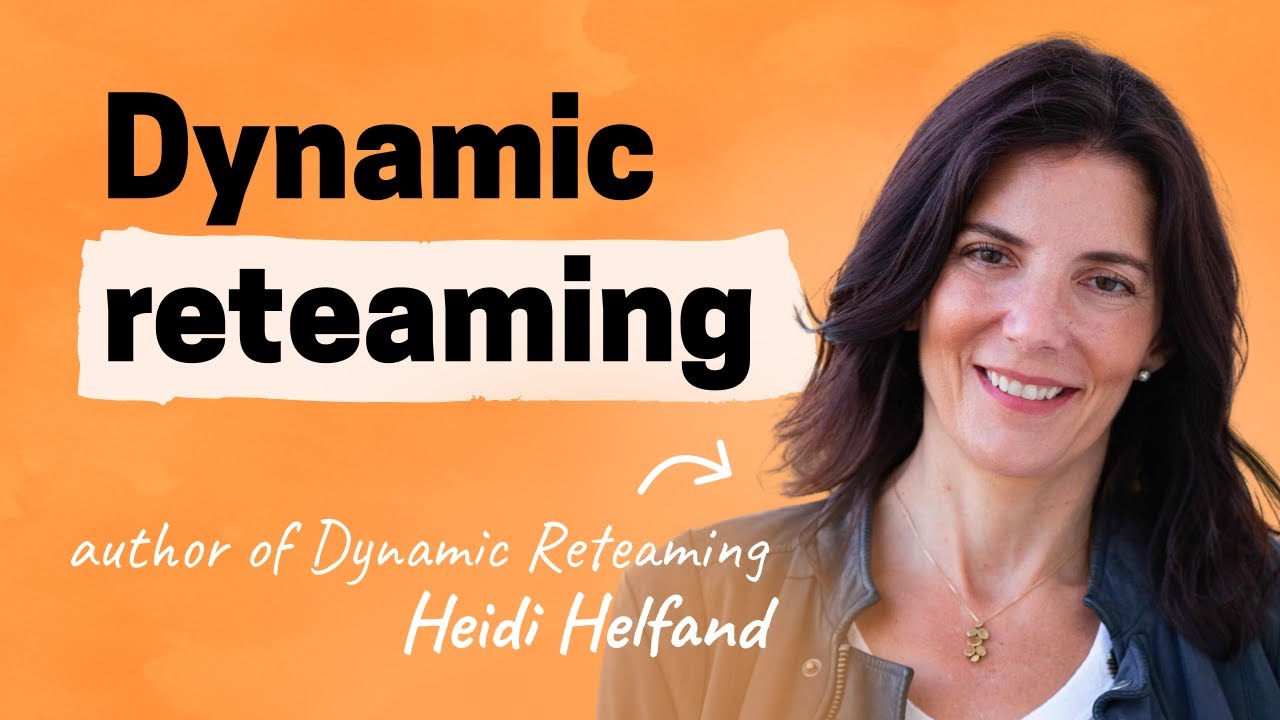
Lenny's Podcast: Product | Career | Growth
Heidi Helfand on visible team-change plans, decision authority, splits and shared histories for merged teams. Selected third-party transcript coverage excludes detailed company anecdotes, transition psychology, isolated innovation teams, listening advice and closing recommendations. Organization examples are her accounts, unverified here. Untimed editorial topics are not video chapters.
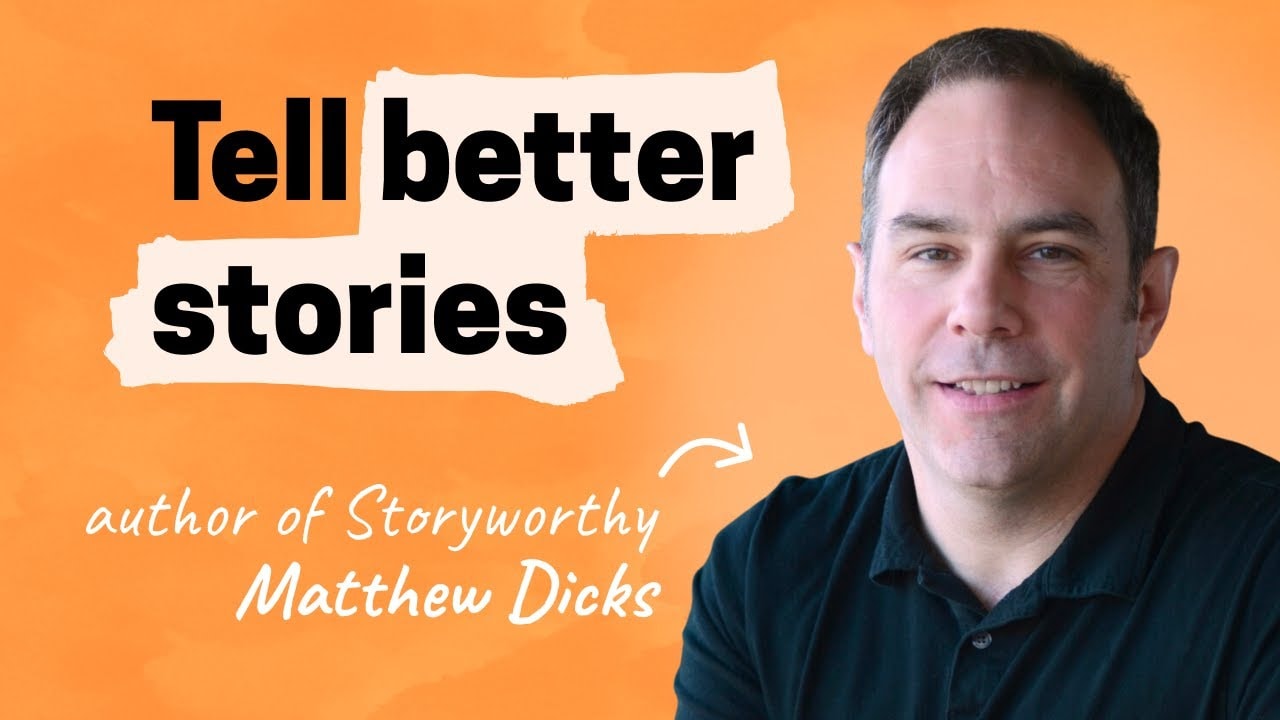
Lenny's Podcast: Product | Career | Growth
Matthew Dicks on opposing moments, natural delivery, stakes and surprise in storytelling. Selected coverage omits the opening student-anxiety anecdote and later personal-interest inventory. His teaching methods are not universal psychological rules. Untimed editorial topics are not video chapters.
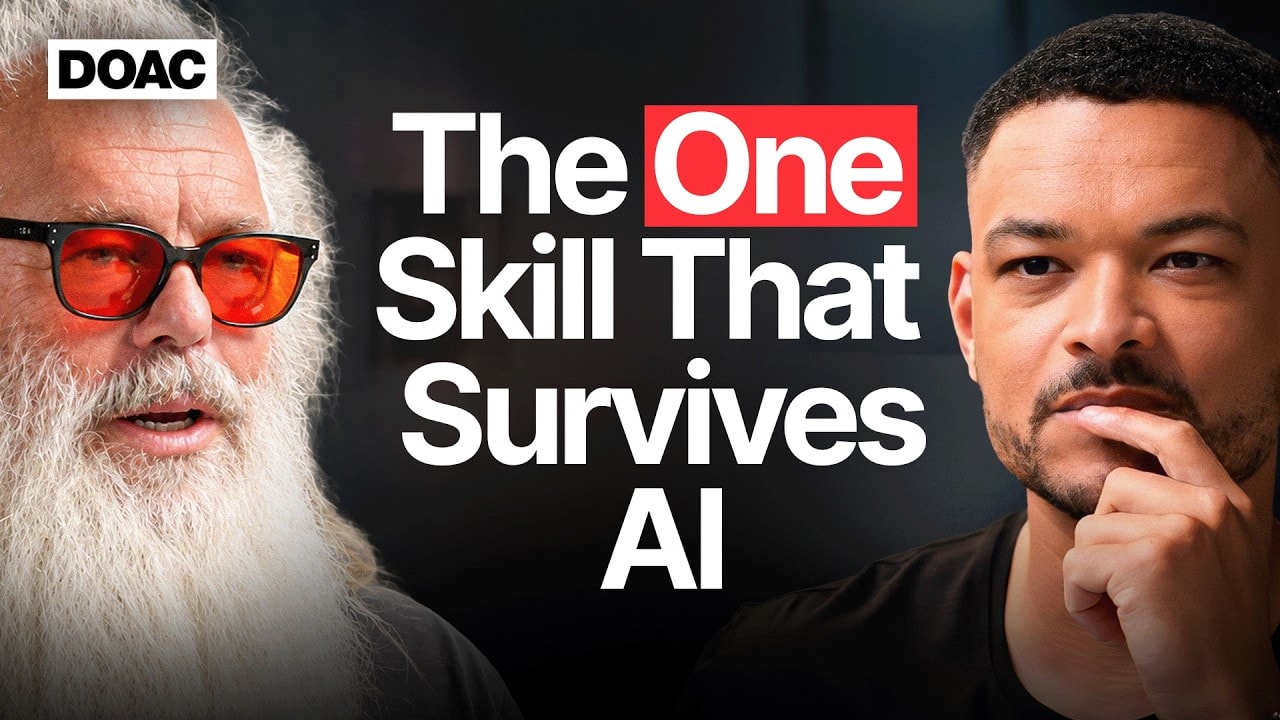
The Diary Of A CEO with Steven Bartlett
Rick Rubin joins Steven Bartlett to discuss personal expression, labels, creative risk and the four phases of making work. He describes meditation, comparison and the difference between a dream and a single job. His creative philosophy is presented as his experience, not a guarantee of commercial success or a universal life prescription.
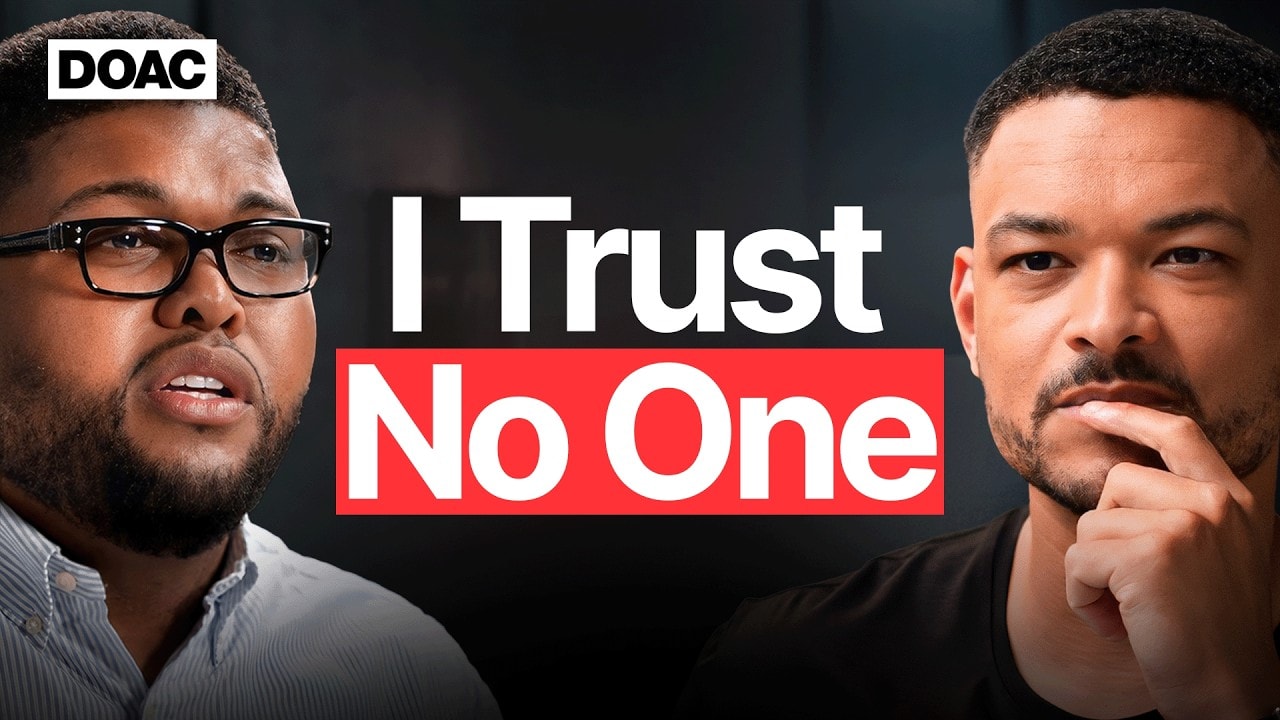
The Diary Of A CEO with Steven Bartlett
Content warning: childhood abuse and violence. Druski talks with Steven Bartlett about reading rooms as a child, forgiveness, college, depression and finding a direction in comedy. He describes the personal decisions and early work behind a career that can look like overnight success. His experiences are not a universal recovery path or a replacement for mental-health support.
The Diary Of A CEO with Steven Bartlett
Dr Andy Galpin joins Steven Bartlett to discuss sleep disorders, wearables, morning light, sleep temperature and energy, before turning to training and fat loss. He argues for finding individual constraints rather than adding endless optimization. This is a summary of the conversation, not medical advice; persistent symptoms and possible sleep disorders warrant clinical assessment.
The Diary Of A CEO with Steven Bartlett
Chris Williamson joins Steven Bartlett on The Diary Of A CEO for a year-end conversation about choosing fewer goals, subtracting commitments and reviewing what actually matters. Recorded for planning2026, the ideas can be read as a historical goal-setting discussion. This summary excludes health claims and does not treat motivation advice as clinical guidance.
The Diary Of A CEO with Steven Bartlett
Simon Cowell on respect, the post room, early business setbacks, music taste and television. Focused early-career coverage only; this summary does not cover grief, family loss, One Direction or later sections. Career anecdotes are his own recollections.
The Diary Of A CEO with Steven Bartlett
Simon Sinek returns to The Diary Of A CEO after his first appearance became one of Steven Bartlett’s most-downloaded interviews. They discuss why a person’s “why” remains fixed while its expression changes, the role of mutual help, workplace expectations, and the connection costs of remote work.

The Diary Of A CEO with Steven Bartlett
Physicist Brian Greene joins Steven Bartlett to discuss string theory, simulation, emotions, mortality and the search for meaning. He offers a physical account of consciousness and personal views on free will, religion and AI. Speculative and philosophical positions are attributed to Greene rather than presented as settled science.

The Diary Of A CEO with Steven Bartlett
Alex Honnold reflects on trying rather than being stopped by perfectionism, a climbing-focused early life, his experience of fear and the value of sustained small efforts. He favors changing views when evidence changes. These are personal reflections, not instructions for hazardous climbing, medical conclusions or guarantees of success.

The Diary Of A CEO with Steven Bartlett
Ed Zitron gives Steven Bartlett a critical view of generative AI, arguing that capability claims and financial expectations are overstated. The conversation examines token pricing, subsidy, errors, demand and the data-centre build-out. This is a one-sided critique: accusations, figures and predictions are Zitron's claims, not independently verified findings or investment advice.
The Diary Of A CEO with Steven Bartlett
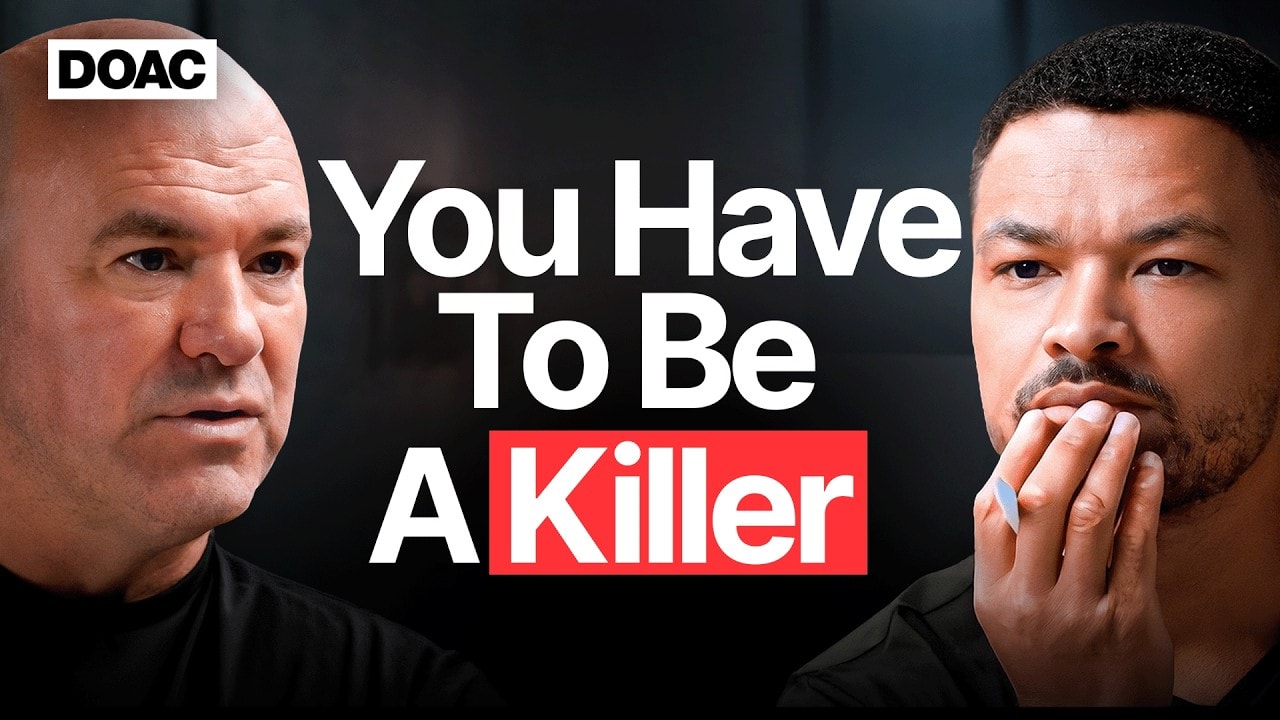
Dana White tells Steven Bartlett how he moved from a steady hotel job into the fight business and helped build the UFC. He discusses taking responsibility, hiring a team that fits, loyalty, criticism and intense focus. These notes describe his personal business philosophy, not a universal rule that every founder must follow.