Host: Lenny Rachitsky
Lenny Rachitsky talks with product leaders, founders and operators about product, growth, leadership and careers. Guests share their experiences and practical methods; company claims and advice remain their accounts rather than guarantees.
Read structured takeaways and actionable insights from Lenny's Podcast: Product | Career | Growth
Lenny's Podcast: Product | Career | Growth
A Lenny's Podcast talk recorded live at the Lenny and Friends Summit on September 10, 2026 in San Francisco, in which product leader Marty Cagan shares ten regrets about his product advice since the first edition of his book Inspired in 2008. He says he understated business viability, product leadership and solution discovery, and that predictable roadmaps and process can stop teams learning what customers need. He also argues that outcomes and clear thinking matter even as AI makes building easier. Sponsor: no third-party sponsor is named in the description; the talk is presented by Lenny's Podcast and the Lenny and Friends Summit. PARTIAL COVERAGE: this note is based on the opening, the first regret on business viability, a middle section on why users churn and humility, and the description, and does not cover all ten regrets in the roughly 22 minute talk. All views are Cagan's own.
Lenny's Podcast: Product | Career | Growth
Lenny's Podcast episode in which Lenny Rachitsky speaks with Peter Sellis, the first product manager at Snapchat and later head of product at Discord, recorded while he is between roles. The episode is presented by season sponsor WorkOS. Sellis shares counterintuitive management lessons: designing teams with a clear ideology and decision rights rather than heavy collaboration, investing in top performers instead of average ones, and why he thinks the median product manager provides little value. He explains his view of why Snap struggled to build a bigger ads business despite a billion monthly users, talks about trust and ad formats, and praises SpaceX for cannibalizing its own success. PARTIAL COVERAGE: the captions cover most of the conversation, but this summary highlights the team-design lessons, the Snap ads analysis and the taste discussion only, so segments such as managing Nikita Bier and the lightning round are not summarized. These are Sellis's own opinions from his experience, not independently verified, and nothing here is career, hiring or investment advice.
Lenny's Podcast: Product | Career | Growth
A Lenny's Podcast episode in which Lenny Rachitsky and enterprise sales practitioner Jen Abel (co-founder of Jellyfish and GM of enterprise sales at State Affairs) walk step by step through the enterprise sales cycle. Abel argues the standard five-stage CRM pipeline is a forecasting tool, not a sales process, and covers landing the first meeting, running an informal intro call without a demo, a short pilot, pricing, procurement and sending contracts as editable documents. Sponsors named in the episode: WorkOS and Mercury. PARTIAL COVERAGE: this note is based on the opening summary, an intro-call section, a sponsor break, a section on keeping meetings on track, a section on pipeline stages, the closing and the description, and does not cover every one of the roughly 15 steps in the roughly 85 minute conversation. All views and numbers are the guest's own and are not independently checked. This is a summary, not business, legal or financial advice.
Lenny's Podcast: Product | Career | Growth
Lenny's Podcast episode in which Lenny Rachitsky talks with Mark Pincus, founder of Zynga, about his book Life at the Speed of Play and his Proven, Better, New framework for product ideas. Mark says to take the proven off the table by copying what already works, make it better in small increments that every existing user would say yes to, and only then add something new. He says his rule of thumb is that instincts are right most of the time while ideas on top of them are usually wrong, so you should test many ideas around your instinct and fail for the right reason. The description notes he also discusses raising kids and the episode closes on parenting. Sponsors named: WorkOS and Vanta. PARTIAL COVERAGE: the captions cover the conversation, but this summary highlights the framework and idea testing only, so the later segment on parenting is not summarized. All views and figures are the speakers' own and are not independently verified. Nothing here is financial, legal or investment advice.

Lenny's Podcast: Product | Career | Growth
Lenny's Podcast episode, presented by season sponsor WorkOS with support from Vanta, in which Lenny Rachitsky speaks with Snap co-founder and CEO Evan Spiegel about building a lasting consumer product. Spiegel argues that distribution, not product-market fit alone, is what kills consumer startups, and that Snapchat grew by connecting people to their closest friends rather than the biggest network. He describes how Snap runs a large reliable company alongside a tiny flat design team, with leadership keeping respect between the two, why designers rather than PMs drove product in the early years, and how he feels about competitors copying Stories, swipe navigation and subscriptions. He also talks about Specs glasses, jobs-to-be-done planning and using an AI agent over company data. PARTIAL COVERAGE: the captions cover most of the conversation, but this summary highlights the distribution argument, the innovation structure and the copying discussion only, so lighter corners and personal segments are not summarized. These are Spiegel's own views and company figures, not independently verified, and nothing here is investment or business advice.
Lenny's Podcast: Product | Career | Growth
Lenny's Podcast episode, presented by season sponsor WorkOS, in which Lenny Rachitsky speaks with Nikhyl Singhal, former Meta and Google executive, four-time founder and leader of the Skip communities for product leaders, about the changing product manager career. Singhal describes the old PM role as moving information with responsibility without authority, and says builders are now having the time of their lives while the information mover becomes a dinosaur. He cites his job market report showing the most open PM roles globally in over three years, predicts companies shedding and rehiring smaller builder-heavy staffs, and explains why mid-career people in their power years find reinvention hardest - the exhaustion, the moving target, and the shadow superpower of having mastered the old game. His core advice: cross the mental threshold, find the joy of building by solving your own problems with agents, and stay modern. PARTIAL COVERAGE: the captions cover most of the conversation, but this summary highlights the job market read, the reinvention psychology and the tactics only, so the lightning round is not summarized. These are Singhal's own views and survey observations, not independently verified, and nothing here is career or financial advice.
Lenny's Podcast: Product | Career | Growth
Lenny's Podcast bonus episode in which Lenny Rachitsky is interviewed by his wife, Michelle Rial, about building his newsletter and podcast. The episode is sponsored by WorkOS and Metaview. Lenny traces the path from leaving Airbnb with four conventional plans to following the pull of writing, the Medium post that took off, a friend's nudge to double down on the rare overlap of enjoyment and usefulness, the nine-month point where the Lindy effect convinced him to keep going, and launching the paywall that made the newsletter a business. He also talks about raising his happiness baseline, the stress of running a treadmill business, and the frightening birth of his son, while Michelle explains how her chart books and her children's book Charts for Babies come from real experience. PARTIAL COVERAGE: the captions cover most of the conversation, but this summary highlights the newsletter journey and the lessons only, so lighter segments such as the misophonia sound-ranking game are not summarized. These are Lenny's and Michelle's own recollections and opinions, not business or mental-health advice.
Lenny's Podcast: Product | Career | Growth
Lenny's Podcast episode in which Lenny Rachitsky talks with Jason Cohen, a four-time founder whose companies include the unicorn WP Engine, an investor in over 60 startups and the writer behind A Smart Bear. Jason shares a five step framework for diagnosing stalled growth: logo retention, pricing, net revenue retention, marketing channels and target market. He says cancellation survey drop-downs mostly capture noise, since randomizing the list made every option equally popular, and recommends asking open-ended questions such as what made you cancel. He describes the elephant curve of growth, where a channel surges and then sags, and a pricing story in which repositioning a product to double leads for the same cost led to 8 times the revenue. He also covers when to reconsider if growth is even the right goal. Sponsors named in the description: 10Web, Strella and Brex. PARTIAL COVERAGE: the captions cover the full conversation, but this summary highlights only the framework, the cancellation survey, the elephant curve and the repositioning story, so other segments are not summarized. All views are the speakers' own and are not independently checked. Nothing here is financial, legal or investment advice.
Lenny's Podcast: Product | Career | Growth
Lenny's Podcast episode, sponsored by TenWeb and DX, in which Lenny Rachitsky talks with Sam Lessin, partner at Slow Ventures, former VP of product at Facebook and two-time founder, about his etiquette playbook for founders. Lessin argues that as software commoditizes, trust decides deals, and etiquette is the skill of showing up in a room with a low heart rate: abundance over scarcity, relationships over business cards. He gives concrete rules - say great to see you instead of nice to meet you, keep fragrance subtle, remember B for bread and D for drinks, tip without making it the story, keep business email short and emoji-free, and order recipients by importance. He closes with his investing view that AI is a propellant, not a startup thesis, and that he backs companies needed because of AI rather than AI companies. PARTIAL COVERAGE: the captions cover most of the conversation, but this summary highlights the core etiquette rules only, so most of the ten book categories and the lightning round are not covered. These are Lessin's own opinions, not independently verified, and nothing here is investment advice.
Lenny's Podcast: Product | Career | Growth
Molly Graham on giving away mastered responsibilities and diagnosing teams with the Waterline Model. Selected discussion, excluding career-risk, AI-career and later leader stories. She learned Waterline through NOLS and did not invent it. Company anecdotes are hers, unverified here; untimed topics are not video chapters.
Lenny's Podcast: Product | Career | Growth
Matt MacInnis on firsthand diagnosis, foundations, sequencing, metrics, feedback and escalations. Selected third-party transcript coverage excludes understaffing prescriptions, death-march stories, personal wellbeing, investment claims, AI passages and numerical company results. Rippling examples are his accounts, unverified here. Untimed editorial topics are not video chapters.
Lenny's Podcast: Product | Career | Growth
Lenny's Podcast episode, sponsored by Datadog and Lovable, in which Lenny Rachitsky talks with Jeanne DeWitt Grosser, COO of Vercel, who built Stripe's early sales team and worked at Google, about world-class go-to-market. Grosser defines GTM as every function that touches a customer or makes a dollar, predicts the collapse of hyper-specialized sales roles, and explains the GTM engineer: one builder spent six weeks part-time creating a lead agent that let her shift nine of ten inbound SDRs into outbound while holding lead-to-opportunity conversion flat, at about 1,000 dollars a year in compute. She gives a primer on segmentation, argues buyers purchase to avoid pain and reduce risk rather than gain upside, says PLG has a ceiling so every company eventually builds sales, and urges founders to design pricing like a product. PARTIAL COVERAGE: the captions cover most of the conversation, but this summary highlights the GTM structure, agent and segmentation lessons only, so the sales comp hot takes, tools list and lightning round are not covered. These are Grosser's own figures and views, not independently verified, and nothing here is business or financial advice.
Lenny's Podcast: Product | Career | Growth
Rachel Lockett on coaching as a management tool: advice, questions, GROW and responsibility for outcomes. Selected third-party transcript coverage is limited to these management passages. Excludes sponsor reads, emotional-health and burnout advice, personal-life design, live personal coaching, co-founder conflict and company anecdotes. Untimed editorial topics are not video chapters.
Lenny's Podcast: Product | Career | Growth
Stewart Butterfield on utility curves, product taste, comprehension and friction. Selected coverage omits politics/bureaucracy, shutdown/Glitch and later work-like activities and owner's-delusion discussion. Slack anecdotes are his account, unverified here. Untimed editorial topics are not video chapters.
Lenny's Podcast: Product | Career | Growth
Lenny's Podcast episode, sponsored by Vanta and Justworks, in which Lenny Rachitsky talks with Grant Lee, CEO and co-founder of Gamma, the AI presentation and website tool that reached 100 million ARR in just over two years with a team of about 30. Lee recounts the investor who called Gamma the worst idea he had ever heard before hanging up, and how that pushed him to treat growth as a founding discipline. He details the influencer engine: onboard micro creators manually, let them tell the story in their own voice, spread budget across 20 to 40 creators a month instead of one big name, and accept that 90 percent of reach comes from under 10 percent of posters. He also covers testing two products side by side for six months before choosing presentations, running morning-idea-to-afternoon-prototype experiments with about 20 users, and hiring generalists and player coaches so the first ten employees set a replicable DNA. PARTIAL COVERAGE: the captions cover most of the conversation, but this summary highlights the growth, experimentation and hiring lessons only, so the pricing discussion and lightning round are not covered. These are Lee's own figures and views, not independently verified, and nothing here is business or investment advice.
Lenny's Podcast: Product | Career | Growth
Lenny's Podcast episode, sponsored by WorkOS and Lovable, in which Lenny Rachitsky talks again with Jen Abel, co-founder of Jellyfish and GM of enterprise at State Affairs, about going from one to ten million ARR in enterprise sales. Abel argues the mid-market does not exist - you are playing either the marketing-led small business game or the sales-led enterprise game, and bleeding the two loses. She urges founders to start with tier-one logos, because leaders protect their number-one spot by taking swings, and their voices turn hundred-thousand-dollar deals into million-dollar ones. Her pricing rules: never anchor Walmart to small-business pricing, land first contracts between 75 and 150 thousand dollars, and treat discount-haggling as a signal the buyer is not fully in. She closes with deal crafting as relationships, and why she ignores AI outbound tools to take the back door everyone else misses. PARTIAL COVERAGE: the captions cover most of the conversation, but this summary highlights the positioning, pricing and prospecting lessons only, so some later tactics and the lightning round are not covered. These are Abel's own views, not independently verified, and nothing here is business advice.
Lenny's Podcast: Product | Career | Growth
Melanie Perkins on Column B planning, chaos to clarity, goal milestones and investor feedback. Selected early discussion, excluding later AI and product-expansion sections. Canva figures and stories are speaker claims, unverified here; the valuation in the title is not independently confirmed. Untimed topics are not video chapters.
Lenny's Podcast: Product | Career | Growth
Albert Cheng on freemium, retention, returning users and experimentation. Selected third-party transcript coverage excludes AI, chess-engine discussion and the lightning round. Company examples and numbers are his accounts, unverified here. Untimed editorial topics are not video chapters.
Lenny's Podcast: Product | Career | Growth
Lenny's Podcast episode, sponsored by DX and Jira Product Discovery, in which Lenny Rachitsky talks with Nesrine Changuel, product leader from Skype, Spotify, Google Chrome and Google Meet and author of Product Delight, about her four-step framework for delightful products. Changuel argues delight is not confetti on top of utility but products that serve emotional and functional needs together, citing Spotify Wrapped and Discover Weekly as features that make users feel seen. She says delight is a growth strategy in crowded markets, warns that even well-functioning products lose users when the feeling sours, and gives her levers: remove friction, anticipate needs, exceed expectations, with joy plus surprise as the emotional formula. She also tackles when delight is not worth it, and why B2B can no longer hide behind undelightful incumbents. PARTIAL COVERAGE: the captions cover most of the conversation, but this summary highlights the framework and examples only, so the full four-step walkthrough and lightning round are not covered step by step. These are Changuel's own views and case studies, not independently verified.
Lenny's Podcast: Product | Career | Growth
Ben Horowitz on hesitation, hard conversations, confidence and paced senior hiring. Selected coverage omits opening prison/aviation stories, product management and later AI, political and investment material. Company anecdotes and the title's $46B figure are unverified here. Untimed editorial topics are not video chapters.
Lenny's Podcast: Product | Career | Growth
Matt LeMay on team purpose, shared business thinking, value exchange and goals close to company outcomes. Selected third-party transcript coverage excludes sponsor reads, layoff and economic claims, investment and funding advice, company-result anecdotes and personal-career guarantees. These are his management views; no job-security outcome is promised. Untimed editorial topics are not video chapters.
Lenny's Podcast: Product | Career | Growth
Lenny's Podcast episode, sponsored by Brex and Paragon, in which Lenny Rachitsky talks with Jake Knapp and John Zeratsky, co-creators of the Design Sprint, about their two-day Foundation Sprint for testing any startup idea. Knapp traces the method back to a desperate week in Stockholm where a stuck Google team cleared calendars and prototyped instead of perfecting pitch decks, and explains the two failure modes they saw across 300-plus teams: co-founders who cannot agree on basics like who the target customer is, and teams that never test those basics at all. The sprint packs the founding decisions - what you are building, for whom, how it differentiates, and how to test it with real customers - into about ten hours together, ending in one clear hypothesis the whole team owns. They warn that going fast by skipping this thinking slows you down later. PARTIAL COVERAGE: this summary highlights the sprint's purpose and structure; the step-by-step exercises from the book are not covered. These are the authors' own methods and claims, not independently verified.
Lenny's Podcast: Product | Career | Growth
Lenny's Podcast episode, sponsored by Sauce and Dscout, in which Lenny Rachitsky talks with Maor Shlomo, the solo founder of Base44, about going from zero to an 80 million dollar acquisition by Wix in six months without raising money. Shlomo explains Base44's batteries-included approach in the crowded AI app-builder category - built-in database, integrations, user management and analytics instead of stitched-together services. He describes starting with three close friends around a table, building what broke, and refusing to scale before users shared the product on their own. He also covers launching on Product Hunt so successfully the algorithm flagged the love as bots, his tech stack and productivity systems as a solo founder with severe ADHD, growth tactics that failed, and why this time he was not trying to build the biggest thing ever. PARTIAL COVERAGE: this summary highlights the journey and lessons; stack details and specific experiments are not covered. These are the founder's own claims, not independently verified, and nothing here is business advice.
Lenny's Podcast: Product | Career | Growth
Andrew Wilkinson on business selection, starting small, bootstrapping, acquisitions and people. Selected coverage of the first part of the conversation omits AI-agent and later anxiety/mindset material. Revenue and company claims are his account, unverified here. Untimed editorial topics are not video chapters.
Lenny's Podcast: Product | Career | Growth
Lenny's Podcast episode, sponsored by WorkOS and Stripe, in which Lenny Rachitsky talks with David Placek, founder of Lexicon Branding and the namer behind PowerBook, Pentium, BlackBerry, Swiffer, Impossible Burger, Vercel, Windsurf, CapCut and Azure, about how billion-dollar brand names are actually made. Placek argues the name outlasts design, messaging and even products, yet teams expect to know the right one when they see it - which almost never happens. He tells how Sonos was rejected for not being entertainment-like until he flew back unbilled to fight for it, and a founder realized they were naming for themselves instead of the marketplace. His process looks for polarization and tension inside the team as signs of strength, distrusts big brainstorms, and even weighs the energy of individual letters. PARTIAL COVERAGE: this summary highlights the philosophy and stories; the full step-by-step exercise and letter-by-letter analysis are not covered. These are Placek's own methods and views, not independently verified.
Lenny's Podcast: Product | Career | Growth
A Lenny's Podcast conversation with Hilary Gridley, head of core product at Whoop, on how to build a team that can take a punch: handling hard feedback, earning your place in meetings, doing hard things and understanding other people's worldviews. PARTIAL COVERAGE: the episode runs about 115 minutes and the available caption text is cut off, so this summary covers roughly the first 40 percent and may miss later topics. Her examples are her own. This is a summary of her views, not professional or medical advice.
Lenny's Podcast: Product | Career | Growth
Bob Baxley on design culture, small-team exploration and decision-making tenets. Selected third-party transcript coverage; AI and closing recommendations omitted. Employer and historical examples are his accounts, unverified here. Untimed editorial topics are not video chapters.
Lenny's Podcast: Product | Career | Growth
Lenny's Podcast episode, sponsored by Merge and Vanta, in which Lenny Rachitsky talks with Sebastian Barrios, SVP of engineering at Roblox and longtime product and engineering leader at Mercado Libre, about running one of the largest engineering organizations on the planet. Mercado Libre, the most valuable company in Latin America at over 100 billion dollars, fields 18,000 engineers across 18 countries, deploys 30,000 times a day, and delivers over 5 million packages daily with its own trucks and planes - bigger now than eBay and PayPal combined. Barrios explains why he refuses to split engineering from product, arguing a title should not decide ownership, and shares the stories behind the operator: his mother training him like a spy by dropping him in Mexico City to find his way home, building the number-one app in 19 countries at 19, and the phone call from Steve Jobs - after Apple added a new App Store rule overnight - that booted his teenage app. PARTIAL COVERAGE: this summary highlights the operating philosophy and stories; deeper org mechanics are not covered. These are Barrios's own accounts and views, not independently verified.
Lenny's Podcast: Product | Career | Growth
A Lenny's Podcast conversation with Sachin Kansal, chief product officer at Uber, on dogfooding his own products by driving and delivering, shipping fast, advice for early-career product managers, and Uber's strategy for autonomous vehicles. PARTIAL COVERAGE: the episode runs about 82 minutes and the available caption text is cut off during the autonomous vehicle discussion, so later topics are not covered. Company figures and plans are Kansal's own claims and are unverified.
Lenny's Podcast: Product | Career | Growth
A Lenny's Podcast conversation with Mayur Kamat, chief product officer at N26 and formerly at Binance, Agoda, Google and Microsoft, on hiring and developing product managers, working at Binance, the failure of early Google Hangouts, experimentation, career paths and why banking is a durable market. PARTIAL COVERAGE: the episode runs about 98 minutes and the available caption text is cut off at around the 55-minute mark, so the last part is not covered. Company claims are Kamat's own and are unverified. This is a summary of his views, not career, legal or financial advice.
Lenny's Podcast: Product | Career | Growth
Lenny's Podcast episode, sponsored by Stripe, in which Lenny Rachitsky talks with Dmitry Zlokazov, global head of product at Revolut, about how the 60-billion-dollar fintech trains world-class product managers. Revolut, which Lenny's research ranks alongside Palantir and Intercom as a top PM incubator, calls its PMs product owners and means it literally: end-to-end responsibility for the product, the business numbers, and customer happiness, like a local CEO. Zlokazov explains why Revolut hires for raw intellect and an unquenched hunger to build over domain experience, and why new products must be genuinely wow before launch - because if an early product is not getting traction, you cannot tell whether the idea is wrong or the product just sucks. His rules: cut functionality to the critical features but never compromise quality or aesthetics, and remember that 99 percent done is closer to zero than to one hundred. PARTIAL COVERAGE: this summary highlights the hiring and product philosophy; internal structures and later topics are not covered. These are Zlokazov's own views, not independently verified.
Lenny's Podcast: Product | Career | Growth
Nabeel S. Qureshi on customer proximity, language, trust, feedback and reusable products. Selected third-party transcript coverage is limited to these product-work passages. Palantir examples are his accounts, unverified here. Excludes sponsor reads, defense, intelligence, public-health and AI passages, financial figures, product availability, hiring and personal-life advice. Untimed editorial topics are not video chapters.
Lenny's Podcast: Product | Career | Growth
Lenny's Podcast episode, sponsored by Eppo and Contentsquare, in which Lenny Rachitsky talks with Jerry Colonna, co-founder and CEO of Reboot, former co-founder of Flatiron Partners with Fred Wilson, and author of Reboot and Reunion, about the inner work of leadership. Colonna unpacks his signature question - how have I been complicit in creating the conditions I say I don't want - explaining that complicit means accomplice, not responsible: you are driving the getaway car, not robbing the bank, and the point is to recover your own agency. He illustrates with busyness: the leader who hates being busy but feels unnerved by an empty calendar. He shares the equation he sketched on a dry-erase board at Naropa - practical skills plus radical self-inquiry plus better humans make better leaders - why startup culture trains everyone to claim they are crushing it, and why team change starts with the person holding the most power. PARTIAL COVERAGE: this summary highlights the core question and equation; later discussion is not covered. These are Colonna's own views and methods, not independently verified, and this is not therapy or mental-health advice.
Lenny's Podcast: Product | Career | Growth
Lenny's Podcast episode, sponsored by Enterpret and Airtable, in which Lenny Rachitsky talks with Daniel Lereya, chief product and technology officer at monday.com, about the transformation that took the company from 40 people to 250,000 customers. Lereya tells the wake-up story: while monday's team felt great shipping five board column types in four months each, a competitor launched 30 at once, forcing the founders out of the office to admit that working crazy hard had not transformed the product. He reframed it as a gift from competitors - proof of what was possible - and rebuilt around speed, radical transparency with employees before the IPO, and impact over output, where a great PM is relentless until impact is validated and sometimes the biggest impact is making existing value more accessible rather than shipping another feature. PARTIAL COVERAGE: this summary highlights the transformation lessons; org mechanics and later discussion are not covered. These are Lereya's own views and recollections, not independently verified.
Lenny's Podcast: Product | Career | Growth
Lenny's Podcast episode, sponsored by WorkOS and Vanta, in which Lenny Rachitsky talks with Wes Kao, co-creator of the altMBA with Seth Godin, co-founder of Maven, and teacher of a popular executive communication course, about specific frameworks for clearer, more influential communication. Kao's starting move is self-audit: if you are not getting the reaction you want, ask how you might be contributing instead of blaming the audience. She warns that the blast radius of a poorly written memo is bigger than people think - one confusing Slack message sends fifteen people off in the wrong direction - and shares her MOO framework, Most Obvious Objection: spending even two minutes anticipating likely objections prevents most blindsiding in meetings. Colleagues describe her as raising the communication quality of entire companies by attaching reasoning and context to every proposal. PARTIAL COVERAGE: this summary highlights core frameworks; the full tactic list from her course discussion is not covered. These are Kao's own methods and views, not independently verified.
Lenny's Podcast: Product | Career | Growth
Ryan Singer on appetite, shaping, scope, autonomy, cycle length and returning unclear work to shaping. Selected third-party transcript coverage excludes sponsor reads, personal history, company-result claims, AI passages and broad comparisons with other development methods. These are his views on Shape Up, not a universal delivery guarantee. Untimed editorial topics are not video chapters.
Lenny's Podcast: Product | Career | Growth
Rahul Vohra on velocity, solution deepening, market widening, positioning and feedback. Selected third-party transcript coverage excludes sponsor reads, personal wellbeing, AI passages, current pricing and availability claims, and numerical company results. Superhuman examples are his historical accounts, unverified here. Untimed editorial topics are not video chapters.
Lenny's Podcast: Product | Career | Growth
Lenny's Podcast episode, sponsored by Enterpret and Vanta, in which Lenny Rachitsky talks with Susan Cain, author of the bestseller Quiet: The Power of Introverts in a World That Can't Stop Talking, about thriving as an introvert without changing who you are. Cain frames introversion and extroversion as two equally valuable kinds of strengths - our culture simply celebrates the extroverted one - and separates identity from skill: becoming a confident public speaker is acquiring skills, not becoming more extroverted. She offers two diagnostic questions - how a great party leaves you after two hours, and how you would spend an obligation-free weekend - and argues real power arrives when people stop hearing the inner voice saying they are not supposed to be themselves, plus tangible advice for succeeding in business as an introvert and raising introverted kids. PARTIAL COVERAGE: this summary highlights the core ideas; parenting and later segments are not covered. These are Cain's own views and frameworks, not independently verified.
Lenny's Podcast: Product | Career | Growth
Lenny's Podcast episode, sponsored by Eppo and the Fundrise Flagship Fund, in which Lenny Rachitsky talks with Eric Simons, co-founder and CEO of StackBlitz, about Bolt going from near-death to one of the fastest-growing products in history. StackBlitz had spent seven years building browser-based development technology called WebContainers and was on the verge of going under when they launched Bolt as a tweet; the product hit 20 million ARR in its first two months and crossed 30 million within months, with three million registered users. Simons credits a core group of five to seven people who stayed five-plus years, explains how technology built for years found its problem at the perfect moment, and talks about making judgment calls that defy consensus when you are playing your hand as a founder. PARTIAL COVERAGE: this summary highlights the turnaround and growth lessons; product roadmap and later segments are not covered. These are Simons's own claims and views, not independently verified, and nothing here is business advice.
Lenny's Podcast: Product | Career | Growth
Lenny's Podcast episode, sponsored by Sinch and Persona, in which Lenny Rachitsky talks with Anton Osika, co-founder and CEO of Lovable, about reaching 10 million ARR in 60 days with 15 people. Osika describes Lovable as a personal AI software engineer built for the 99 percent of people who do not write code - his mother among them - after a lifetime of friends asking him how to find a software engineer. He explains the name through his product bar: not a minimum viable product but a minimum lovable product, then a lovable product, then an absolutely lovable one. On scaling with 15 people, he credits one driver - people love the product - and says he now hires generalists, obsessing over how many skill sets each person brings, with the stated goal of building the last piece of software anyone has to write. PARTIAL COVERAGE: this summary highlights the growth story and hiring philosophy; the live demo and pro tips are not covered. These are Osika's own claims and views, not independently verified.
Lenny's Podcast: Product | Career | Growth
Ivan Zhao on gradual product fit, systems and reusable product parts versus customer solutions. Selected third-party transcript coverage excludes AI, personal history, infrastructure incidents, company performance figures and closing recommendations. Notion history and outcomes are his accounts, unverified here. Untimed editorial topics are not video chapters.
Lenny's Podcast: Product | Career | Growth
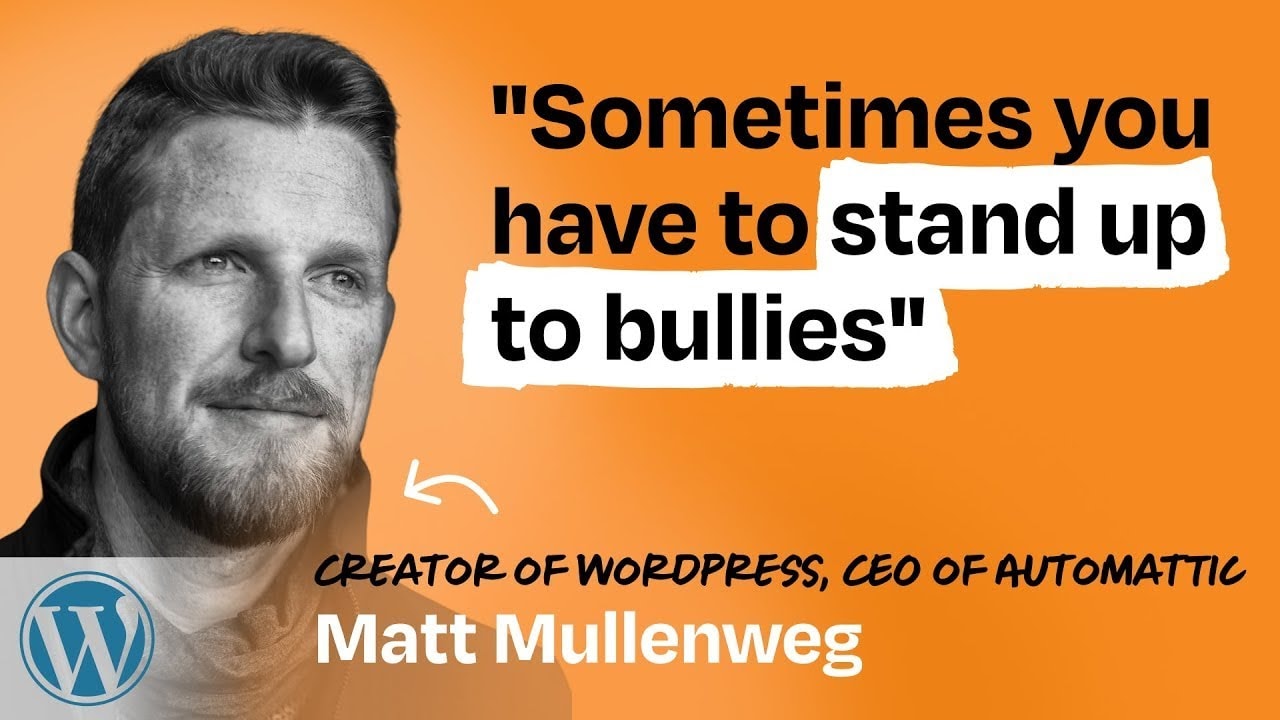
Lenny's Podcast episode, sponsored by WorkOS and Vanta, in which Lenny Rachitsky talks with Matt Mullenweg, co-creator of WordPress - which powers around 40 percent of websites - and CEO of Automattic, about open source and why he is taking a public stand. Mullenweg addresses the WP Engine dispute head on: after Silver Lake's acquisition he says the host began using the WordPress trademark on what he calls a hacked-up version, diluting the brand, and argues that being truly open source sometimes means standing up to bullies to protect the ideals. He responds to the sentiment collapse - twenty-plus years of goodwill burned in days, by his own framing - and explains why he calls products like Llama fake open source, how AI trains on open code, and his approach to acquisitions like Tumblr and Pocket Casts. PARTIAL COVERAGE: this summary highlights his stated positions; legal details of the dispute are not covered and both sides' accounts differ - these are Mullenweg's own claims, not independently verified.
Lenny's Podcast: Product | Career | Growth
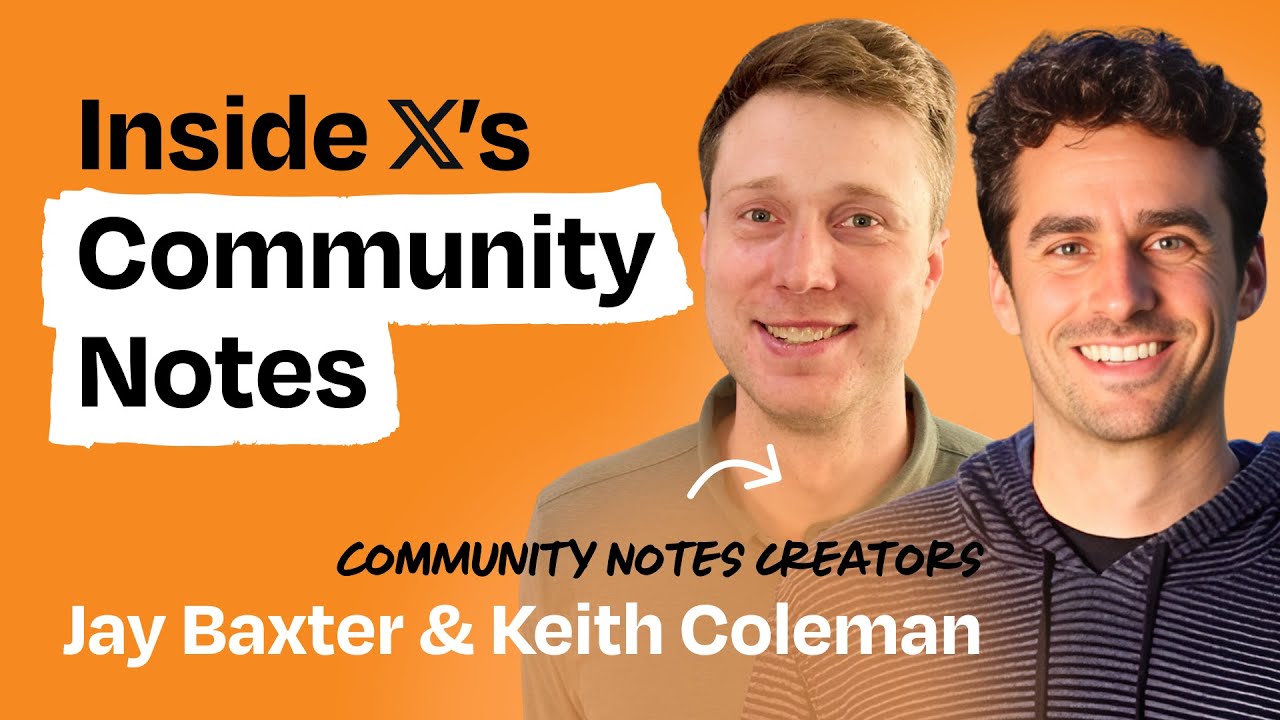
Lenny's Podcast episode, sponsored by WorkOS and Productboard, in which Lenny Rachitsky talks with Keith Coleman, product lead for Community Notes, and Jay Baxter, its founding ML engineer, about how X's crowdsourced fact-checking actually works. They explain the core mechanic: anyone can propose a note on a misleading post, others rate it, and the algorithm looks for agreement from people who have disagreed in the past - that surprising cross-aisle consensus is what makes notes neutral, accurate and well written. They cover the principle that all of humanity participates, with no exemptions for Elon, government figures or even advertisers, the internal Twitter contest from which the algorithm emerged, how the product survived four leadership eras including Jack and Elon, and independent studies finding that notes change whether people agree with a post's core claims - which is why Meta adopted the model. PARTIAL COVERAGE: this summary highlights the mechanism and principles; algorithmic details and later segments are not covered. These are the guests' own claims and cited studies, not independently verified.
Lenny's Podcast: Product | Career | Growth
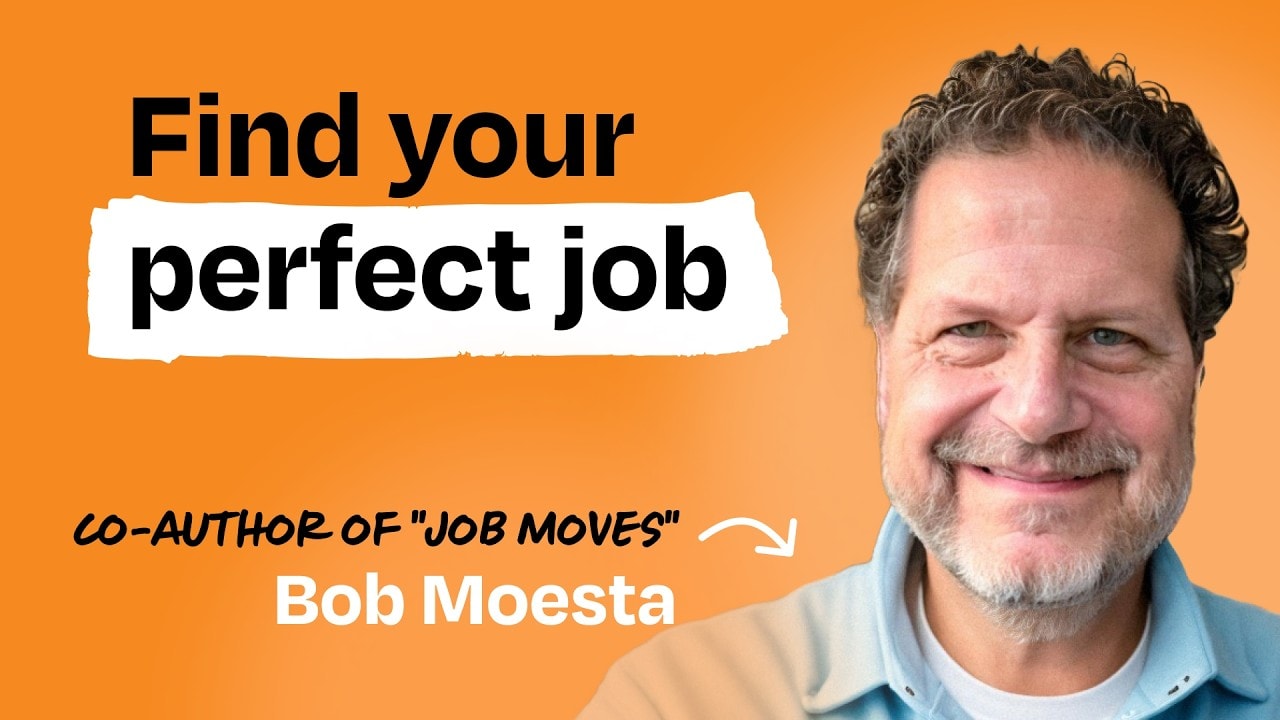
Lenny's Podcast episode, sponsored by Eppo and Vanta, in which Lenny Rachitsky welcomes back Bob Moesta, Jobs-to-be-Done co-creator and author of Job Moves, about how to find work you love. After 15 years interviewing and coaching nearly a thousand people through job switches, Moesta says most switchers end up worse off because they do not know themselves well enough to choose. His core law: the moment you stop making progress in your career is the moment you start looking for another job. He separates job features like salary and title from job experiences, arguing experiences keep you, and that money is often a surrogate for respect, bills, or falling behind - so ask why you want more. He also prescribes the jobcation: after a startup grind, take a job you can do with one hand tied behind your back, rest until you are comfortable doing nothing, and then figure out what is next. PARTIAL COVERAGE: this summary highlights the book's big ideas; the tactical exercises are not covered. These are Moesta's own frameworks and views, not independently verified, and nothing here is career or financial advice.
Lenny's Podcast: Product | Career | Growth
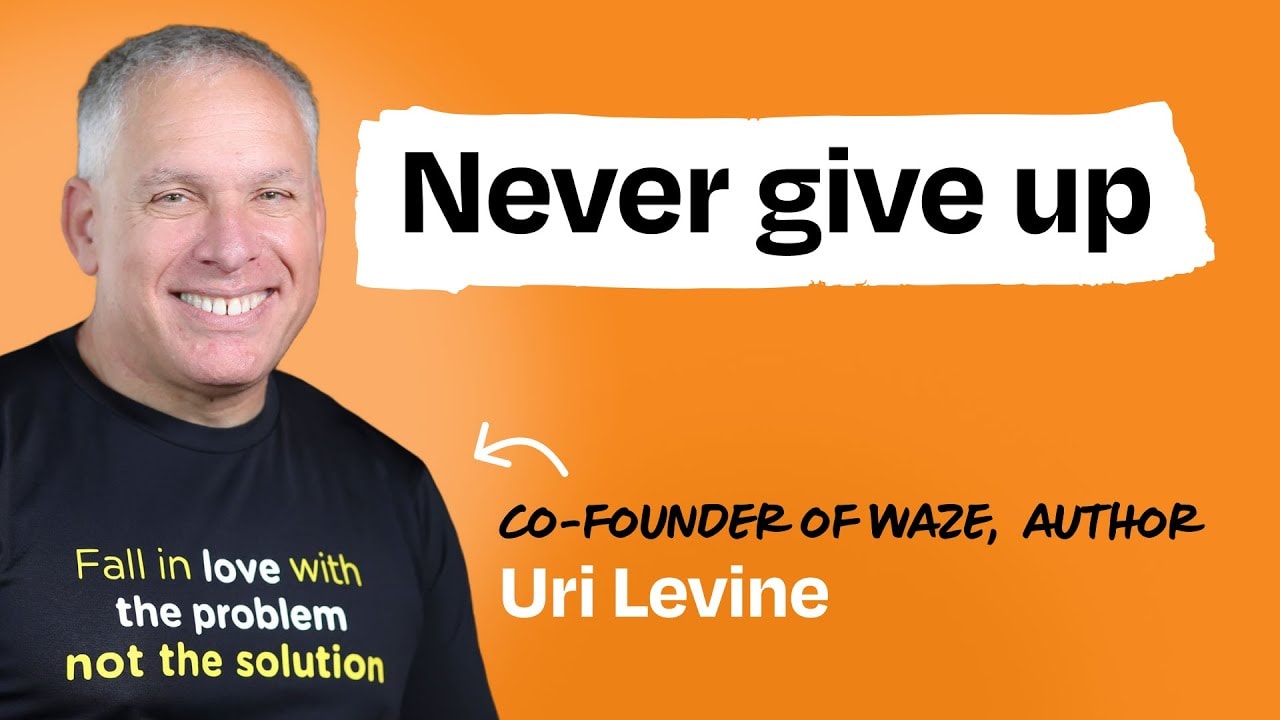
Lenny's Podcast episode, sponsored by WorkOS and Rippling, in which Lenny Rachitsky welcomes back Uri Levine, co-founder of Waze and nine other companies and author of Fall in Love with the Problem, Not the Solution, about the founder's guide to crisis management - the new chapter in his book's updated edition. Levine's taxonomy splits crises in two: the cash crisis, when a lost customer or disappearing investor jeopardizes the plan, and the loss of product-market fit, which sends you back to square one where everything you knew is irrelevant. His behavioral rules: never give up - the most important behavior of successful startup CEOs - and make decisions with conviction, because a team will not follow hesitation. On responsibility he is blunt: it is always the founder's fault, and that is good news, because assuming responsibility means you control your own destiny. Asked how to avoid crisis, his answer is that you cannot - building a startup is a journey from one crisis to the next. PARTIAL COVERAGE: this summary highlights the taxonomy and principles; case stories are not covered. These are Levine's own views, not independently verified.
Lenny's Podcast: Product | Career | Growth
Tobi Lutke on metric limits, data-informed judgment, qualitative quality and first-principles thinking. Selected early discussion, excluding education, remote work and later strategy sections. Shopify claims and generalizations are his views, unverified here. Untimed editorial topics are not video chapters.
Lenny's Podcast: Product | Career | Growth
Lenny's Podcast episode, sponsored by Sinch and Paragon, in which Lenny Rachitsky talks with Nan Yu, head of product at Linear, about how Linear builds one of the most beloved B2B products in software. Yu rejects the supposed trade-off between speed and quality: teams that believe in it are over-indexing on rushing and sloppiness, when the real index is competence - watch people at the pinnacle of their craft and speed predicts quality. His operating rule is the ten-percent test: by the time a tenth of any project's time budget has passed, something should exist that works and tests a key hypothesis internally. He explains what Linear refuses to build - exactly the features that create the bloat making ICs hate their lives - and his customer-call method: keep digging until you feel bad the same way the customer feels bad, then design against that emotion. PARTIAL COVERAGE: this summary highlights the operating philosophy; his creativity system and career advice segments are not covered. These are Yu's own methods and views, not independently verified.
Lenny's Podcast: Product | Career | Growth
Lenny's Podcast episode, sponsored by Eppo and Airtable Product Central, in which Lenny Rachitsky talks with Chandra Janakiraman, CPO of VRChat and former product leader at Meta, Headspace, Zynga and Amazon, about a reliable five-stage process for product strategy. Janakiraman wants to kill the mystique: strategy is not a gene some people are born with but a process anyone can run. His own wake-up came as a new VP at Headspace, when the CEO told him people did not understand why they were working on what they were working on - despite his buttoned-up roadmap. His method takes eight to twelve weeks, bakes in alignment because people accept what they helped create, and separates present-forward strategy - solving problems on a two-year horizon - from the aspirational future-back question he borrows from Elon Musk: life, and strategy, has to be about more than solving problems. PARTIAL COVERAGE: this summary highlights the frame and origin story; the stage-by-stage walkthrough is not covered. These are Janakiraman's own methods and views, not independently verified.
Lenny's Podcast: Product | Career | Growth
Elena Verna on redesigns, copying, benchmarks and earned acquisition channels. Selected earlier tactics and new-loop coverage omits hiring detail, tactic eight and closing advice; not all ten tactics. Company, timing and performance claims are her account, unverified here. Untimed editorial topics are not video chapters.
Lenny's Podcast: Product | Career | Growth
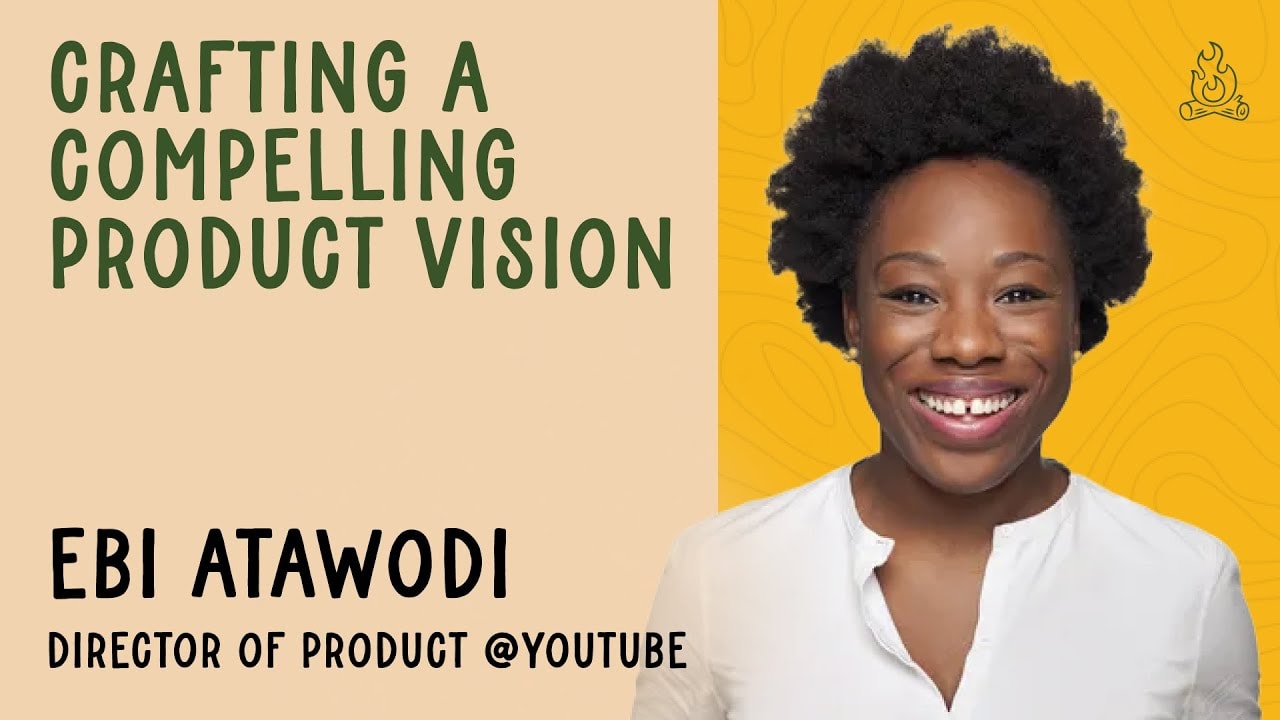
Lenny and Friends Summit 2024 talk in which Ebi Atawodi, a Director of Product at YouTube, explains how to craft a compelling product vision, drawing on her work on YouTube Studio. She says a quote about a life without purpose during the pandemic led to her why of helping people harness storytelling. She says leaders should not assume they have the answers, and describes starting with a list of 10 things I should know from many teammates, then locking a team in a room to write a vision called expression meets connection. She says strategy is saying yes to some great ideas and no to others, shares a three pillar strategy of reach, refine and sustain a creator's voice, and a playbook of empathize, envision and evangelize shown through three senior product managers. The talk was recorded live in San Francisco on October 24. PARTIAL COVERAGE: the captions cover roughly the first 15 minutes of the 22 minute talk, so the later evangelize section and the close are not fully summarized. All claims are the speaker's own and are not independently checked. Nothing here is legal, financial or medical advice.
Lenny's Podcast: Product | Career | Growth
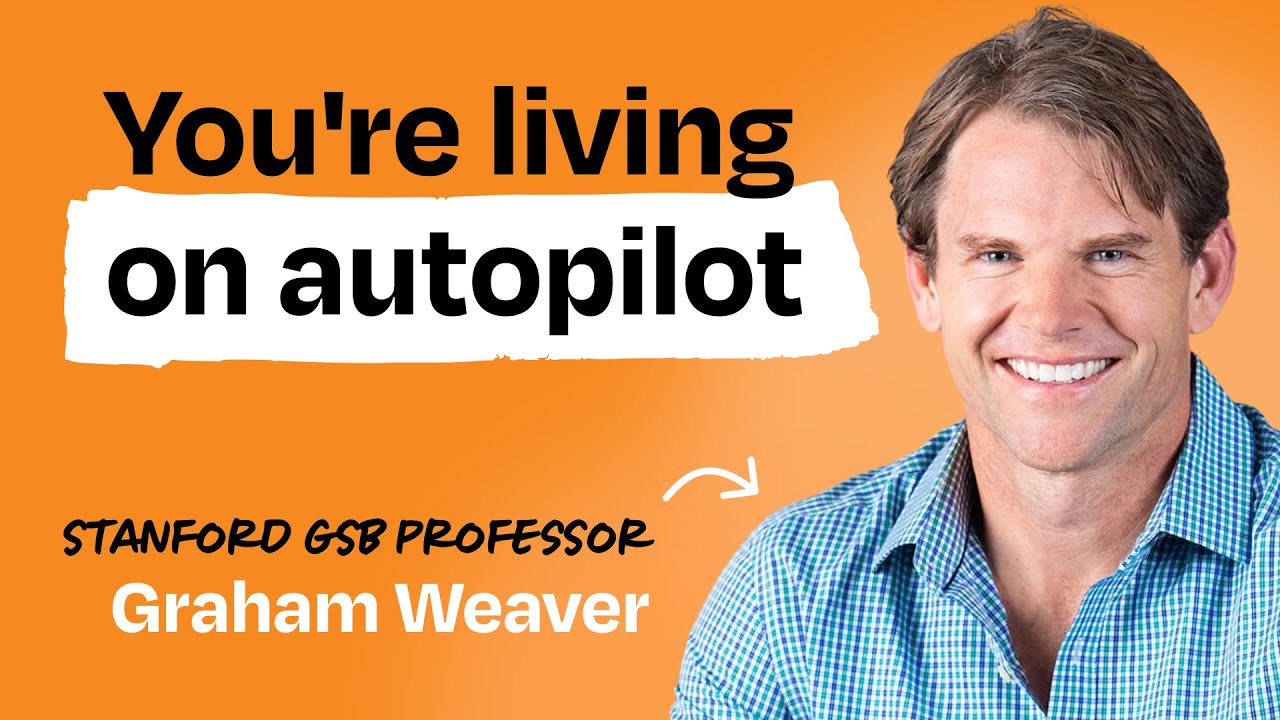
Lenny's Podcast episode, sponsored by Merge and Persona, in which Lenny Rachitsky talks with Graham Weaver, Stanford GSB's 2024 distinguished teaching award winner and founder-CEO of Alpine Investors, about breaking out of autopilot to build the life you actually want. Weaver says half his student meetings, at a business school, are really one question: what should I do with my life - usually a student weighing options A and B while their energy obviously belongs to B. His genie framework asks what you would pursue if a genie guaranteed it would turn out great, and his nine-lives exercise extends it. He describes autopilot as the unintentional day - commute, emails, dinner, sleep, repeat - and his law of the first move: everything you want is on the other side of worse first, because the first move is always negative, which is why plateaus hold people who will not accept a hard day, week or year. PARTIAL COVERAGE: this summary highlights the core exercises; accountability tactics and later discussion are not covered. These are Weaver's own frameworks and views, not independently verified, and nothing here is career advice.
Lenny's Podcast: Product | Career | Growth
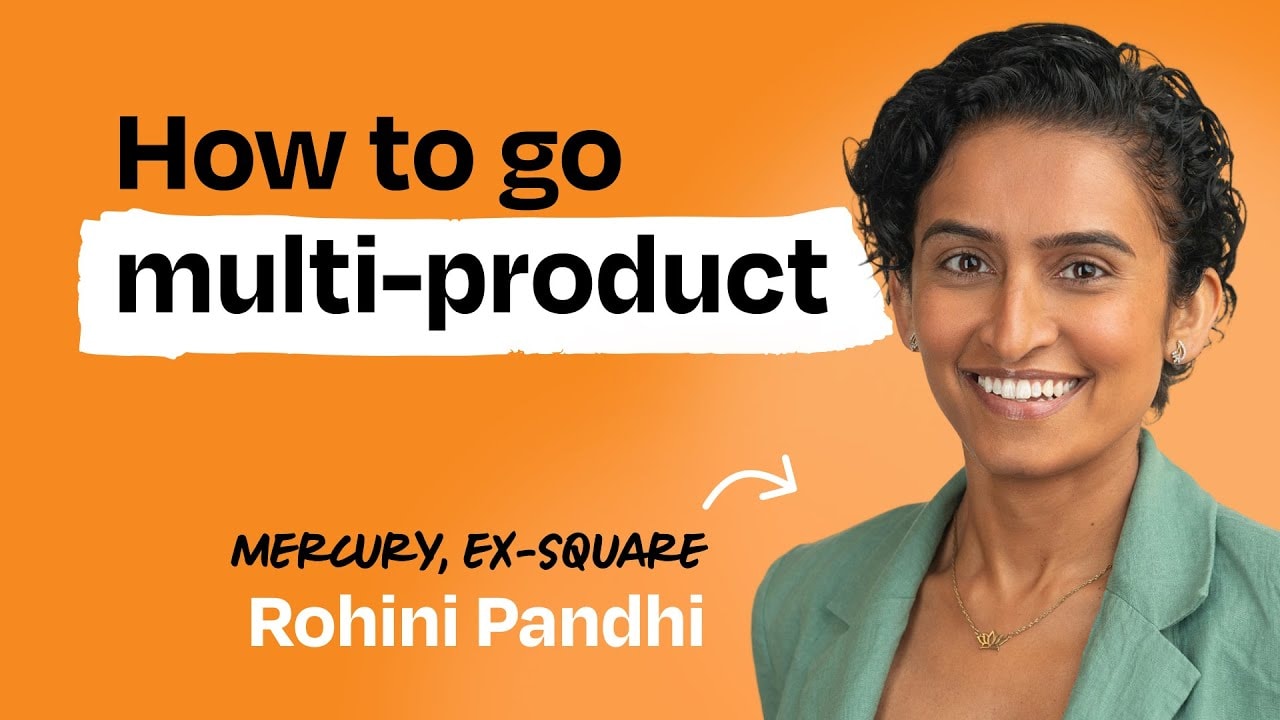
Lenny's Podcast episode, sponsored by Cloudinary and OneSchema, in which Lenny Rachitsky talks with Rohini Pandhi, product leader for Mercury's product expansion team and formerly seven years at Square, about building a product team from scratch and going multi-product. Mercury famously had zero product managers until roughly 400 employees - Pandhi explains that bottlenecks forced the change, because somebody does the PM duties even when nobody holds the title. She describes Mercury's three PM archetypes - pioneers for zero-to-one, town settlers for growth-stage products, and city planners for mature ones - and what actually attracts top product talent. Her multi-product lesson from incubating half a dozen new lines in a year: seedlings planted too close to the core banking org get crushed, so new products need real organizational distance. She also argues for investing in quality and user experience over pure metric-moving as a differentiator. PARTIAL COVERAGE: this summary highlights the team-building and multi-product lessons; hiring tactics are not covered in detail. These are Pandhi's own views and experiences, not independently verified.
Lenny's Podcast: Product | Career | Growth
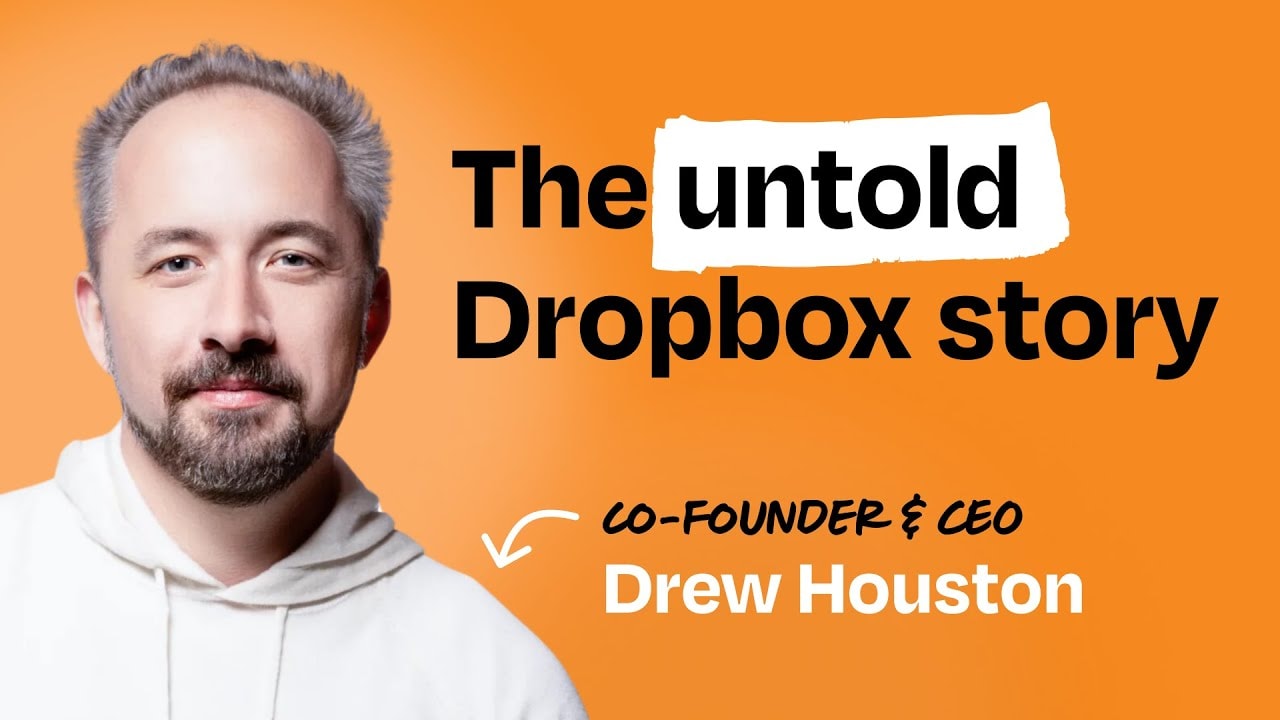
Drew Houston on market selection, durable advantage, founder-product connection and frustration-driven problem choice. Selected coverage omits personal-struggle/recentering and later product, AI and advice material. Dropbox history is his account, unverified here. Untimed editorial topics are not video chapters.
Lenny's Podcast: Product | Career | Growth
Alisa Cohn on difficult workplace conversations, specific feedback and meeting follow-through. Selected third-party transcript coverage; client stories are her accounts, not independently verified. Not employment or legal advice. Untimed editorial topics are not video chapters.
Lenny's Podcast: Product | Career | Growth
Lenny's Podcast episode in which Lenny Rachitsky talks with Eilon Reshef, co-founder and chief product officer at Gong. Eilon describes Gong's pod model, started around 2016, where small cross-functional pods of a product manager, a designer and engineers own an outcome, and how pods work with design partners drawn mostly from existing customers. He says a research coordinator sets up customer meetings so product managers can focus on learning, and that design partners should guide the team rather than him. He also explains his spiral method for learning a complex topic by asking each expert who else to speak with until he stops hearing anything new, and mentions embedded AI specialist teams that iterate quickly. Sponsors named: WorkOS and the Think Fast, Talk Smart podcast. PARTIAL COVERAGE: the captions cover the full conversation, but this summary highlights the pod model, design partners and the spiral method only, so other segments are not summarized. All views are the speakers' own and are not independently checked. Nothing here is financial, legal or investment advice.
Lenny's Podcast: Product | Career | Growth
Jackson Shuttleworth on experiment learning, complexity and cross-functional iteration planning. Selected third-party transcript coverage excludes psychology and loss-aversion claims, notification tactics, streak protection and monetization, learning-effectiveness claims and closing advice. Duolingo figures and outcomes are his accounts, unverified here. Untimed editorial topics are not video chapters.
Lenny's Podcast: Product | Career | Growth
Lenny and Friends Summit 2024 talk in which Julie Zhuo shares a five step process for influencing decisions without a right versus wrong mindset. She opens with a prioritization quiz between an infrastructure rewrite, an onboarding redesign and a new feature, then says the real question is how to shape a strong opinion into a good outcome. Step one is to draw a circle that includes the person you disagree with, so you are both against the problem. Step two is to assume everyone sees some truth, using the parable of the blind men and the elephant. Step three is to act like detectives and ask what would have to be true for each option to win. The description says the talk is about collaborative, data informed choices, and was recorded live in San Francisco on October 24. PARTIAL COVERAGE: the captions cover roughly the first 15 minutes of the 30 minute talk, so steps four and five and the close are not summarized. All claims are the speaker's own and are not independently checked. Nothing here is legal, financial or medical advice.
Lenny's Podcast: Product | Career | Growth
Lenny and Friends Summit 2024 talk in which Scott Belsky, who founded Behance and later oversaw Adobe's Creative Cloud, shares insights for making and leading products people love. He describes Behance as a platform of 56 million creatives and his years at Adobe, then lists lenses he calls seeing the Matrix as a product leader. He says data is a compass, not a map, that new products should optimize for the problems you want to have, and that shallow value should come before deep value. He says Behance improved when the team killed features such as groups and tip exchange, and describes a product life cycle where users flock to simple products, then power user features add complexity. He says early customers are lazy, vain and selfish, so onboarding should show rather than explain. The description says the talk was recorded live in San Francisco on October 24. PARTIAL COVERAGE: the captions cover roughly the first 14 minutes of the 27 minute talk, so later insights and the human thread at the end are not summarized. All claims are the speaker's own and are not independently checked. Nothing here is legal, financial or medical advice.
Lenny's Podcast: Product | Career | Growth
Seth Godin on quality, choosing customers, brand promises and traction. Selected product-and-strategy discussion, excluding AI, origin stories and later company case details. His examples and generalizations are views, unverified here. Untimed editorial topics are not video chapters.

Lenny's Podcast: Product | Career | Growth
Lenny's Podcast episode, sponsored by Eppo and Paragon, in which Lenny Rachitsky talks with Michael Margolis, UX research partner at Google Ventures for nearly 15 years and author of the free book Learn More Faster, about identifying your bullseye customer in a single day. Margolis, who helped develop the Design Sprint and has worked with over 300 companies, defines the bullseye customer as the very specific subset of your market most likely to adopt first - Amazon started with books, Facebook with college profiles. His one-day formula is five and three in one: five bullseye customers, three simple prototypes, interviews conducted in one day while the whole team watches and debriefs. The payoff is depth of understanding, prioritization of feedback, and team alignment on what to build first. PARTIAL COVERAGE: this summary highlights the framework; the recruiting and interview tactics are not covered. These are Margolis's own methods, not independently verified.
Lenny's Podcast: Product | Career | Growth
Jen Abel on the founder's role in early sales, relevant outreach, customer discovery, knowing the signer and qualification. Selected third-party transcript coverage excludes sponsor reads, legal and contract advice, numerical benchmarks and broad market claims. Company examples are her accounts, unverified here. Untimed editorial topics are not video chapters.
Lenny's Podcast: Product | Career | Growth
Lenny and Friends Summit 2024 talk in which Figma product lead Mika and product lead Yuki share how to run the product review right by first showing how to do it wrong. Drawing on Yuki's first review with Travis at Uber - where Travis took over and read the deck himself, leaving the PM as a remote control - they argue the common advice is backwards. Most PMs treat reviews as decision forums between radical choices; the Figma pair say the most important outcome is building trust and winning over key stakeholders. Their decode of exec speak: when a CEO asks for the link early, it means get to the actual recommendation. Their main fix: start with the punchline, because the usual slow build of background, problems, goals and principles buries the spicy proposal at the end while everyone tunes out or multitasks. No sponsor read appears in this episode. PARTIAL COVERAGE: this summary highlights the core argument; the full set of tactics from the talk is not covered. These are the speakers' own views and experiences, not independently verified.

Lenny's Podcast: Product | Career | Growth
Raaz Herzberg describes recognizing confused customer conversations, asking for simple explanations and learning a new function through existing product knowledge. Selected third-party transcript coverage excludes financial and growth rankings, acquisitions, security-effectiveness claims, hiring judgments and sponsors. Wiz examples are her retrospective accounts, unverified here. Untimed editorial topics are not video chapters.
Lenny's Podcast: Product | Career | Growth
Lenny and Friends Summit 2024 talk in which a former Meta executive with a 25-year operating career, who left to build career communities for leaders, argues your career is the most important product you will ever work on. She opens with arithmetic: careers now span dozens of jobs across longer lives, and retirement is an antiquated concept built for physical labor. Her building framework splits a career into foundation years - finding a superpower and diversifying experiences - the power years, where you leverage that superpower in the largest role you can get and compensation matters most, and the penthouse, a second career pursued for joy or a decade-long problem. Her practical tool is the job story: product, challenge, opinion, outcome. Collect stories like tools in a chest, and when deciding whether to stay or go, ask what story you will tell in 12 months - if it matches today's story, that is stagnation and time to transition. No sponsor read appears in this episode. PARTIAL COVERAGE: this summary highlights the framework; the closing sections of the talk are not covered. These are the speaker's own views, not independently verified, and nothing here is career advice.

Lenny's Podcast: Product | Career | Growth
Lenny and Friends Summit 2024 talk in which Ami Vora, longtime WhatsApp product leader, shares the lessons of twenty-plus years building products at scale under the title Simplify to Win. Her thesis: simplicity is not just a strategy but a superpower - easier for teams to build and far easier for customers to use. Her knife metaphor carries the talk: a knife has lasted two and a half million years because everything unnecessary has been removed, which is literally the definition of sharpening, and a honed ten-word idea cuts through like a blade while a buried idea mashes like potatoes. From WhatsApp she brings the discipline of the indispensable one thing - for global users on low-end devices, that meant calls and messages going through free, every time, so the whole roadmap served reliability while shinier features waited - and the familiarity principle, borrowing the phone's existing patterns so the app felt known before first use. No sponsor read appears in this episode. PARTIAL COVERAGE: this summary highlights the core lessons; the storytelling sections are not covered. These are Vora's own views and experiences, not independently verified.
Lenny's Podcast: Product | Career | Growth
Melissa Perri on development frameworks, product operating models and product-owner responsibilities. Selected coverage presents her critical view of SAFe, not a neutral verdict, and omits detailed company-failure anecdotes. It does not assess every implementation. Examples are her account, unverified here. Untimed editorial topics are not video chapters.
Lenny's Podcast: Product | Career | Growth
Lenny's Podcast episode, sponsored by Explo and Dovetail, in which Lenny Rachitsky talks with Archie Abrams, VP of product for growth at Shopify leading over 600 people, about why Shopify breaks the standard growth rules. Shopify, roughly 10 percent of US e-commerce with 235 billion dollars of GMV in 2023, bans KPIs on core product teams - decisions run on taste, intuition and a hundred-year vision from CEO Tobi Lutke. Abrams explains why the growth team effectively optimizes for churn: the mission is more entrepreneurship on the internet, so they lower barriers and let many first attempts fail, knowing some merchants become the next Allbirds or FIGS. He shows the funnel trap - teams boost their own conversion rate by making the previous step harder, which shrinks the whole - and why getting more people in the door always hurts conversion rates while helping the business, plus long-term holdouts on every experiment revisited years later. PARTIAL COVERAGE: this summary highlights the philosophy; org design and experiment mechanics are not covered. These are Abrams's own views and company practices, not independently verified.
Lenny's Podcast: Product | Career | Growth
Lenny's Podcast episode, sponsored by WorkOS and Hex, in which Lenny Rachitsky talks with Alistair Croll, author of Lean Analytics and the new book Just Evil Enough, about subversive marketing strategies for startups. Croll's charge: product managers obsess over the next feature while ignoring distribution at their peril - the only thing that matters is an unfair advantage that captures attention and turns it into profitable demand. Subversion, he stresses, is not evil: it is using a system in ways its creators did not intend, like Netflix misappropriating the US Postal Service into a high-latency broadband network while Blockbuster missed it, or Bumble posting fake university bans on unregulated campus walls. He shares eleven strategies for finding these loopholes and the Kraft mac-and-cheese lesson that people often skip your product because it is only half a solution - powdered cheese needed the macaroni. PARTIAL COVERAGE: this summary highlights the mindset and headline examples; the full strategy list is not covered. These are Croll's own views and stories, not independently verified.
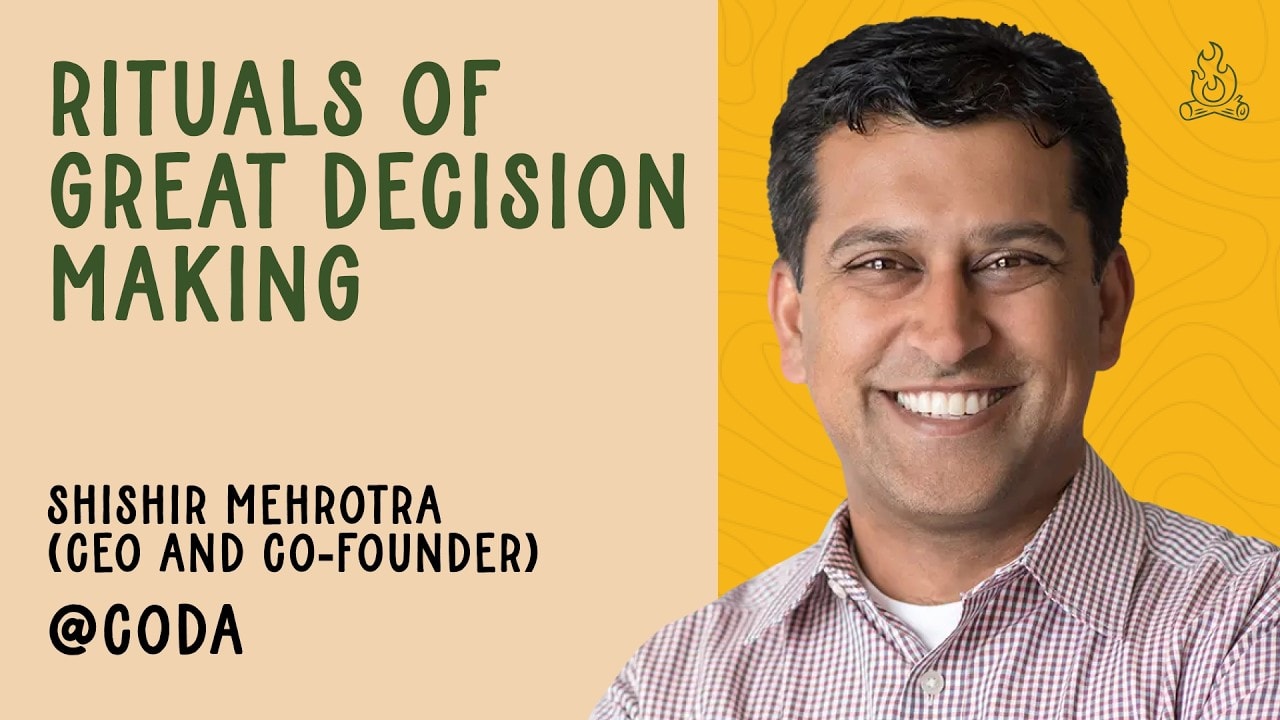
Lenny's Podcast: Product | Career | Growth
Lenny and Friends Summit 2024 talk in which Shishir Mehrotra, CEO of Coda and former YouTube product leader, shares rituals for great decision-making, drawn from the book he is writing in the open, Rituals of Great Teams. It starts with Bing Gordon's golden rituals: great companies keep a small list of rituals that pass three tests - they are named, every employee knows them by their first Friday, and they are templated, like Amazon's six-pagers and Google's OKRs. Dharmesh Shah's observation frames the stakes: you build two products, one for customers and one for employees, and the second one is described as culture but runs on rituals. Mehrotra then works through four decision topics - the right question, process, forum and stakeholders - opening with YouTube's 2008 Modern Family question: the top search query was a show YouTube did not have, half the team wanted to link out to abc.com, half called it suicide, and a Google Shopping insight about users picking consistency over comprehensiveness reframed the whole debate. No sponsor read appears in this episode. PARTIAL COVERAGE: this summary highlights the framing and first topic; the remaining rituals are not covered. These are Mehrotra's own views and stories, not independently verified.
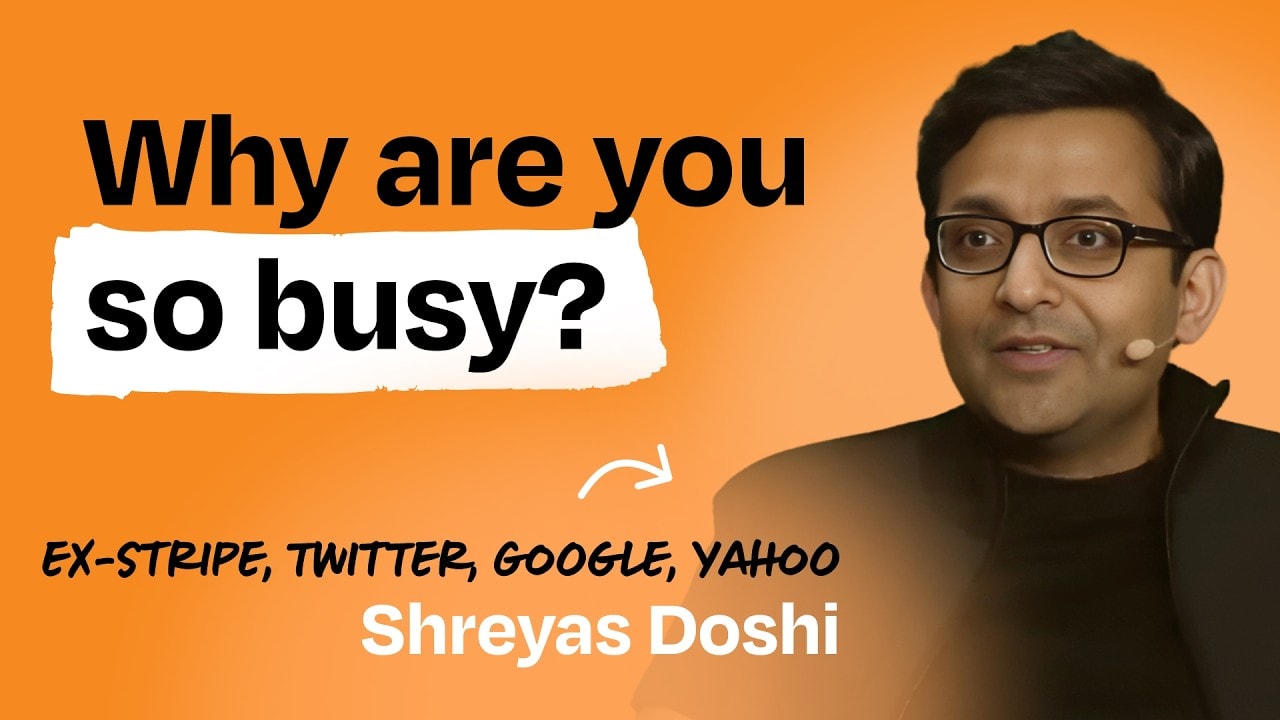
Lenny's Podcast: Product | Career | Growth
Lenny's Podcast episode, sponsored by WorkOS and Paragon, recorded live at the Lenny and Friends Summit before a thousand people, in which Lenny Rachitsky talks with Shreyas Doshi, former product leader at Stripe, Twitter, Google and Yahoo, about the four questions he wishes he had asked himself sooner. Doshi admits that even when he did ask, he was not honest with himself about the answers. The first question is why am I so busy: for sixteen or seventeen of his twenty product years he was stressed daily, and it showed up as physical aches - until he learned that scope is the immovable force. As careers grow, scope eventually outruns every prioritization framework, to-do system and efficiency trick, and no tool fixes that. The conversation also covers why the product job is so frustrating, why building good taste is central, and why you are probably not listening as well as you think. PARTIAL COVERAGE: this summary highlights the first question and frame; the remaining questions and their full treatments are not covered. These are Doshi's own views and experiences, not independently verified.
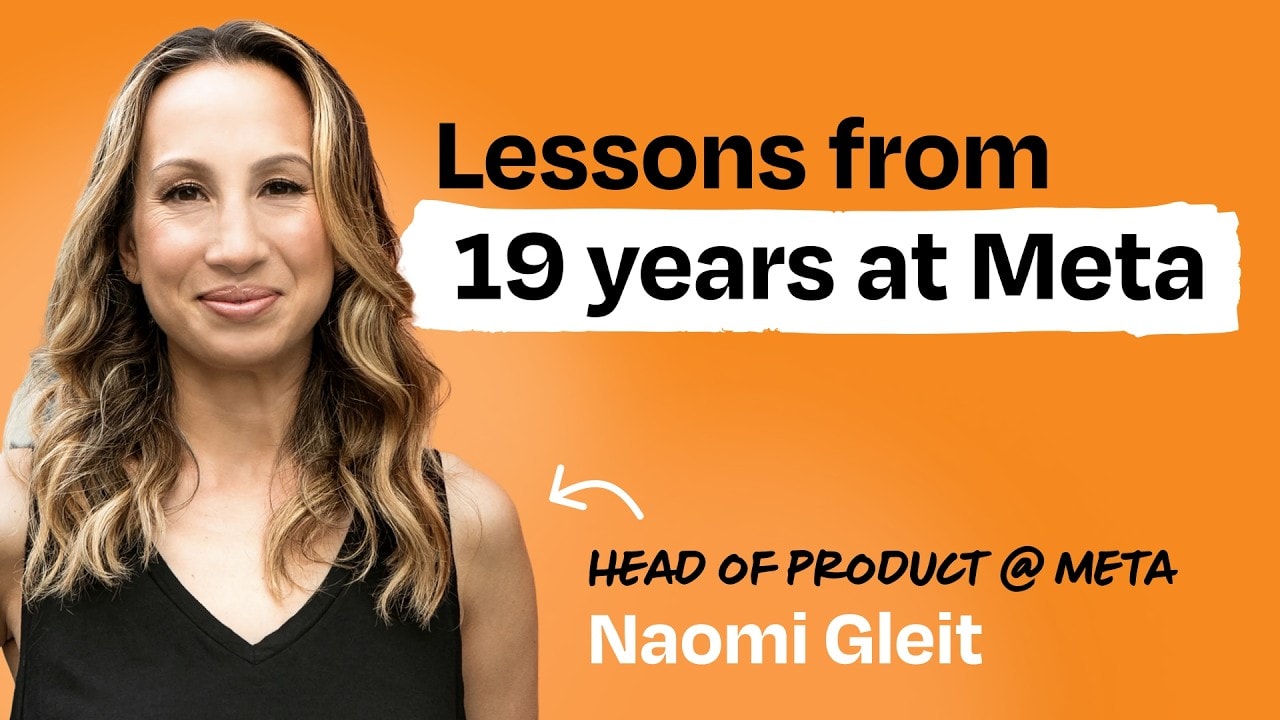
Lenny's Podcast: Product | Career | Growth
Lenny's Podcast episode, sponsored by Pendo and Vanta, in which Lenny Rachitsky talks with Naomi Gleit, head of product at Meta, employee number 29 and the company's longest-serving executive besides Mark Zuckerberg, about lessons from nearly twenty years of building at Meta scale. Gleit shares her canonical-doc rule for extreme clarity: on any project, asking five people where to learn about it must not yield five answers - there is one canonical doc everyone knows, linking to everything else. She recounts landing at Facebook by cold-visiting the Palo Alto office five to ten times until a job appeared, lessons from the legendary early growth team, and her superpower of taking gnarly problems, simplifying them and delivering results, plus leadership lessons from Zuckerberg and the case that the PM is the conductor of the product team. PARTIAL COVERAGE: this summary highlights the frameworks and career story; the tactical lifestyle sections are not covered. These are Gleit's own views and experiences, not independently verified.
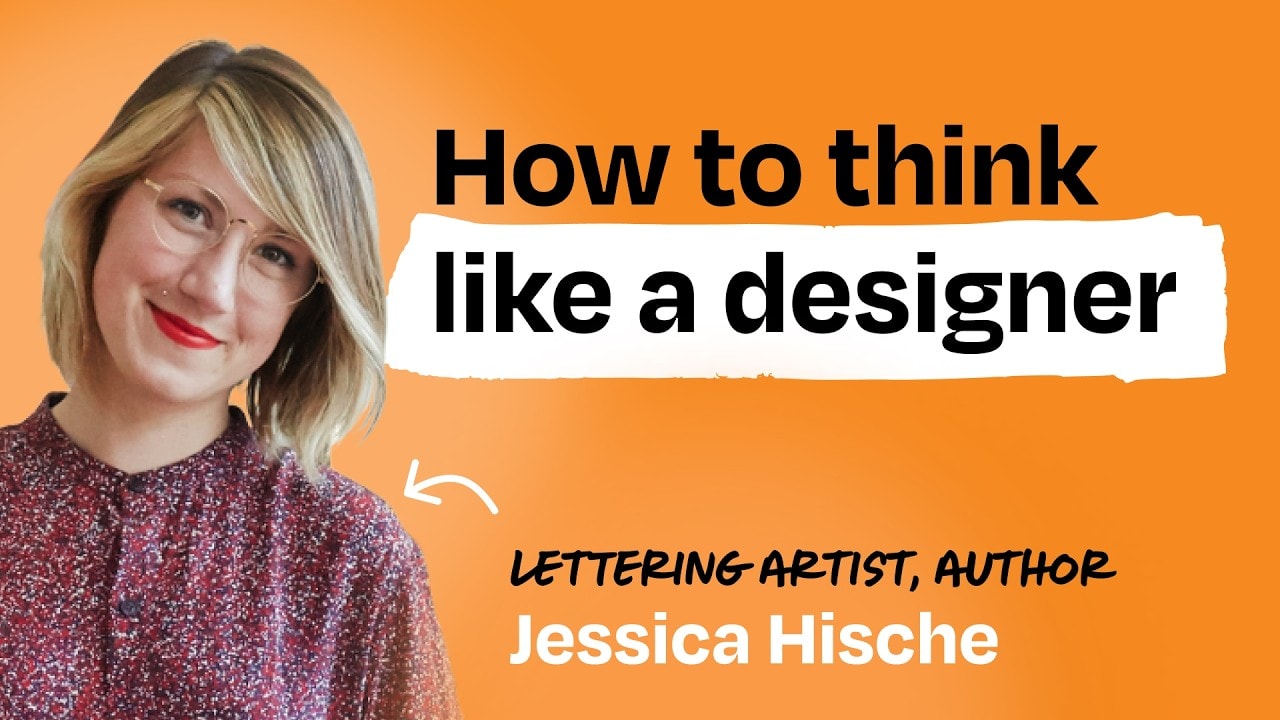
Lenny's Podcast: Product | Career | Growth
Lenny's Podcast episode, sponsored by the Enterprise Ready Conference from WorkOS and by OneSchema, in which Lenny Rachitsky talks with Jessica Hische, the lettering artist behind logos for Mailchimp, Eventbrite and Philz Coffee and the designer of Lenny's own brand refresh, about how to see like a designer. Hische's premise: everyone is an endless absorber of patterns, so non-designers already feel when a logo is off - they just cannot name it - and the exercise is simply to look at fonts and ask what feeling each one gives. She walks through the process behind Lenny's rebrand, which elements of a logo shape how a brand feels, and why a good-enough logo buys a long time for most startups. She also pushes back on don't-judge-a-book-by-its-cover: a cover should give real insight into the interior, design and content working as one. PARTIAL COVERAGE: this summary highlights the principles and process; the detailed design critique and stories are not covered. These are Hische's own views, not independently verified.
Lenny's Podcast: Product | Career | Growth
Anneka Gupta on founder collaboration, business details, early strategy discussions, difficult colleagues and direct, caring feedback. Selected coverage omits cybersecurity planning and receiving-feedback segments. Company examples are her account, unverified here. Untimed editorial topics are not video chapters.
Lenny's Podcast: Product | Career | Growth
Lenny's Podcast episode, sponsored by Pendo and the Enterprise Ready Conference, in which Lenny Rachitsky talks with J.M. Nickels, product leader across Uber, DoorDash and Waymo who built the first Uber Pool and later led Uber's mobility product, about conscious leadership. Nickels defines leadership simply as having influence in the world - which makes everyone a leader - and the conscious part as waking up to your interior world, the inherited belief systems that go unquestioned, and then taking responsibility for the influence you have. He describes his own evolution from needing to be the loudest, rightest voice in the room to making space for others, mindful of the power dynamics his seniority creates, and the objective-function test: five years from now he will not care about a slightly better presentation, but he will care about his relationship with his daughters - so mortality should punctuate priorities. PARTIAL COVERAGE: this summary highlights the philosophy; the tactical product sections are not covered. These are Nickels's own views and experiences, not independently verified.
Lenny's Podcast: Product | Career | Growth
Lenny's Podcast episode, sponsored by Coda, Eppo and Vanta, in which Lenny Rachitsky talks with Alex Komoroske, who spent thirteen years at Google leading Chrome's Open Web Platform team and served as Stripe's head of corporate strategy, about thinking like a gardener instead of a builder. The builder mindset - make a plan, manipulate things to match it - can only create as much value as the effort put in, Komoroske argues, while gardened systems grow on their own with direction and curation, and done properly the result looks like magic. The wide-ranging conversation draws on his 600-page Bits and Bobs doc, a weekly self-reflection practice he keeps deliberately a little illegible, and covers slime mold, organizational kayfabe, the adjacent possible, strategy salons and what product work becomes as AI spreads. PARTIAL COVERAGE: this summary highlights the gardener philosophy and note-taking practice; the AI sections are not covered. These are Komoroske's own views, not independently verified.
Lenny's Podcast: Product | Career | Growth
Lenny's Podcast episode, sponsored by Eppo and Paragon, in which Lenny Rachitsky talks with Benjamin Lauzier, employee number 30 at Lyft who led product and growth for the driver side and later rebuilt product and growth at Thumbtack as VP, about how marketplace businesses win. Lauzier's operating philosophy: marketplace operators sit in an ivory tower wishing users would behave, when the better move is guardrails and empowerment - set a clear quality bar, coach and equip supply to succeed, then step back, find the gaps and invest hands-on only where they remain. He defines the marketplace by what the company does not own - the supply - and maps the spectrum from unmanaged Craigslist to semi-managed Lyft, where the platform significantly shapes the transaction. The conversation goes deep on pre-PMF focus, which side to prioritize, tracking liquidity, why most marketplaces fail, and how Lyft competed with Uber at one-tenth the resources. PARTIAL COVERAGE: this summary highlights the operating philosophy; the Europe comparison and case studies are not covered. These are Lauzier's own views and experiences, not independently verified.
Lenny's Podcast: Product | Career | Growth
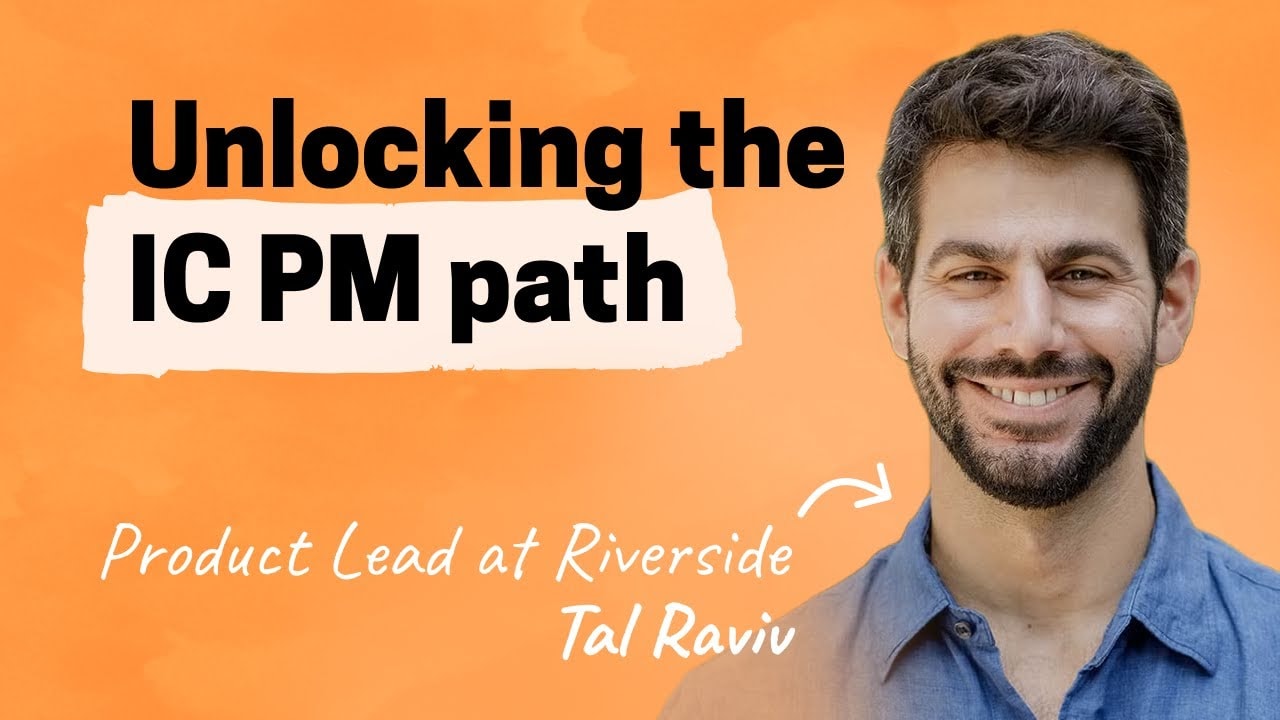
Lenny's Podcast episode, sponsored by Gamma and WorkOS, in which Lenny Rachitsky talks with Tal Raviv, a product manager at Patreon, Wix and AppsFlyer who joined Riverside as its first PM, about staying an individual contributor for twelve years and counting. Raviv's career strategy is not to have one: he follows what makes him excited to wake up in the morning, and he has never looked at a manager's calendar and wanted that life - a pattern he shares with colleagues who tried leadership and insisted on returning to IC. The conversation covers tactical PM productivity, why every tech company has just two departments that matter, and an extended Failure Corner, including the time thousands of people tagged his CEO demanding he be fired - because Raviv wants people to see that successful people fail a lot and those failures make you better. PARTIAL COVERAGE: this summary highlights the IC philosophy and failures; the productivity tactics are not covered. These are Raviv's own views and experiences, not independently verified.
Lenny's Podcast: Product | Career | Growth
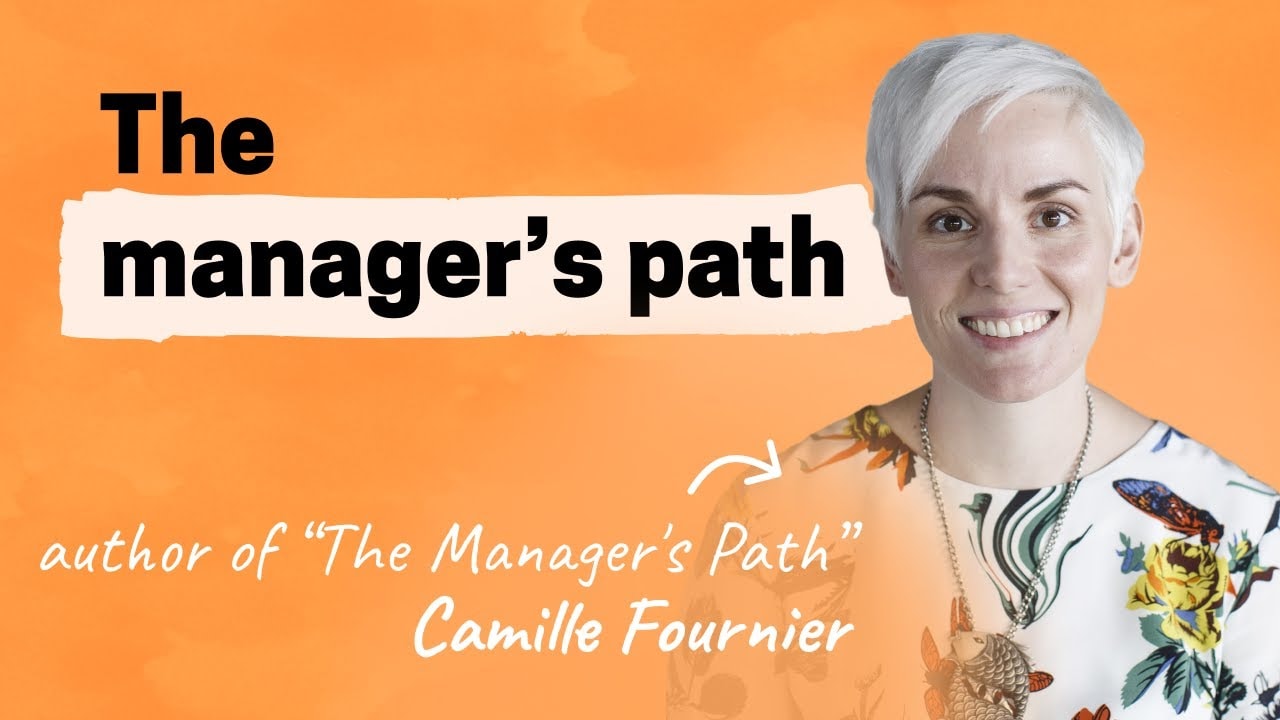
Camille Fournier on PM-engineer relationships, system changes, technical leadership and meetings. Selected coverage omits overwork and platform-engineering sections. Observations and management advice reflect her experience, not universal rules. Untimed editorial topics are not video chapters.
Lenny's Podcast: Product | Career | Growth
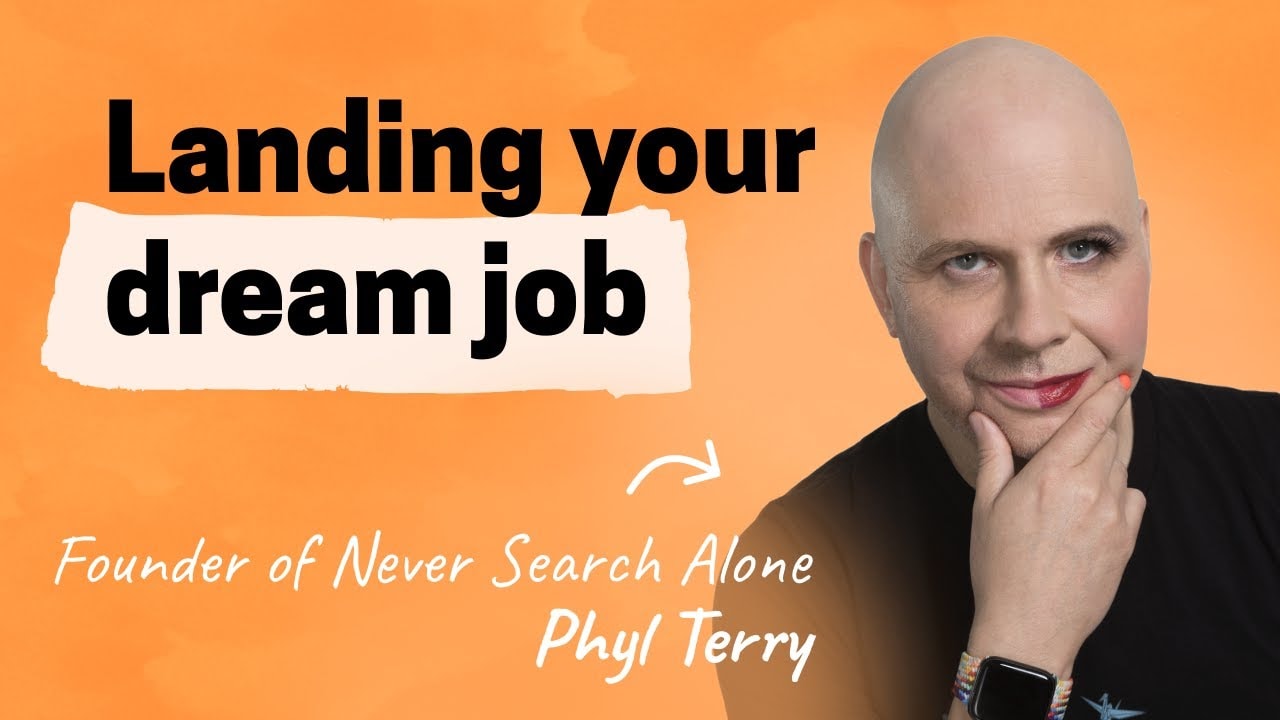
Lenny's Podcast episode, sponsored by Dovetail and Sprig, in which Lenny Rachitsky talks with Phyl Terry, author of Never Search Alone and longtime CEO of the consulting firm Creative Good, about landing a job you love by treating the search like product work. Terry's core metaphor: job seekers need a spear, not a net - the spray-and-pray approach fails for the same reason a product for everyone fails, so the first step is candidate market fit, built by honestly listing what you want and what you do not. Terry's second invention is the Job Search Council, a support group of six to eight seekers, grounded in a psychological hack: everyone, even public-company CEOs, feels insecure and anxious in a job search, and putting anxious people together in vulnerability defuses it. And when interviewing and negotiating, play to win, not not to lose - the candidate has to be in charge. PARTIAL COVERAGE: this summary highlights the framework; the negotiation tactics are not covered. These are Terry's own views and methods, not independently verified.
Lenny's Podcast: Product | Career | Growth
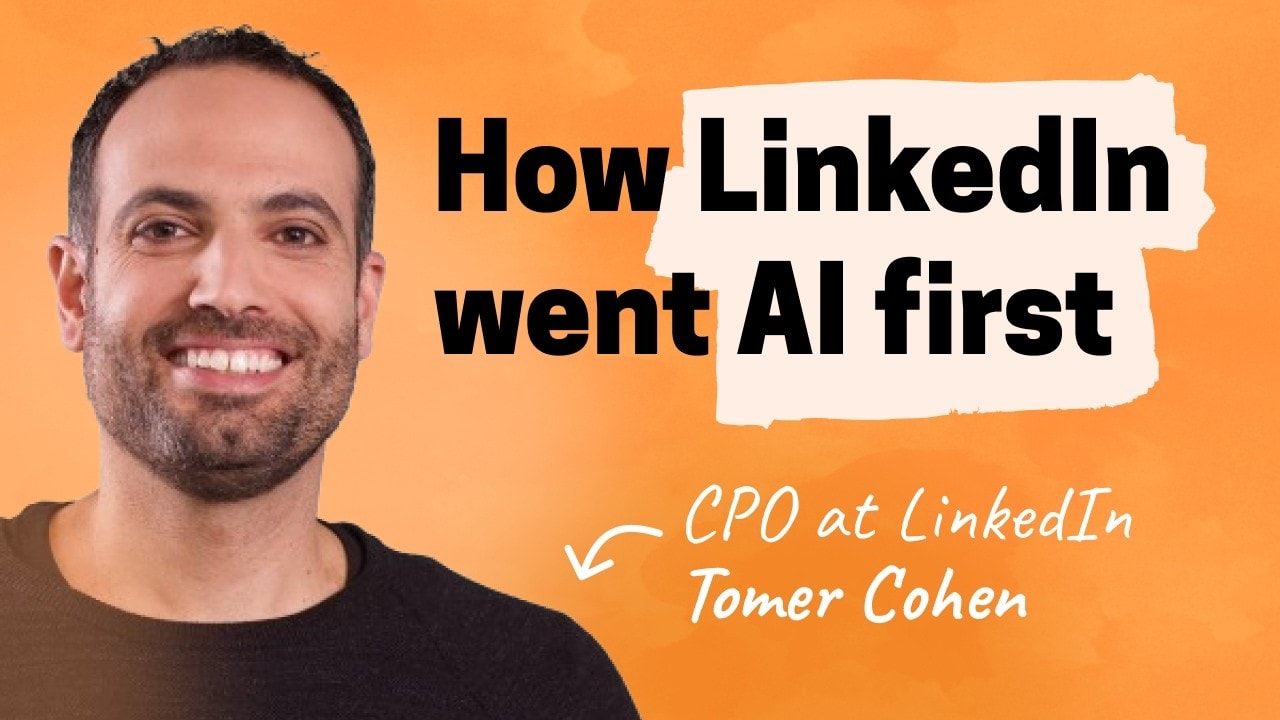
Lenny's Podcast episode, sponsored by Gamma, Merge and WorkOS, in which Lenny Rachitsky talks with Tomer Cohen, chief product officer at LinkedIn, about the strategy behind LinkedIn's turnaround into a feed people check ten times a day. Cohen starts backwards from potential: LinkedIn is a platform for economic opportunity on a strong social graph, so the feed's new purpose was people that matter talking about things you care about professionally - not a springboard for other products, not a traffic jumpstart, not an upsell feed. His signature Tomerism, we might be wrong but we are not confused, came from a founder on the brink of failure whose team kept hedging after deciding a path: pulling in one direction does not guarantee success, but confusion guarantees failure, and the phrase became so ingrained he no longer needs to say it. He also shares the mindset behind his fast rise and his go-back-to-the-objective approach to new technology. PARTIAL COVERAGE: this summary highlights the strategy and leadership ideas; the mobile and feed mechanics are not covered. These are Cohen's own views, not independently verified.
Lenny's Podcast: Product | Career | Growth
Sean Ellis describes learning from users who value a product, understanding their core benefit and connecting messaging with onboarding. Selected third-party transcript coverage excludes numerical fit thresholds, growth and financial figures, ad-platform tactics, security claims and sponsors. Company examples are his historical accounts, unverified here. Untimed editorial topics are not video chapters.
Lenny's Podcast: Product | Career | Growth
Lenny's Podcast episode, sponsored by Eppo, Pendo and Vanta, in which Lenny Rachitsky talks with Vlad Loktev, his former manager at Airbnb who rose from IC PM to GM of the core homes business reporting to Brian Chesky and is now a partner at Index Ventures, about the mindsets behind his career. Loktev's first discipline is inquiry over advocacy: most people enter a conversation pushing a position, while he asks a ton of questions first because there is always something he does not know. From Chesky he learned to embrace chaos - when things are too calm, create chaos to force creative leaps - and to poke the bear rather than fear it. His answer on what drove his success is one word repeated: impact, impact, impact. He also shares tactics for scaling a fast-growing org and his inside view of Airbnb's move away from traditional product management. PARTIAL COVERAGE: this summary highlights the mindsets; the org-scaling tactics are not covered. These are Loktev's own views and experiences, not independently verified.
Lenny's Podcast: Product | Career | Growth
Lenny's Podcast episode, sponsored by Webflow and Vanta, in which Lenny Rachitsky talks with Nikita Bier, who sold tbh to Facebook for over 30 million dollars and Gas to Discord, about his playbook for making consumer apps go viral. Bier's founding insight is latent demand: when the number one US app was entirely in Arabic, that was the strongest possible signal people wanted something - find where users endure a distorted process to get a value and adoption can be intense. His hot take on product management at big tech: there is very little of it, mostly documents and approvals, because products live and die in the pixels - the hierarchy, flows and design are on you. He recounts the chaos of scaling, sleeping three hours a day for three months while servers crashed, and the tactical growth hacks he says nobody else knows. PARTIAL COVERAGE: this summary highlights the philosophy and origin stories; the full growth-hack list is not covered. These are Bier's own views and stories, not independently verified.
Lenny's Podcast: Product | Career | Growth
Deb Liu on learning and impact, communication, inclusive meetings, growth tests and onboarding. Selected third-party transcript coverage excludes detailed company-building history, the individual performance-review story, marriage advice and closing recommendations. Company examples are her accounts, unverified here. Untimed editorial topics are not video chapters.
Lenny's Podcast: Product | Career | Growth
Kevin Yien on concrete proposals, problem boundaries, delivered value, internal busyness and decision-log practice. Selected third-party transcript coverage excludes sponsor reads, AI passages, candidate and hiring advice, numerical company claims, automated research instructions and company anecdotes. Untimed editorial topics are not video chapters.
Lenny's Podcast: Product | Career | Growth
Lenny's Podcast episode, sponsored by Eppo, Explo and Webflow, in which Lenny Rachitsky talks with Evan LaPointe, founder of CORE Sciences and the analytics product Satellite acquired by Adobe, about using how the brain actually works to improve strategy, influence and decision-making. LaPointe's core image is the college campus: your brain has a history department for looking up what you know, a science department for open-minded experimentation and an art department for boundless creativity - and because the brain is built to conserve energy, most people rely on the history department way too much, the lowest-energy way to answer anything, when routing the same question to the other departments gets dramatically better answers. On influence, he says choose your character like a video game and find the style that fits your personality, and on teams he offers the sharpest question in the episode: not how good am I at my job, but what kind of experience am I - because if you are a miserable experience, nothing else matters until you fix it. PARTIAL COVERAGE: this summary highlights the framework; the deeper systems are not covered. These are LaPointe's own views, not independently verified.
Lenny's Podcast: Product | Career | Growth
Brian Tolkin on product reviews, low-volume experiments, judgment and marketplace liquidity. Selected third-party transcript coverage; company stories are his accounts, unverified here. Zillow and closing recommendations omitted. Untimed editorial topics are not video chapters.
Lenny's Podcast: Product | Career | Growth
A Lenny's Podcast conversation with Timothy Davis, who leads performance marketing at Shopify, on how to start and run paid growth: platform order, creative, LinkedIn tests, benchmarks and reading Google Ads reports. PARTIAL COVERAGE: the episode runs about 102 minutes and the available caption text is cut off near the end of the Google Ads report discussion, so about half the episode is covered and the final sections (such as hiring) may be missed. The caption is auto-generated and lightly punctuated. Examples are Davis's own and are not verified. This is a summary of his views, not financial advice.
Lenny's Podcast: Product | Career | Growth
Roger Martin on integrated strategic choices, the five-question cascade and closing outcome gaps. Selected coverage omits AI, auto-industry discussion and the exchange affected by the publisher's Rumelt/D'Aveni name correction. Business examples are his account, unverified here. Untimed editorial topics are not video chapters.

Lenny's Podcast: Product | Career | Growth
Lenny's Podcast episode, sponsored by Pendo, in which Lenny Rachitsky talks with Rory Sutherland, vice chairman of Ogilvy UK and founder of the Nudgestock festival, about what most people miss about marketing. Sutherland's opening provocations: Steve Jobs was not a technologist but a pitch man, and when products succeed we forget how decisive marketing was - so do not assume good products automatically succeed or bad ones fail, and do not reject ideas that failed before because timing matters more than logic. He mourns the Meta Portal TV, a brilliant product killed by nine paragraphs of privacy paranoia in every review, as proof. His brand advice to early founders is three words - be consistent, be distinctive, and be famous - because fame is an escape velocity where customers start coming to you, and idiosyncrasies count double: Rolls-Royce's floor pedal and Veuve Clicquot's yellow label are assets, not flaws. PARTIAL COVERAGE: this summary highlights the principles; the stories and behavioral-science digressions are not covered. These are Sutherland's own views, not independently verified.
Lenny's Podcast: Product | Career | Growth
Jessica Lachs on analytics structure, business partnership, consistent metrics, explicit trade-offs and hiring. Selected third-party transcript coverage excludes sponsor reads, AI-product passages, personal wellbeing discussion and numerical company claims. DoorDash examples are her accounts, unverified here. Untimed editorial topics are not video chapters.
Lenny's Podcast: Product | Career | Growth
Jeff Weinstein on customer needs, listening and useful quantitative and qualitative metrics. Selected third-party transcript coverage excludes financial, tax and incorporation details, hiring, AI, personal recommendations and most later sections of this long interview. Stripe examples are his accounts, unverified here. Untimed editorial topics are not video chapters.
Lenny's Podcast: Product | Career | Growth
Lenny's Podcast episode, sponsored by Anvil, Enterpret and Webflow, in which Lenny Rachitsky talks with Mike Maples Jr, Floodgate co-founder and eight-time Midas List investor behind early bets on Twitter, Lyft, Twitch and Okta, about his book Pattern Breakers and where breakthrough startup ideas come from. After realizing 80 percent of his exit profits came from pivots - and forgetting he even owned Twitch through Justin.tv - Maples spent years studying thousands of his own pitch decks and found three elements behind most breakthroughs: inflections, insights and founder-future fit. His core claim: business is never a fair fight, and inflections let founders wage asymmetric warfare on the present, because a startup never beats a big company by executing better - it wins by proposing a radically different future that disorients the incumbent. On finding ideas, he argues secrets go to people who get their hands dirty, and if you are living in the future and notice what is missing, your intuition about what to build is far more likely to be right. PARTIAL COVERAGE: this summary highlights the framework; the case studies are not covered. These are Maples's own views and research, not independently verified.
Lenny's Podcast: Product | Career | Growth
Lenny's Podcast episode, sponsored by WorkOS and Anvil, recorded live on stage at Figma's Config conference at the Moscone Center - the podcast's first live taping - in which Lenny Rachitsky talks with Figma CEO and co-founder Dylan Field about intuition, simplicity and the future of design. Field describes how he builds and refines his product taste, framing intuition as a hypothesis generator rather than a verdict, and explains how he tries to operationalize keeping Figma simple - because if you do not keep simple things simple, the product becomes a monstrosity really fast. Responding to the Config conversation about AI-generated software, he argues the outcome cuts the other way: more generated software raises the value of craft, quality and unique design as the real differentiators. He also shares early Figma stories rarely told in public. PARTIAL COVERAGE: this summary highlights the taste and simplicity themes; the early-days stories are not covered. These are Field's own views, not independently verified.
Lenny's Podcast: Product | Career | Growth
Jessica Livingston on founder openness, confidence, commitment and co-founder relationships. Selected coverage of her social radar in interviews; personal material, recommendations and Zenefits/Parker Conrad are omitted. YC and business examples are her account, unverified here. Untimed editorial topics are not video chapters.
Lenny's Podcast: Product | Career | Growth
Ami Vora on product reviews, hill-climb trade-offs, metaphors, execution and healthy team tension. Selected coverage omits childhood/need-to-be-right, feedback and career material. Company examples are her account, unverified here. The three-facts analogy is not a scientific limit. Untimed editorial topics are not video chapters.
Lenny's Podcast: Product | Career | Growth
Tanguy Crusson describes testing assumptions, learning from customers and keeping a new product focused inside a large company. Selected third-party transcript coverage excludes acquisitions, financial figures, hiring, health language, forecasts and sponsors. Company examples are his retrospective accounts, unverified here. Untimed editorial topics are not video chapters.
Lenny's Podcast: Product | Career | Growth
Lenny's Podcast episode, sponsored by Heap, Uizard and Webflow, in which Lenny Rachitsky talks with Jeffrey Pfeffer, Stanford GSB professor whose Paths to Power course is one of the most oversubscribed in the MBA program, about The Seven Rules of Power. Pfeffer's case starts with evidence: political skill measurably correlates with salary, promotions, career happiness and less stress - and he describes how the world is, not how it should be. The seven rules: get out of your own way, break the rules, show up powerfully, build a powerful brand, network relentlessly, use your power, and know that once you have it, what you did to get there will be forgiven, forgotten or both. To listeners who recoil, he answers that this is not about personality - these are learnable skills - and that the discomfort itself is rule one in action; his book opens with the line that if you want power used for good, more good people need to have it. PARTIAL COVERAGE: this summary highlights the frame and rules; the examples are not covered. These are Pfeffer's own views and research, not independently verified.
Lenny's Podcast: Product | Career | Growth
Lenny's Podcast episode, sponsored by Mercury and Vanta, in which Lenny Rachitsky talks with Uri Levine, co-founder of Waze and nine other companies with two billion-dollar exits, about the lessons in his book Fall in Love with the Problem, Not the Solution. Levine's thesis: entrepreneurship is value creation, and solving a problem is the simplest path - fall in love with the problem and it becomes the North Star of the journey, keeping you on course, and it makes the story compelling, because nobody cares about an AI crowdsourced navigation system but everyone cares about avoiding traffic jams, and customers who care help you succeed. His firing tactic: thirty days after every hire, ask knowing what I know today, would I hire this person - and if the answer is no, fire immediately. On fundraising, the first slide matters most because it is on screen longest, and the last slide is second. PARTIAL COVERAGE: this summary highlights the core doctrine; the PMF and exit chapters are not covered. These are Levine's own views and methods, not independently verified.
Lenny's Podcast: Product | Career | Growth
A Lenny's Podcast conversation with Cameron Adams, co-founder and chief product officer at Canva, on Canva's scale, its coach-not-manager culture, how it approaches product management, and its freemium and subscription strategy. PARTIAL COVERAGE: the available caption text is auto-generated, lightly punctuated and cut off during the discussion of Canva's subscription, so any later topics such as AI in the product are not covered here. Scale figures such as the 2.3 billion dollars in annual recurring revenue are the host's and unverified.
Lenny's Podcast: Product | Career | Growth
Lenny's Podcast episode, sponsored by Enterpret, Heap and Webflow, in which Lenny Rachitsky talks with Matt Dixon, author of The Challenger Sale and The JOLT Effect, about what two and a half million recorded sales conversations reveal about why deals die. The headline finding: most deals are lost not to competition but to customer indecision, and that indecision is fear of failure - buyers are not afraid of missing out, they are afraid of messing up, which is why dialing up FOMO backfires most of the time. Dixon's JOLT method answers it: Judge the level of indecision, Offer a recommendation, Limit the exploration to build trust, and Take risk off the table. He also revisits The Challenger Sale - built on a study of thousands of salespeople - where the move is showing customers what should keep them up at night, a risk they do not know about but you do. PARTIAL COVERAGE: this summary highlights the research findings; the play-by-play tactics are not covered. These are Dixon's own research conclusions and views, not independently verified.
Lenny's Podcast: Product | Career | Growth
Bangaly Kaba on planned understanding work, parallel execution, diagnosing change and product leadership as coaching. Selected coverage omits background, career-environment scoring and later flywheel/Instagram segments. Company outcomes are his account, unverified here. Untimed editorial topics are not video chapters.
Lenny's Podcast: Product | Career | Growth
Lenny's Podcast episode, sponsored by Sidebar and Webflow, in which Lenny Rachitsky talks with Kenneth Berger, Slack's first product manager turned executive coach, about his career magnum opus: asking for what you want. Berger's evidence from a decade operating and seven years coaching: when you actually ask out loud, you are much more likely to get it - and the two failure camps are people pleasers who never ask and hope others read their minds, and control freaks who only order. The work starts with knowing what you want, and his compass is complaints: every complaint implies a dream, so each grievance is a draft of a request. The most important step, he argues, is hearing the response you get, because the ask is only the beginning. He also tells the story of being fired from Slack three times. PARTIAL COVERAGE: this summary highlights the core skill; the resistance work and scripts are not covered. These are Berger's own views and coaching methods, not independently verified.
Lenny's Podcast: Product | Career | Growth
Jag Duggal on customer value, evidence before scaling, churn and coherent strategy. Selected third-party transcript coverage excludes financial and investment advice, demographic claims, score thresholds, company performance figures and later market predictions. Nubank examples are his accounts, unverified here. Untimed editorial topics are not video chapters.
Lenny's Podcast: Product | Career | Growth
Vikrama Dhiman describes tangible outputs, outcomes, four PM skill pillars and collaboration across disciplines. Selected third-party transcript coverage excludes promotion promises, financial figures, mental-health interpretations, product recommendations and sponsor reads. Company and career examples are his views, unverified here. Untimed editorial topics are not video chapters.
Lenny's Podcast: Product | Career | Growth
Hamilton Helmer on durable business advantage, materiality and execution versus power. Selected third-party transcript coverage excludes AI, political commentary, investment opportunities and closing recommendations. Strategy concepts are his views; company examples are his accounts, unverified here. Untimed editorial topics are not video chapters.
Lenny's Podcast: Product | Career | Growth
Annie Duke on independent input, decision rubrics, forecast ranges and curious meetings. Selected decision-process discussion, excluding parenting, client examples and later quitting sections. Research and company claims are hers, unverified here. Untimed editorial topics are not video chapters.

Lenny's Podcast: Product | Career | Growth
Carole Robin on gradual disclosure, feedback, inquiry and repair. Selected third-party transcript coverage; broader personal-development claims omitted. Her examples are unverified accounts. Conversation tools, not guaranteed outcomes or mental-health guidance. Untimed editorial topics are not video chapters.
Lenny's Podcast: Product | Career | Growth
Dalton Caldwell on resilience, pivoting toward expertise and recognizing tarpit ideas. Selected coverage omits fundraising, hiring and delegation. Company stories are his account, unverified here; persistence does not guarantee success. Untimed editorial topics are not video chapters.
Lenny's Podcast: Product | Career | Growth
Todd Jackson describes product-market fit through customer satisfaction, demand and efficiency, then explains persona, problem, promise and product. Selected third-party transcript coverage excludes financial benchmarks, pricing prescriptions, forecasts, investment and fundraising advice, program availability and sponsors. Company examples are his accounts, unverified here. Untimed editorial topics are not video chapters.
Lenny's Podcast: Product | Career | Growth
Dharmesh Shah on contrarian bets, simplicity, problem focus and flashtags. Selected coverage omits humor/public-speaking, going-public and later culture and AI material. HubSpot history and the title's $30B figure are unverified here. Untimed editorial topics are not video chapters.
Lenny's Podcast: Product | Career | Growth
Kunal Shah on Delta 4, complete product efficiency, sharing and learning from setbacks. Selected discussion, excluding India-society, policy and wealth-energy claims. Delta 4 is his heuristic, not a validated adoption or growth guarantee. Untimed editorial topics are not video chapters.
Lenny's Podcast: Product | Career | Growth
Emilie Gerber on clear pitches, beat-reporter fit, relevant podcast guests and respectful follow-up. Selected coverage omits client case studies. Agency results and outlet-specific remarks are her account and opinion, unverified here; coverage is not guaranteed. Untimed editorial topics are not video chapters.
Lenny's Podcast: Product | Career | Growth
Noam Lovinsky on company-aligned decisions, conflict principles, marketplace friction and shared strategy. Selected third-party transcript coverage excludes sponsor reads, personal wellbeing discussion, AI passages and numerical company results. Company examples are his accounts, unverified here. Untimed editorial topics are not video chapters.
Lenny's Podcast: Product | Career | Growth
Marty Cagan on outcomes, PM responsibilities, leadership and the product operating model. Selected coverage omits opening rhetoric, pandemic overhiring/layoffs and AI outlook. Role definitions and company examples are his views, not universal or independently verified claims. Untimed editorial topics are not video chapters.
Lenny's Podcast: Product | Career | Growth
Elizabeth Stone on care for excellence, reliable leadership, explicit standards and practical help with feedback. Selected coverage omits introductory stories, IC levels and data-team structure. Netflix practices are her interview-era account, unverified here. Untimed editorial topics are not video chapters.
Lenny's Podcast: Product | Career | Growth
Jake Knapp and John Zeratsky on changing defaults, the daily highlight, inbox expectations and reflection. Selected coverage, not the complete Laser, Energize or Sprint guidance. Quotes are Knapp's; he credits Zeratsky with the highlight idea. Untimed editorial topics are not video chapters.

Lenny's Podcast: Product | Career | Growth
Megan Cook on failure, asynchronous status, early partnerships, facts versus hypotheses and small proofs for ideas. Selected third-party transcript coverage excludes sponsor reads, personal wellbeing discussion and numerical company claims. Atlassian examples are her accounts, unverified here. Untimed editorial topics are not video chapters.
Lenny's Podcast: Product | Career | Growth
Geoffrey Moore on B2B beachheads, peer references, compelling problems and adjacent expansion. Selected third-party transcript coverage excludes AI, political and demographic examples, product-led growth and closing advice. Market models are his views; company outcomes are his accounts, unverified here. Untimed editorial topics are not video chapters.
Lenny's Podcast: Product | Career | Growth
Richard Rumelt on strategy as problem solving: diagnosis, coherent action, focus, power and the crux. Selected coverage omits political/government/intelligence examples and the historical hierarchy-of-power discussion. Business examples are his account, unverified here. Untimed editorial topics are not video chapters.
Lenny's Podcast: Product | Career | Growth
Heidi Helfand on visible team-change plans, decision authority, splits and shared histories for merged teams. Selected third-party transcript coverage excludes detailed company anecdotes, transition psychology, isolated innovation teams, listening advice and closing recommendations. Organization examples are her accounts, unverified here. Untimed editorial topics are not video chapters.
Lenny's Podcast: Product | Career | Growth
Ethan Evans on the Magic Loop, career plateaus, interview impact and failure updates. Selected coverage omits leadership-principles history, return-to-office, handshake and recommendations. Amazon anecdotes and framework results are his account, unverified here, not promotion guarantees. Untimed editorial topics are not video chapters.
Lenny's Podcast: Product | Career | Growth
Will Larson explains models versus reality, written engineering strategy and understanding colleagues before solving a conflict. Selected third-party transcript coverage excludes health and ecology claims, financial or geopolitical accounts, productivity benchmarks, book availability and sponsors. Company examples are his historical accounts, unverified here. Untimed editorial topics are not video chapters.
Lenny's Podcast: Product | Career | Growth
Judd Antin on research scope, decision impact, early involvement, ongoing partnerships, business context and challenging assumptions. Selected third-party transcript coverage excludes sponsor reads, layoff and economic explanations, numerical prevalence claims and other company-history passages. These are his management views, not established universal findings. Untimed editorial topics are not video chapters.
Lenny's Podcast: Product | Career | Growth
Sarah Tavel explains the hierarchy of engagement: core action, retention and self-perpetuation. Selected third-party transcript coverage excludes the marketplace hierarchy, financial claims, sponsors and later career discussion. Company examples are her historical accounts, unverified here. Untimed editorial topics are not video chapters.
Lenny's Podcast: Product | Career | Growth
Christian Idiodi on customer problem-solving, honest expectations and practicing before leadership. Selected third-party transcript coverage excludes vaccine, government and broader Africa-investment passages. Stories and customer-count thresholds are his accounts and heuristics, not guarantees. Untimed editorial topics are not video chapters.
Lenny's Podcast: Product | Career | Growth
Jason Fried on efficiency, small-team product development, Shape Up, promises and cool-downs. Selected coverage omits personal addiction and later career-length reflections. Company, staffing and pricing examples are his historical account, not current verified facts. Untimed editorial topics are not video chapters.
Lenny's Podcast: Product | Career | Growth
Matthew Dicks on opposing moments, natural delivery, stakes and surprise in storytelling. Selected coverage omits the opening student-anxiety anecdote and later personal-interest inventory. His teaching methods are not universal psychological rules. Untimed editorial topics are not video chapters.
Lenny's Podcast: Product | Career | Growth
Anuj Rathi on full-stack PM work, non-buyers, launch planning and marketplace tradeoffs. Selected third-party transcript coverage; company examples are his account, unverified here. Financial-market figures and lightning round omitted. Untimed editorial topics are not video chapters.
Lenny's Podcast: Product | Career | Growth
Ebi Atawodi on product vision, user problems, storytelling and a living problem list. Selected third-party transcript coverage excludes company anecdotes, the reading-age claim, decision-making models and closing recommendations. Company context is her account, unverified here. Untimed editorial topics are not video chapters.
Lenny's Podcast: Product | Career | Growth
Tom Conrad reflects on collaborators, technical depth, product details and the difference between product freedom and shaping a company. Selected third-party transcript coverage excludes health and longevity claims, burnout, financial figures, investment advice and sponsors. Career and company examples are his recollections, unverified here. Untimed editorial topics are not video chapters.
Lenny's Podcast: Product | Career | Growth
Brian Chesky on founder-led product work, clear direction, product marketing, shared roadmaps and detailed reviews. Selected early discussion, excluding childhood and later personal sections. Airbnb claims are his account, unverified here; not a universal organization template. Untimed editorial topics are not video chapters.
Lenny's Podcast: Product | Career | Growth
Ramesh Johari on friction, both sides of a marketplace, matching, feedback, early value and redistribution effects. Selected third-party transcript coverage excludes sponsor reads, AI passages, growth and subsidy prescriptions, pricing models, worker-monitoring examples and company-result claims. These are his marketplace views; signals do not prove causes. Untimed editorial topics are not video chapters.
Lenny's Podcast: Product | Career | Growth
Bill Carr on single-threaded leadership, Working Backwards and the PR/FAQ. Selected coverage of ownership and customer-first tools, not the full metrics or hiring discussion. Amazon history and Fire Phone judgments are his account and opinion, unverified here. Untimed editorial topics are not video chapters.
Lenny's Podcast: Product | Career | Growth
Eric Ries on MVPs, hypothesis testing and customer-defined quality. Selected coverage omits opening, later startup-failure and career-risk material. Examples are his account, unverified here. High-stakes products still need safety, legal and disclosure standards. Untimed editorial topics are not video chapters.
Lenny's Podcast: Product | Career | Growth
April Dunford on market setup, differentiated value, cross-functional positioning and calm confidence in sales pitches. Selected coverage omits buying-process and bowling-pin sections. Company and category-history claims are her account, unverified here. Not the complete pitch checklist. Untimed editorial topics are not video chapters.
Lenny's Podcast: Product | Career | Growth
Gina Gotthilf on landing-page clarity, retention, experiment design and product voice. Selected third-party transcript coverage excludes political campaigning, mental-health and personal-history discussion, demographic and localization generalizations, Latin American market claims and closing advice. Company examples are her accounts, unverified here. Untimed editorial topics are not video chapters.
Lenny's Podcast: Product | Career | Growth
Katie Dill on trust through listening, shared quality, product journeys, walkthroughs, impact and design judgment. Selected third-party transcript coverage excludes sponsor reads, numerical company results and later book-project discussion. Company examples are her accounts, unverified here. Untimed editorial topics are not video chapters.
Lenny's Podcast: Product | Career | Growth
Jason Feifer on why to seek press, publication audiences and finding relevant writers. Selected coverage of preparation and recipient research; PR-agency, DM and later pitching details are omitted. Editorial observations are his account, not a promise of coverage. Untimed editorial topics are not video chapters.
Lenny's Podcast: Product | Career | Growth
Karri Saarinen on early testing, rapid improvement, opinionated defaults, specific users, ongoing quality and hiring discussions. Selected third-party transcript coverage excludes sponsor reads, numerical company claims and paid-trial mechanics. Linear examples are his accounts, unverified here. Untimed editorial topics are not video chapters.
Lenny's Podcast: Product | Career | Growth
Lane Shackleton on clarifying product work, customer-learning routines, purpose, feedback strength and review roles. Selected third-party transcript coverage excludes sponsor reads, medical sponsor claims, personal wellbeing and mountain stories. Coda examples are his accounts, unverified here. Untimed editorial topics are not video chapters.

Lenny's Podcast: Product | Career | Growth
Itamar Gilad on GIST, ICE, evidence-based confidence and proportionate validation. Selected third-party transcript coverage excludes detailed company retrospectives, AI, secret experiments, deceptive tests and closing recommendations. Frameworks are his views; company examples are his accounts, unverified here. Tests need appropriate approval and honest treatment of participants. Untimed editorial topics are not video chapters.
Lenny's Podcast: Product | Career | Growth
Oji Udezue on felt problems, workflow improvement, evidence, frameworks, listening and onboarding. Selected third-party transcript coverage excludes sponsor reads, company-size predictions, numerical benchmarks, personal wellbeing and later entertainment discussion. Company examples are his accounts, unverified here. Untimed editorial topics are not video chapters.

Lenny's Podcast: Product | Career | Growth
Meltem Kuran Berkowitz on helpful growth channels, audience ceilings, search intent and partnerships. Selected third-party transcript coverage excludes sponsor reads, compliance and payroll advice, numerical company results and later incident discussion. Deel examples are her accounts, unverified here. Untimed editorial topics are not video chapters.
Lenny's Podcast: Product | Career | Growth
Camille Hearst on creator platforms, consistency, collaboration, curation and launch planning. Selected third-party transcript coverage; funding-diversity and broader creator-finance material omitted. Company stories are her accounts, not current policies. Kit hosted the collaboration events. Untimed editorial topics are not video chapters.
Lenny's Podcast: Product | Career | Growth
Austin Hay on martech architecture, contracts, ownership, permissions and hiring. Selected third-party transcript coverage excludes detailed attribution tracking and the lightning round. Company and cost examples are his accounts, not current prices or policies. Not legal advice. Untimed editorial topics are not video chapters.
Lenny's Podcast: Product | Career | Growth
Chris Miller on curiosity, resilient experiments, non-customer learning and neglected opportunities. Selected coverage omits the intro, detailed pricing outcome anecdote and culture/inclusion section. HubSpot results and statistics are his account, unverified here; thresholds are heuristics. Untimed editorial topics are not video chapters.
Lenny's Podcast: Product | Career | Growth
Geoff Charles on reversible decisions, team focus, context over control and selective planning precision. Selected third-party transcript coverage excludes burnout claims, company performance figures, support benchmarks and closing recommendations. Ramp examples are his accounts, unverified here. Title superlative is the show's wording, not independently verified. Untimed editorial topics are not video chapters.
Lenny's Podcast: Product | Career | Growth
Ronny Kohavi on evaluation goals, user-experience guardrails, later outcomes, experiment suitability, validity warnings and surprising results. Selected third-party transcript coverage excludes sponsor reads, numerical statistical prescriptions, p-value explanations, health examples, vendors and company-effect claims. This conceptual summary is not an experiment-design or statistical analysis guide. Untimed editorial topics are not video chapters.

Lenny's Podcast: Product | Career | Growth
A Lenny's Podcast conversation with Julia Schottenstein, a product leader at dbt Labs, on how M&A works for startups, how dbt grew, how to think about competition, and the company's values. Sponsors named: Vanta and Superhuman. PARTIAL COVERAGE: the episode runs about 61 minutes and the available caption text is auto-generated, lightly punctuated and cut off near the values discussion, so the final minutes are not covered. Company figures are Schottenstein's own claims and are unverified. This is a summary of her views, not financial or legal advice.
Lenny's Podcast: Product | Career | Growth
Paige Costello on problem-focused planning, success measures, customer insight and open communication. Selected third-party transcript coverage excludes sponsor reads, personal wellbeing, AI passages and current workplace-policy claims. Asana examples are her historical accounts, unverified here. Untimed editorial topics are not video chapters.
Lenny's Podcast: Product | Career | Growth
Sri Batchu describes cross-functional growth work, shorter cycle times, calendar audits and learning from experiments. Selected third-party transcript coverage excludes fintech products, financial figures, forecasts, AI automation, hiring and compensation, statistical testing prescriptions and sponsors. Company examples are his historical accounts, unverified here. Untimed topics are not video chapters.
Lenny's Podcast: Product | Career | Growth
Nikhyl Singhal on building experience, stage fit, promotion diagnosis, feedback and a concrete work story. Selected third-party transcript coverage excludes financial and equity advice, health and retirement claims, therapeutic passages and dated market predictions. Career suggestions are his views, not guarantees. Untimed editorial topics are not video chapters.
Lenny's Podcast: Product | Career | Growth
Nancy Duarte on story structure, visual explanations and the audience journey in presentations. Selected coverage omits personal/family, political-client and later stage-fright material. Company and neuroscience claims are unverified here. Untimed editorial topics are not video chapters.
Lenny's Podcast: Product | Career | Growth
Andy Raskin on shared strategic narrative, old-game to new-game shifts, stakes and collaborative revision. Selected coverage omits category-design opinions and detailed Airbnb/Guild examples. Company and growth claims are his account, unverified here. Narrative is not proof; stakes need honest evidence. Untimed editorial topics are not video chapters.
Lenny's Podcast: Product | Career | Growth
Scott Belsky on product sense, empathy, first-mile experiences and feature focus. Selected coverage omits generative-AI, enduring-the-lows and later material. His psychology shorthand is a design lens; company results are his account, unverified here. Untimed editorial topics are not video chapters.
Lenny's Podcast: Product | Career | Growth
David Singleton on user-led product work, friction logs, shared reviews and supported delegation. Selected third-party transcript coverage excludes AI, security and reliability implementation details, hiring evaluations and closing recommendations. Stripe examples and outcomes are his accounts, unverified here. Untimed editorial topics are not video chapters.
Lenny's Podcast: Product | Career | Growth
Carilu Dietrich on thought leadership, community, selective sales and company-wide growth levers. Selected coverage omits career tradeoffs, unemployment advice and AI mentions. Company examples are her account, unverified here. Untimed editorial topics are not video chapters.

Lenny's Podcast: Product | Career | Growth
Hila Qu on the work beyond a free trial, conversion paths, journey audits and a shared data dictionary. Selected third-party transcript coverage excludes vendor recommendations, data enrichment, company-specific activation claims and closing advice. Business examples are her accounts, unverified here. Use only appropriate permitted analytics data. Untimed editorial topics are not video chapters.
Lenny's Podcast: Product | Career | Growth
Kevin Aluwi on service mental models, customer awareness, brand consistency, founder learning and local conditions. Selected third-party transcript coverage excludes violence and security stories, payment-infrastructure details, numerical growth and valuation claims, and personal entertainment discussion. Gojek examples are his accounts, unverified here. Untimed editorial topics are not video chapters.
Lenny's Podcast: Product | Career | Growth
Christina Wodtke on OKRs as a vitamin, mission to quarterly focus, and a weekly commit-and-celebrate rhythm. Selected coverage omits storytelling and later segments. Client examples are her account, unverified here. Untimed editorial topics are not video chapters.
Lenny's Podcast: Product | Career | Growth
Claire Hughes Johnson on decisions, feedback, coaching and creating stability through operating habits. Selected coverage of practical management and stage-appropriate structure; later hiring and performance management are omitted. Stripe examples are her account, unverified here. Untimed editorial topics are not video chapters.
Lenny's Podcast: Product | Career | Growth
Gustaf Alströmer on founder motivation, customer learning, startup failure patterns and speed with quality. Selected coverage omits climate tech and detailed founder-spectrum topics. YC anecdotes are his account, unverified here, not a prediction of success. Untimed editorial topics are not video chapters.
Lenny's Podcast: Product | Career | Growth
Annie Pearl on interview-era product teams, target-market choices, integrated OKRs and commitments within a team's control. Selected coverage omits career history and her CPO peer group. Company practices and results are her account, not verified current policy. Untimed editorial topics are not video chapters.
Lenny's Podcast: Product | Career | Growth
Patrick Campbell on delivery expectations, organizational gaps, handoffs and customer learning. Selected third-party transcript coverage excludes sponsor reads, financial and pricing prescriptions, intelligence-work passages, personal wellbeing and numerical company results. ProfitWell examples are his accounts, unverified here. Untimed editorial topics are not video chapters.
Lenny's Podcast: Product | Career | Growth
Keith Yandell on working documents, career support, empathy in disagreements and constructive feedback. Selected coverage omits COVID, business-development/product and later tough-times material. Company examples and claimed effects are his account, unverified here. Untimed editorial topics are not video chapters.
Lenny's Podcast: Product | Career | Growth
Eeke de Milliano on learning from failure, small internal bets, big thinking, minimum viable process and customer closeness. Selected coverage omits detailed Stripe history, hiring and the AI comparison. Company examples are her interview-era account, unverified here. Untimed editorial topics are not video chapters.
Lenny's Podcast: Product | Career | Growth
John Cutler on context-sensitive advice, bounded focus, decision goals, different working methods and a product-learning loop. Selected third-party transcript coverage excludes sponsor reads, company-history examples, economic and social generalizations and personal-career passages. These are his management views, not a proven universal formula. Untimed editorial topics are not video chapters.
Lenny's Podcast: Product | Career | Growth
Yuhki Yamashita describes storytelling, ownership of why, community feedback and combining detailed complaints with data. Selected third-party transcript coverage excludes acquisition and financial accounts, hiring, roadmap and feature availability, growth figures and sponsors. Figma examples are his historical accounts, unverified here. Untimed editorial topics are not video chapters.
Lenny's Podcast: Product | Career | Growth
Jules Walter on skill development, audience-aware communication, specific feedback, mentor selection and follow-up. Selected third-party transcript coverage excludes sponsor reads, personal stress and self-talk advice, company metrics, product availability, nonprofit impact figures and interview-hiring claims. Untimed editorial topics are not video chapters.
Lenny's Podcast: Product | Career | Growth
Pete Kazanjy on problem validation, early customer learning, product explanations, customer focus and teachable sales handoffs. Selected third-party transcript coverage excludes sponsor reads, numerical hiring and sales targets, firing recommendations, compensation, financing, remote-work prescriptions and company-result claims. These are his views on early B2B sales, not a universal formula. Untimed editorial topics are not video chapters.
Lenny's Podcast: Product | Career | Growth
Camille Ricketts on community-led discovery, ambassadors, creators and member-to-member bonds. Selected coverage omits career history, the outage story and later PR/comms. Notion results and the title's valuation are unverified speaker/title claims. Untimed editorial topics are not video chapters.
Lenny's Podcast: Product | Career | Growth
A Lenny's Podcast conversation with Sahil Mansuri, CEO and founder of Bravado, an online community for salespeople, about how founders should plan, set quotas and sell in a downturn. The caption text is auto-generated and about 9,000 words long, so the summary rests on the portion available and may miss late sections. Mansuri says conservative planning with short-term milestones that unlock spending is the way to handle limited visibility, and that retention matters more than new acquisition.
Lenny's Podcast: Product | Career | Growth
Petra Wille on expectations, starting points, growth opportunities, alignment, development plans, follow-up and coaching questions. Selected third-party transcript coverage excludes sponsor reads, emotional-health advice, personal-life passages and numerical impact claims. Untimed editorial topics are not video chapters.
Lenny's Podcast: Product | Career | Growth
Ian McAllister on core PM skills, trust, working backwards and teaching decisions. Selected third-party transcript coverage excludes detailed company history, personnel evaluations and closing recommendations. Company examples are his accounts, unverified here. Top-1% framing is the show's wording, not a measured ranking. Untimed editorial topics are not video chapters.
Lenny's Podcast: Product | Career | Growth
Lauren Ipsen on role-specific hiring, clear mandates, strengths, supporting teams, contributions and listening to candidates. Selected third-party transcript coverage excludes sponsor reads, compensation and equity advice, back-channel reference instructions, crypto and investment passages, company-impact figures and universal claims about titles. Recruiting views are hers, not a proven hiring formula. Untimed editorial topics are not video chapters.
Lenny's Podcast: Product | Career | Growth
Sachin Monga on communication, principle-based choices, creator control, recommendation context and building with users. Selected third-party transcript coverage excludes sponsor reads, AI passages, earnings and growth figures, product availability, roadmap predictions and political or creator recommendations. Substack examples are his historical accounts, unverified here. Untimed editorial topics are not video chapters.
Lenny's Podcast: Product | Career | Growth
Barbra Gago on category choices, customer-language positioning, rebrand as product and brand connected to values. Selected coverage omits the intro and final Culture Amp performance-review section. Company histories and outcomes are her account, unverified here. Untimed editorial topics are not video chapters.
Lenny's Podcast: Product | Career | Growth
Fareed Mosavat on building trust, a PM learning loop and the shift from doing to team leadership. Selected third-party transcript coverage; company stories are his accounts, not current policies. Advising and independent-career passages omitted. Untimed editorial topics are not video chapters.
Lenny's Podcast: Product | Career | Growth
Adam Fishman on a balanced growth team, four competency buckets and onboarding that delivers the brand promise. Selected coverage omits introductory stories, Patreon human-support figures and the layoff closing. Company outcomes are his account, not a guaranteed return. Untimed editorial topics are not video chapters.
Lenny's Podcast: Product | Career | Growth
Dan Hockenmaier on growth models, retention and marketplace health. Selected third-party transcript coverage excludes expansion, SaaS additions, unbundling and future-of-marketplaces discussion. Company examples and outcomes are his accounts, unverified here. Untimed editorial topics are not video chapters.
Lenny's Podcast: Product | Career | Growth
Teresa Torres on experience maps, story-based interviews, continuous discovery and risk. Selected coverage omits organizational-change and decider-culture material. Examples are illustrative; cognitive explanations are her account, unverified here. Date follows the original YouTube upload's Pacific date. Untimed editorial topics are not video chapters.
Lenny's Podcast: Product | Career | Growth
Adam Grenier on emerging-channel fit, channel DNA, proportionate tests and a growth-driven CMO. Selected coverage omits the improv opener and personal closing. Company examples are his account, unverified here; platform examples are interview-era, not current predictions. Untimed editorial topics are not video chapters.
Lenny's Podcast: Product | Career | Growth
Emily Kramer on early marketing hiring, the fuel-and-engine model and collaboration with product. Selected third-party transcript coverage; company examples are her account, not current policy. Lightning round omitted. Untimed editorial topics are not video chapters.
Lenny's Podcast: Product | Career | Growth
A Lenny's Podcast conversation with Yuriy Timen, a growth advisor and former head of growth and marketing at Grammarly, on how to grow consumer subscription products through virality, SEO, paid acquisition and onboarding. Sponsors named at the start: Flatfile and Modern Treasury. PARTIAL COVERAGE: the episode runs about 68 minutes and the available caption text is cut off during the onboarding discussion, so the last part is not covered. The caption has no capitalisation or punctuation. Figures are Timen's own estimates and examples, not verified data. This is a summary of his views, not advice.
Lenny's Podcast: Product | Career | Growth
A Lenny's Podcast conversation with Wes Kao, co-founder of Maven and former co-founder of the altMBA with Seth Godin, on persuasive communication, managing up, running better talks and meetings, and saying no. Sponsors named at the start: Modern Treasury and Veriff. PARTIAL COVERAGE: the available caption text is cut off partway through the section on saying no, so the end of that section and anything after it is not covered. Company details are the speakers' own claims.
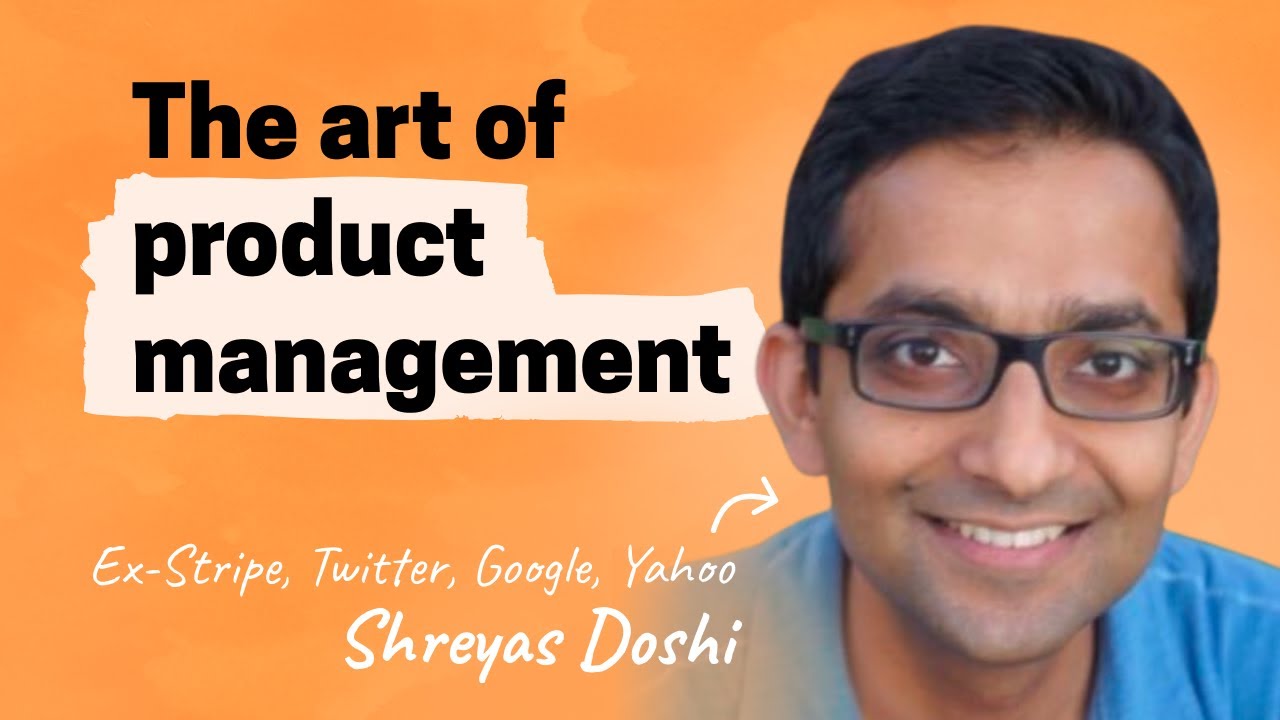
Lenny's Podcast: Product | Career | Growth
Shreyas Doshi on pre-mortems, LNO task selection and impact, execution and optics. Selected coverage omits his background and early-Google overwhelm/stress anecdote. Company examples and claimed effects are his account, unverified here. Untimed editorial topics are not video chapters.
Lenny's Podcast: Product | Career | Growth
Arielle Jackson on positioning-first naming, naming briefs, practical checks and purpose-positioning-personality. Selected coverage omits Square Cover, the later personality deep dive and sponsors. Naming stories are her account; legal availability needs separate checks. Untimed editorial topics are not video chapters.
Lenny's Podcast: Product | Career | Growth
Shishir Mehrotra describes named team rituals, independent input and clear decision roles. Selected third-party transcript coverage excludes health claims, hiring and reference checks, financial figures, product forecasts and sponsor reads. Company examples are his historical accounts, unverified here. Untimed editorial topics are not video chapters.
Lenny's Podcast: Product | Career | Growth
Crystal Widjaja on practical growth tests, conversion barriers and useful analytics. Selected third-party transcript coverage excludes social-graph tracking, small-sample statistical claims and closing recommendations. Company outcomes are her accounts, unverified here. Collect only appropriate permitted data. Untimed editorial topics are not video chapters.